Can Rubber Hose 1SC be used in printing applications?
As a supplier of Rubber Hose 1SC, I am often asked whether our product can be used in printing applications. This is a valid question, considering the specific requirements of the printing industry. In this blog post, I will explore the feasibility of using Rubber Hose 1SC in printing applications, examining its properties, advantages, and limitations.
Understanding Rubber Hose 1SC
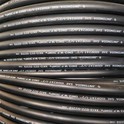
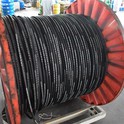
Before delving into its potential use in printing, it's essential to understand what Rubber Hose 1SC is. Rubber Hose 1SC is a type of hydraulic rubber hose designed for various industrial applications. It is a single-wire braided hose, which gives it certain characteristics that are important to consider when evaluating its suitability for printing.
The construction of Rubber Hose 1SC typically consists of an inner tube, a reinforcement layer, and an outer cover. The inner tube is usually made of synthetic rubber, which provides resistance to the fluids it will carry. The single-wire braid reinforcement layer adds strength and pressure resistance to the hose. The outer cover is also made of rubber, protecting the hose from external factors such as abrasion, weather, and chemicals.


Properties of Rubber Hose 1SC Relevant to Printing
- Chemical Resistance: In printing applications, hoses may come into contact with various inks, solvents, and cleaning agents. Rubber Hose 1SC can be engineered with an inner tube material that offers good chemical resistance. For example, nitrile rubber is a common choice for the inner tube, which has good resistance to many oils, fuels, and some solvents. However, it's important to match the chemical resistance of the hose with the specific chemicals used in the printing process.
- Flexibility: Printing equipment often requires hoses to be flexible to allow for easy installation and movement. Rubber Hose 1SC is relatively flexible due to its single-wire braid construction. This flexibility enables it to be routed around other components in the printing machinery without kinking or restricting the flow of fluids.
- Pressure Resistance: Printing processes may involve the transfer of fluids under pressure. Rubber Hose 1SC is designed to handle a certain range of pressures, which can be adjusted based on the specific requirements of the application. The single-wire braid reinforcement provides sufficient strength to withstand the pressure without bursting or leaking.
- Temperature Resistance: Printing operations can generate heat, and the hoses need to be able to withstand the temperature conditions. Rubber Hose 1SC can be formulated to have a suitable temperature range. The inner tube and outer cover materials can be selected to ensure that the hose can operate effectively within the temperature limits of the printing process.
Advantages of Using Rubber Hose 1SC in Printing Applications
- Cost-Effective: Compared to some other types of hoses, Rubber Hose 1SC is relatively cost-effective. This makes it an attractive option for printing companies looking to manage their costs without sacrificing performance.
- Availability: As a widely used type of hydraulic hose, Rubber Hose 1SC is readily available in the market. This means that printing companies can easily source the hoses they need in a timely manner, reducing downtime in case of hose replacement.
- Versatility: The properties of Rubber Hose 1SC make it suitable for a variety of printing processes. Whether it's for transferring inks, solvents, or other fluids in offset printing, digital printing, or screen printing, the hose can be adapted to meet the specific requirements of the application.
Limitations and Considerations
- High-Pressure Applications: While Rubber Hose 1SC can handle a certain range of pressures, in some high-pressure printing applications, it may not be sufficient. For example, in some continuous inkjet printing systems where high pressures are required to ensure accurate ink droplet formation, a more robust hose such as Rubber Hose 2SC may be needed. The double-wire braid construction of Rubber Hose 2SC provides higher pressure resistance.
- Specific Chemical Compatibility: As mentioned earlier, while nitrile rubber inner tubes in Rubber Hose 1SC offer good chemical resistance, there may be some specialized inks or solvents used in printing that require a different type of rubber material. It's crucial to test the hose with the specific chemicals in the printing process to ensure compatibility.
- Abrasion in Harsh Environments: In some printing facilities, the hoses may be exposed to abrasive materials or rough surfaces. Rubber Hose 1SC may not have the same level of abrasion resistance as some hoses designed specifically for harsh environments. For such cases, hoses with a more abrasion-resistant outer cover or additional protective layers may be necessary.
Comparison with Other Hoses in Printing Applications
In addition to Rubber Hose 2SC, another type of hose often considered in printing applications is Rubber Hose EN856. Rubber Hose EN856 has its own set of characteristics and advantages.
- Pressure Rating: Rubber Hose EN856 generally has a different pressure rating system compared to Rubber Hose 1SC. Depending on the specific requirements of the printing application, one may be more suitable in terms of pressure handling. For example, if the printing process requires a consistent and relatively high pressure, a hose from the EN856 series with the appropriate pressure rating may be a better choice.
- Flexibility and Bend Radius: The flexibility and bend radius of Rubber Hose EN856 can also differ from Rubber Hose 1SC. Printing equipment with tight spaces or complex routing requirements may benefit from a hose with a smaller bend radius. It's important to evaluate these factors based on the actual layout of the printing machinery.
Conclusion
In conclusion, Rubber Hose 1SC can be used in many printing applications, especially those that do not require extremely high pressures or have specific chemical compatibility requirements that are beyond the scope of its standard construction. Its cost-effectiveness, flexibility, and availability make it a viable option for a wide range of printing processes. However, it's important to carefully consider the specific requirements of the printing application, including pressure, chemical compatibility, and abrasion resistance. By doing so, printing companies can make an informed decision about whether Rubber Hose 1SC is the right choice for their needs.
If you are interested in exploring the use of Rubber Hose 1SC in your printing applications, I encourage you to contact us for more information. We can provide technical support, product samples, and discuss your specific requirements in detail to ensure that you get the most suitable hose for your printing operations.
References
- Industry standards related to hydraulic rubber hoses
- Technical literature on the properties of rubber materials used in hoses
- Case studies of hose applications in the printing industry