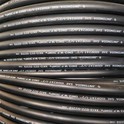
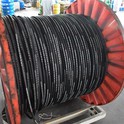
Hey there! As a supplier of Rubber Hose 2SN, I often get asked whether this type of hose can be used for transporting gas. It's a valid question, and in this blog, I'll dive deep into this topic to give you a clear answer.
First off, let's understand what Rubber Hose 2SN is. It's a type of hydraulic hose that's designed to handle high - pressure hydraulic applications. It's made up of an inner tube, reinforcement layers, and an outer cover. The inner tube is usually made of synthetic rubber, which provides resistance to the fluid flowing through it. The reinforcement layers, typically made of high - strength steel wire, give the hose its ability to withstand high pressures. And the outer cover protects the hose from environmental factors like abrasion, weather, and chemicals.
Now, when it comes to using Rubber Hose 2SN for gas transportation, there are several factors we need to consider.
Compatibility with Gas
The first thing is the compatibility of the hose material with the gas. Different gases have different chemical properties. For example, some gases are highly corrosive, while others are inert. Rubber Hose 2SN is designed mainly for hydraulic fluids, which have different chemical characteristics compared to gases.
If the gas is chemically reactive with the rubber material of the inner tube, it can cause the rubber to degrade over time. This degradation can lead to leaks, which are not only a safety hazard but can also result in the loss of the gas. For instance, gases like chlorine or ammonia are highly corrosive and can attack the rubber, causing it to swell, crack, or even dissolve. So, before using Rubber Hose 2SN for gas transportation, it's crucial to check the chemical compatibility of the hose material with the specific gas.
Pressure Rating
Another important factor is the pressure rating. Gas transportation often involves different pressure requirements compared to hydraulic applications. Rubber Hose 2SN has a specific pressure rating that is determined by its design and the materials used.
If the gas pressure exceeds the pressure rating of the hose, it can lead to catastrophic failure. The hose may burst, which can cause serious injury to people nearby and damage to the surrounding equipment. For example, in some industrial gas applications, the gas is stored and transported at very high pressures. If a Rubber Hose 2SN with a lower pressure rating is used, it simply won't be able to handle the pressure, and the consequences can be dire.
Temperature Resistance
Temperature also plays a significant role. Gases can expand or contract depending on the temperature. And different gases have different temperature - related behaviors. Rubber Hose 2SN has a certain temperature range within which it can operate safely.
If the gas temperature is outside this range, it can affect the performance of the hose. For example, at very low temperatures, the rubber can become brittle and more prone to cracking. On the other hand, at high temperatures, the rubber can soften, losing its structural integrity. This can lead to leaks or even a complete failure of the hose.
Safety Standards
There are also safety standards and regulations to consider. When it comes to gas transportation, there are strict safety standards in place to ensure the protection of people and the environment. Rubber Hose 2SN is designed and tested according to hydraulic hose standards, which may not be the same as the standards for gas transportation.


Using a hose that doesn't meet the gas transportation safety standards can put you at risk of legal issues and, more importantly, endanger the safety of your operations. So, it's essential to make sure that the hose you use for gas transportation complies with all the relevant safety regulations.
When Rubber Hose 2SN Might Be Suitable
However, there are some cases where Rubber Hose 2SN might be used for gas transportation. If the gas is non - corrosive, and the pressure and temperature requirements are within the hose's rated specifications, it could potentially work. For example, transporting a small amount of an inert gas like nitrogen at low pressure and normal temperature might be possible with a Rubber Hose 2SN. But even in these cases, it's still a good idea to consult with a professional to ensure safety.
Alternatives for Gas Transportation
If Rubber Hose 2SN isn't suitable for your gas transportation needs, there are other options available. For example, RUBBER Hose SAE R1AT is designed for specific applications and might be a better fit for certain gases. It has its own set of features and specifications that make it more suitable for gas handling in some cases.
Another option is RUBBER Hose SAE R9. This hose is known for its high - performance characteristics and could be a good choice for gas transportation, especially when dealing with more demanding applications.
And RUBBER Hose SAE R12 is also an alternative. It offers excellent pressure resistance and durability, which are important factors in gas transportation.
Conclusion
In conclusion, while Rubber Hose 2SN is a great product for hydraulic applications, using it for gas transportation is a more complex decision. You need to carefully consider the compatibility of the hose material with the gas, the pressure and temperature requirements, and the relevant safety standards.
If you're unsure whether Rubber Hose 2SN or any other hose is suitable for your gas transportation needs, don't hesitate to reach out. As a supplier, I have the expertise and experience to help you make the right choice. Whether you need advice on hose selection or want to discuss your specific requirements, I'm here to assist. Contact me, and we can start a conversation about finding the best solution for your gas transportation needs.
References
- "Handbook of Hydraulic Hoses" - A comprehensive guide on hydraulic hoses and their applications.
- Industry safety regulations for gas transportation.