Proper storage of a Hyd Hose Assy is crucial for maintaining its performance and extending its lifespan. As a supplier of Hyd Hose Assy, I understand the importance of providing customers with guidance on how to store these products correctly. In this blog post, I will share some essential tips on how to store a Hyd Hose Assy properly.
Understanding the Basics of Hyd Hose Assy
Before delving into the storage methods, it's important to understand what a Hyd Hose Assy is and its components. A Hyd Hose Assy, or hydraulic hose assembly, consists of a hydraulic hose and fittings. The hose is typically made of rubber or thermoplastic materials, which are designed to withstand high pressures and temperatures. The fittings are used to connect the hose to other components in the hydraulic system.
The quality of the Hyd Hose Assy can be affected by various factors, including environmental conditions, handling, and storage. Improper storage can lead to issues such as cracking, swelling, and degradation of the hose material, which can ultimately result in system failures and safety hazards.
Ideal Storage Conditions
To ensure the longevity and performance of a Hyd Hose Assy, it should be stored in an environment that meets the following criteria:
Temperature
The ideal temperature range for storing a Hyd Hose Assy is between -20°C and 40°C (-4°F and 104°F). Extreme temperatures can cause the hose material to become brittle or soft, which can lead to cracking or leakage. Avoid storing the hoses in areas that are exposed to direct sunlight or near heat sources, such as radiators or furnaces.
Humidity
High humidity can cause corrosion of the fittings and promote the growth of mold and mildew on the hose surface. The relative humidity in the storage area should be kept below 70%. If the storage area is prone to high humidity, consider using a dehumidifier to maintain the appropriate humidity level.
Light
Exposure to ultraviolet (UV) light can cause the hose material to degrade over time. Store the Hyd Hose Assy in a dark or shaded area to protect it from UV rays. If the hoses need to be stored outdoors, cover them with a UV-resistant tarp or use a storage container that provides protection from sunlight.


Ventilation
Proper ventilation is essential to prevent the accumulation of moisture and harmful gases in the storage area. Ensure that the storage area is well-ventilated to maintain a fresh and dry environment. Avoid storing the hoses in enclosed spaces without adequate ventilation, as this can lead to the growth of bacteria and fungi.
Storage Methods
Once you have identified an ideal storage environment, the next step is to choose the appropriate storage method for your Hyd Hose Assy. Here are some common storage methods:
Hanging
Hanging the Hyd Hose Assy is one of the most effective ways to store them. This method helps to prevent kinking and tangling of the hoses, which can damage the hose material. Use a sturdy rack or hook to hang the hoses vertically, making sure that they are not in contact with each other. Leave enough space between the hoses to allow for proper air circulation.
Coiling
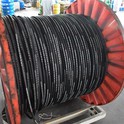
If hanging is not an option, you can coil the Hyd Hose Assy and store them on a flat surface. When coiling the hoses, make sure that the coils are not too tight, as this can cause internal stress and damage to the hose material. Use a coil rack or a storage container to keep the coils organized and prevent them from unraveling.
Stacking
Stacking the Hyd Hose Assy is another option, but it should be done with caution. Make sure that the hoses are stacked in a way that prevents them from being crushed or damaged. Use a pallet or a storage rack to support the weight of the hoses and keep them off the ground. Avoid stacking the hoses too high, as this can increase the risk of collapse.
Protection from Physical Damage
In addition to storing the Hyd Hose Assy in an appropriate environment and using the right storage method, it's important to protect them from physical damage. Here are some tips to help you prevent physical damage to your hoses:
Avoid Sharp Objects
Keep the Hyd Hose Assy away from sharp objects, such as knives, scissors, and metal edges. These objects can puncture or cut the hose material, which can lead to leakage and system failures. If the hoses need to be moved or handled, use a soft cloth or a protective sleeve to prevent them from coming into contact with sharp objects.
Prevent Kinking and Twisting
Kinking and twisting can cause internal damage to the hose material, which can reduce its lifespan and performance. When handling the hoses, make sure that they are not bent or twisted at sharp angles. If a kink or twist occurs, straighten the hose immediately to prevent further damage.
Protect the Fittings
The fittings are an important part of the Hyd Hose Assy, and they should be protected from damage. When storing the hoses, make sure that the fittings are covered with a protective cap or plug to prevent dirt, dust, and moisture from entering the hose. Avoid using the hoses without the proper fittings, as this can cause leakage and system failures.
Inspection and Maintenance
Regular inspection and maintenance are essential to ensure the safety and performance of your Hyd Hose Assy. Here are some tips to help you inspect and maintain your hoses:
Visual Inspection
Perform a visual inspection of the hoses before and after each use. Look for signs of damage, such as cracks, cuts, abrasions, and swelling. If you notice any damage, replace the hose immediately to prevent further problems.
Pressure Testing
Periodically perform a pressure test on the hoses to ensure that they are still in good working condition. The pressure test should be performed according to the manufacturer's specifications. If the hoses fail the pressure test, replace them immediately.
Cleaning
Clean the hoses regularly to remove dirt, dust, and other contaminants. Use a mild detergent and water to clean the hoses, and make sure that they are thoroughly dried before storing them. Avoid using harsh chemicals or abrasive cleaners, as these can damage the hose material.
Conclusion
Proper storage of a Hyd Hose Assy is essential for maintaining its performance and extending its lifespan. By following the tips outlined in this blog post, you can ensure that your hoses are stored in an environment that meets the ideal temperature, humidity, light, and ventilation conditions. You should also use the appropriate storage method and protect the hoses from physical damage. Regular inspection and maintenance are also important to ensure the safety and performance of your hoses.
If you are in the market for high-quality Hyd Hose Assy, we are a leading supplier that offers a wide range of products to meet your needs. Our hoses are made from the highest quality materials and are designed to withstand the most demanding applications. We also offer custom fabrication services to ensure that our hoses are tailored to your specific requirements.
For more information about our Rubber Hose To Pvc SAE R7 R8, Rubber Hose Pipe, and Industrial Rubber Hose, please contact us to discuss your requirements and get a quote. Our team of experts is always ready to assist you with your hydraulic hose needs.
References
- "Hydraulic Hose Assembly Installation and Maintenance Guide," Parker Hannifin Corporation.
- "Proper Storage and Handling of Hydraulic Hoses," Eaton Corporation.
- "Best Practices for Hydraulic Hose Storage," Gates Corporation.