Can Rubber Hose 4SP be used in water treatment plants?
As a supplier of Rubber Hose 4SP, I often get asked whether our product can be used in water treatment plants. This is a crucial question considering the unique requirements and harsh conditions present in such facilities. In this blog, I'll delve into the characteristics of Rubber Hose 4SP and analyze its suitability for water treatment plants.
Understanding Rubber Hose 4SP
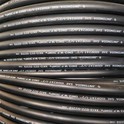
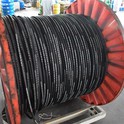
Rubber Hose 4SP is a type of hydraulic hose that is designed to handle high - pressure applications. It is constructed with multiple layers, typically including an inner tube, reinforcement layers, and an outer cover. The inner tube is usually made of synthetic rubber, which provides resistance to the fluid being transported. The reinforcement layers, often consisting of high - tensile steel wire spirals, give the hose its strength to withstand high pressures. The outer cover is also made of rubber, protecting the inner components from environmental factors such as abrasion, weather, and chemicals.
Requirements in Water Treatment Plants
Water treatment plants have a variety of processes that involve the transportation of different types of fluids. These fluids can range from raw water, which may contain sediment, debris, and various contaminants, to treated water that is ready for distribution. Additionally, chemicals such as chlorine, sulfuric acid, and sodium hydroxide are commonly used in the treatment process to disinfect, adjust pH levels, and remove impurities.
The hoses used in water treatment plants need to meet several key requirements. Firstly, they must be resistant to the chemicals used in the treatment process. Exposure to harsh chemicals can cause degradation of the hose material, leading to leaks and failures. Secondly, the hoses should be able to handle the pressure of the fluid flow. Water treatment processes often involve pumping water at high pressures, especially during filtration and distribution stages. Thirdly, the hoses need to be durable enough to withstand the abrasive nature of the fluids, especially if they contain sediment or other solid particles.
Suitability of Rubber Hose 4SP in Water Treatment Plants
Chemical Resistance
One of the most important aspects of using Rubber Hose 4SP in water treatment plants is its chemical resistance. The synthetic rubber used in the inner tube of Rubber Hose 4SP can be formulated to have good resistance to a wide range of chemicals commonly used in water treatment. For example, many of our Rubber Hose 4SP products are resistant to chlorine, which is a widely used disinfectant in water treatment. However, it is essential to note that the resistance may vary depending on the concentration of the chemical and the duration of exposure.
When it comes to more aggressive chemicals such as sulfuric acid and sodium hydroxide, the suitability of Rubber Hose 4SP needs to be carefully evaluated. In some cases, special formulations of the inner tube rubber can be developed to enhance the chemical resistance. Our technical team can work closely with water treatment plant operators to determine the most appropriate Rubber Hose 4SP product based on the specific chemical environment.
Pressure Handling
Rubber Hose 4SP is well - known for its high - pressure capabilities. The multiple layers of steel wire reinforcement give it the strength to withstand high - pressure fluid flow. In water treatment plants, where pumps are used to move water through various treatment processes, Rubber Hose 4SP can handle the pressure requirements. Whether it is the high - pressure filtration process or the distribution of treated water, our Rubber Hose 4SP can provide a reliable solution.


Abrasion Resistance
The presence of sediment and solid particles in raw water can cause significant abrasion to hoses. Rubber Hose 4SP has an outer cover that is designed to be resistant to abrasion. The rubber material used in the outer cover provides a protective layer that can withstand the rubbing and scraping caused by the movement of the hose and the flow of abrasive fluids. This makes it suitable for applications where the hose may come into contact with rough surfaces or where the fluid contains abrasive particles.
Comparing with Other Hoses
In the market, there are other types of rubber hoses that are also used in industrial applications. For example, Rubber Hose 2SC is a popular choice for some hydraulic applications. However, Rubber Hose 2SC may not be as suitable for water treatment plants as Rubber Hose 4SP. Rubber Hose 2SC is generally designed for lower - pressure applications and may not have the same level of chemical and abrasion resistance as Rubber Hose 4SP.
Another option is Rubber Hose 4SH. While Rubber Hose 4SH also has high - pressure capabilities, its design and performance characteristics may be more focused on other industrial applications rather than water treatment. The inner tube material and chemical resistance of Rubber Hose 4SH may not be optimized for the specific chemicals used in water treatment.
Rubber Hose EN856 is a standard - based hose that is widely used in hydraulic systems. It has its own set of performance requirements and characteristics. However, for water treatment plants, Rubber Hose 4SP may offer better chemical resistance and durability due to its specific design for high - pressure and harsh - environment applications.
Case Studies
We have had several successful installations of Rubber Hose 4SP in water treatment plants. In one case, a large - scale water treatment plant was experiencing frequent hose failures due to the high - pressure and abrasive nature of the raw water. After switching to our Rubber Hose 4SP, the plant saw a significant reduction in hose failures and maintenance costs. The chemical resistance of the hose also ensured that it could withstand the chlorine and other chemicals used in the treatment process.
In another case, a smaller water treatment facility was looking for a hose that could handle the high - pressure distribution of treated water. Our Rubber Hose 4SP was installed, and it provided a reliable and long - lasting solution. The plant operators were satisfied with the performance of the hose and its ability to meet the pressure requirements without any leaks or failures.
Considerations for Installation and Maintenance
When installing Rubber Hose 4SP in water treatment plants, it is important to follow the correct installation procedures. The hose should be properly secured and routed to avoid kinking and excessive bending, which can reduce its lifespan and performance. Regular maintenance is also crucial. Inspections should be carried out to check for signs of wear, damage, or chemical degradation. Any damaged hoses should be replaced immediately to prevent leaks and potential safety hazards.
Conclusion
In conclusion, Rubber Hose 4SP can be a suitable choice for water treatment plants. Its high - pressure capabilities, chemical resistance, and abrasion resistance make it well - suited for the various processes and conditions present in these facilities. However, it is important to carefully evaluate the specific requirements of each water treatment plant, including the types of chemicals used, the pressure levels, and the nature of the fluids being transported.
If you are a water treatment plant operator or are involved in the procurement of hoses for water treatment applications, I encourage you to contact us for more information. Our team of experts can provide detailed technical advice and help you select the most appropriate Rubber Hose 4SP product for your needs. We are committed to providing high - quality products and excellent customer service to ensure the success of your water treatment operations.
References
- "Hydraulic Hose Handbook" - Industry standard publication on hydraulic hoses.
- Case study reports from water treatment plants where Rubber Hose 4SP has been installed.
- Technical data sheets of Rubber Hose 4SP and other related rubber hoses.