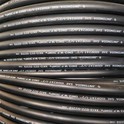
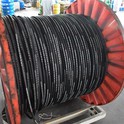
As a supplier of Arpico Rubber Hose, I often receive inquiries from customers about the structure and layer composition of our hoses. Understanding the number of layers in a rubber hose is crucial as it directly impacts the hose's performance, durability, and suitability for various applications. In this blog, I'll delve into the layer details of Arpico Rubber Hose and explain how each layer contributes to its functionality.
The Basics of Arpico Rubber Hose Layers
Arpico Rubber Hoses typically consist of multiple layers, each designed with a specific purpose. The number of layers can vary depending on the type and intended use of the hose. Generally, our hoses can have anywhere from two to four main layers, and in some specialized cases, even more.
Inner Layer
The inner layer, also known as the tube, is the first line of defense against the conveyed fluid or gas. It is in direct contact with the media flowing through the hose, so it needs to be resistant to the chemical properties of the substance. For example, if the hose is used to transport oil, the inner layer must be oil - resistant to prevent degradation over time.
The inner layer of Arpico Rubber Hose is made from high - quality synthetic rubber compounds. These compounds are engineered to withstand a wide range of temperatures, pressures, and chemical exposures. Whether it's a Rubber Vacuum Hose used in vacuum systems or a hose for transporting chemicals, the inner layer is formulated to ensure a long - lasting and leak - free performance.
Reinforcement Layer(s)
The reinforcement layer is what gives the hose its strength and pressure - bearing capacity. This is where the number of layers can vary significantly.
-
Single Reinforcement Layer: Some of our lighter - duty hoses, such as those used for low - pressure applications like garden hoses or simple air transfer, may have a single reinforcement layer. This layer is usually made of textile materials like polyester or nylon. These materials are strong, flexible, and can handle moderate pressures without excessive stretching.
-
Double Reinforcement Layer: For medium - pressure applications, our hoses often come with a double reinforcement layer. This provides additional strength and stability. The two layers can be made of different materials or a combination of materials. For instance, one layer might be a textile fabric for flexibility, and the other could be a high - strength steel wire for added pressure resistance. This combination allows the hose to withstand higher pressures while still maintaining its flexibility.
-
Triple or More Reinforcement Layers: In high - pressure applications, such as in hydraulic systems or industrial pipework, Arpico Rubber Hoses can have three or more reinforcement layers. These layers are carefully engineered to distribute the pressure evenly across the hose. The use of multiple layers ensures that the hose can withstand extreme pressures without bursting or leaking. Steel wire is commonly used in these layers due to its high tensile strength.
Outer Layer
The outer layer of the Arpico Rubber Hose serves as protection for the inner layers. It shields the hose from external factors such as abrasion, weather, and ozone. This layer is also made from high - quality rubber compounds, which are formulated to be resistant to UV rays, oxidation, and physical damage.
The outer layer can come in different colors and textures. Colored Rubber Hose is not only aesthetically pleasing but can also be used to differentiate between different types of hoses in a complex industrial setup. For example, a red hose might be used for a specific type of fluid, while a blue hose could be for another. The texture of the outer layer can also be adjusted. A smooth outer layer is easier to clean, while a textured outer layer provides better grip, especially in applications where handling is frequent.


The Impact of Layers on Hose Performance
The number and composition of layers in an Arpico Rubber Hose directly affect its performance in various ways.
Pressure Resistance
As mentioned earlier, the reinforcement layers play a crucial role in determining the hose's pressure resistance. A hose with more reinforcement layers can handle higher pressures. For example, a low - pressure Low Side Hose with a single reinforcement layer might be suitable for applications with pressures up to 50 psi, while a high - pressure hydraulic hose with multiple steel wire reinforcement layers can withstand pressures of 3000 psi or more.
Flexibility
The number of layers can also impact the hose's flexibility. Generally, a hose with fewer layers is more flexible. Single - layer or double - layer hoses are often more suitable for applications where the hose needs to be bent or maneuvered frequently. On the other hand, hoses with multiple layers may be stiffer but offer better pressure resistance and durability.
Chemical Resistance
The inner layer is primarily responsible for the hose's chemical resistance. However, the outer layer can also provide some secondary protection. For example, if the outer layer is resistant to certain chemicals, it can prevent external spills from reaching the inner layers and potentially causing damage.
Choosing the Right Arpico Rubber Hose
When selecting an Arpico Rubber Hose, it's essential to consider the specific requirements of your application. Here are some factors to keep in mind:
- Pressure Requirements: If you need to handle high pressures, choose a hose with multiple reinforcement layers. For low - pressure applications, a single or double - layer hose may be sufficient.
- Chemical Compatibility: Make sure the inner layer of the hose is compatible with the fluid or gas you'll be transporting.
- Environmental Conditions: Consider the external environment where the hose will be used. If it will be exposed to sunlight, abrasion, or harsh chemicals, choose a hose with a durable outer layer.
Contact Us for Your Rubber Hose Needs
If you're interested in purchasing Arpico Rubber Hoses, we're here to help you find the perfect solution. Our team of experts can provide you with detailed information about the layer composition, performance, and suitability of our hoses for your specific application. Whether you need a simple garden hose or a high - pressure industrial hose, we have the products to meet your needs.
Don't hesitate to reach out to us to start a conversation about your requirements. We'll work closely with you to ensure you get the best quality Arpico Rubber Hose at a competitive price. Let's discuss how we can fulfill your rubber hose needs and contribute to the success of your projects.
References
- Rubber Hose Handbook: Principles and Practices in Hose Manufacturing and Application.
- Industry Standards for Rubber Hoses and Tubing.