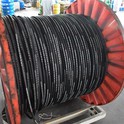
Can Rubber Hose be cut to size?
As a supplier of rubber hoses, one of the most common questions I receive from customers is whether rubber hoses can be cut to size. The answer is a resounding yes, but there are several important factors to consider when doing so.
Understanding the Basics of Rubber Hoses
Rubber hoses are versatile components used in a wide range of industries, including automotive, manufacturing, agriculture, and construction. They are designed to transport fluids, gases, and other materials from one point to another. Rubber hoses come in various sizes, lengths, and specifications to meet different application requirements.
There are different types of rubber hoses available in the market, each with its own unique properties and applications. For instance, Wear-resistant Rubber Hose is specifically designed to withstand abrasion and is commonly used in industries where the hose is likely to come into contact with rough surfaces. Rubber Pipe For Water is used for transporting water in various applications, such as gardening, plumbing, and industrial water supply systems. Rubber Petrol Gasoline Hose is engineered to handle the transfer of petrol and gasoline safely and efficiently.
Cutting Rubber Hoses to Size
Cutting a rubber hose to size is a relatively straightforward process, but it requires the right tools and techniques to ensure a clean and precise cut. Here are the steps involved in cutting a rubber hose:

Step 1: Measure the Required Length
The first step is to determine the exact length of the hose you need. Use a measuring tape or a ruler to measure the distance between the two connection points where the hose will be installed. Make sure to add a little extra length to account for any bends or curves in the hose route.
Step 2: Mark the Cutting Point
Once you have measured the required length, mark the cutting point on the hose using a permanent marker or a piece of tape. This will help you to make an accurate cut.
Step 3: Choose the Right Cutting Tool
There are several tools that can be used to cut rubber hoses, including sharp utility knives, hose cutters, and saws. The choice of tool depends on the thickness and type of the rubber hose. For thin-walled hoses, a sharp utility knife may be sufficient. However, for thicker hoses, a hose cutter or a saw may be more appropriate.
Step 4: Make the Cut
Hold the hose firmly in place and use the chosen cutting tool to make a clean, straight cut at the marked point. Apply even pressure to ensure a smooth cut. If using a saw, make sure to use a fine-toothed blade to prevent the rubber from fraying.
Step 5: Finish the Cut
After making the cut, use a file or sandpaper to smooth the edges of the hose. This will help to prevent any leaks or damage to the connections.
Factors to Consider When Cutting Rubber Hoses
While cutting a rubber hose to size is a simple process, there are several factors that need to be considered to ensure the proper functioning and longevity of the hose.
Hose Construction
Rubber hoses can have different constructions, such as single-layer, multi-layer, or reinforced. The construction of the hose can affect the cutting process and the performance of the hose after cutting. For example, reinforced hoses may require more powerful cutting tools and may be more difficult to cut cleanly.
Hose Material
The type of rubber material used in the hose can also impact the cutting process. Some rubber materials are more flexible and easier to cut, while others are more rigid and may require special cutting techniques. Additionally, certain rubber materials may be more prone to fraying or cracking during cutting.
Application Requirements
The application in which the hose will be used is another important factor to consider. For example, if the hose will be used in a high-pressure application, it is important to ensure that the cut edges are properly sealed to prevent leaks. In some cases, additional reinforcement or sealing may be required after cutting.
Compatibility
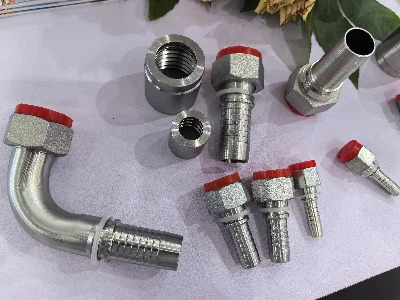
When cutting a rubber hose, it is crucial to ensure that the cut hose is compatible with the existing system or equipment. This includes considering the size, shape, and connection type of the hose. Using an incompatible hose can lead to leaks, poor performance, and even safety hazards.
Benefits of Cutting Rubber Hoses to Size
Cutting rubber hoses to size offers several benefits for both customers and suppliers.
Customization
One of the main advantages of cutting rubber hoses to size is the ability to customize the hose to fit specific application requirements. This allows customers to get the exact length and configuration they need, which can improve the efficiency and performance of their systems.
Cost Savings
By cutting the hose to the exact length required, customers can avoid wasting excess hose material. This can result in cost savings, especially for large-scale projects.
Easier Installation
A properly cut hose is easier to install, as it fits perfectly into the intended space. This can reduce the installation time and effort, as well as the risk of installation errors.
Quality Assurance
As a rubber hose supplier, we understand the importance of providing high-quality products. When cutting rubber hoses to size, we ensure that all the necessary precautions are taken to maintain the integrity and performance of the hose. Our experienced technicians use the latest cutting tools and techniques to ensure clean and precise cuts. We also conduct thorough quality checks to ensure that the cut hoses meet the highest standards of quality and safety.
Conclusion
In conclusion, rubber hoses can be cut to size, and it is a relatively simple process that can offer many benefits. However, it is important to consider the factors mentioned above to ensure the proper functioning and longevity of the hose. As a reliable rubber hose supplier, we are committed to providing our customers with high-quality hoses that are cut to their exact specifications. If you have any questions or need assistance with cutting rubber hoses, please feel free to contact us. We would be happy to help you find the right solution for your needs.
References
- Industry standards and guidelines for rubber hoses
- Technical literature from rubber hose manufacturers
- Experience and knowledge gained from working in the rubber hose supply industry