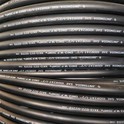
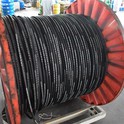
Hey there! As a supplier of RUBBER Hose SAE R17, I often get asked if this type of hose has good electrical insulation properties. So, I thought I'd write this blog to share some insights on the topic.
First off, let's talk a bit about what RUBBER Hose SAE R17 is. It's a type of hydraulic rubber hose that's designed to meet the standards set by the Society of Automotive Engineers (SAE). These hoses are commonly used in various hydraulic systems, where they need to withstand high pressures and transfer fluids effectively.


Now, onto the main question: does RUBBER Hose SAE R17 have good electrical insulation properties? Well, the answer isn't a straightforward yes or no. It depends on a few factors.
Material Composition
The electrical insulation properties of a rubber hose are largely determined by the materials used in its construction. RUBBER Hose SAE R17 is typically made from a combination of synthetic rubber compounds. These compounds are chosen for their ability to resist abrasion, heat, and chemicals, as well as to provide flexibility and strength.
Some rubber materials are inherently better insulators than others. For example, materials like EPDM (Ethylene Propylene Diene Monomer) rubber are known for their good electrical insulation properties. They have a high dielectric strength, which means they can withstand high voltages without breaking down and allowing electricity to flow through.
However, not all RUBBER Hose SAE R17 hoses are made with the same rubber compounds. Some manufacturers might use different blends or additives to achieve specific performance characteristics. So, it's important to check with the manufacturer or supplier to find out exactly what materials are used in the hose you're considering.
Reinforcement Layers
In addition to the rubber compound, the reinforcement layers in the hose can also affect its electrical insulation. RUBBER Hose SAE R17 usually has multiple layers of reinforcement, such as braided or spiral-wound steel wire.
Steel is a conductor of electricity, so if the reinforcement layers are exposed or if there are any breaks in the rubber covering, it could potentially compromise the electrical insulation of the hose. That's why it's crucial to ensure that the rubber outer layer is intact and properly bonded to the reinforcement layers.
Testing and Certification
To determine the electrical insulation properties of a RUBBER Hose SAE R17, it's important to look for hoses that have been tested and certified. There are various standards and tests that can be used to evaluate the electrical performance of rubber hoses, such as the ASTM D149 standard for dielectric strength.
A hose that has been tested and meets these standards is more likely to have good electrical insulation properties. You can ask the supplier for test reports or certification documents to verify the hose's electrical performance.
Comparing with Other SAE Hoses
It's also interesting to compare the electrical insulation properties of RUBBER Hose SAE R17 with other SAE hoses. For example, RUBBER Hose SAE R15 and RUBBER Hose SAE R16 are also commonly used hydraulic hoses.
Each of these hoses has its own unique characteristics and performance requirements. While they may all be made from rubber and have some level of electrical insulation, the specific properties can vary. RUBBER Hose SAE R9 is another type of hose that's often used in different applications, and its electrical insulation properties may also differ from those of SAE R17.
Applications and Considerations
When it comes to applications, the electrical insulation properties of RUBBER Hose SAE R17 can be crucial in certain situations. For example, if the hose is used in an environment where there's a risk of electrical contact, such as near electrical equipment or in a high-voltage area, good electrical insulation is essential to prevent electrical hazards.
On the other hand, if the hose is used in a non-electrical application, like a simple hydraulic system in a machinery where there's no risk of electrical interference, the electrical insulation properties may not be as critical.
Maintenance and Inspection
To ensure that the RUBBER Hose SAE R17 maintains its electrical insulation properties over time, proper maintenance and inspection are necessary. Regularly check the hose for any signs of damage, such as cuts, abrasions, or cracks in the rubber outer layer.
If you notice any damage, it's important to replace the hose immediately to prevent any potential electrical problems. Also, make sure to follow the manufacturer's recommendations for installation, storage, and use of the hose.
Conclusion
In conclusion, whether RUBBER Hose SAE R17 has good electrical insulation properties depends on several factors, including the material composition, reinforcement layers, testing, and certification. While some hoses may have excellent electrical insulation, others may not perform as well.
If you're in need of a RUBBER Hose SAE R17 with specific electrical insulation requirements, it's important to work with a reliable supplier who can provide you with detailed information and products that meet your needs. Don't hesitate to reach out to us if you have any questions or if you're interested in discussing your RUBBER Hose SAE R17 requirements. We're here to help you make the right choice for your application.
References
- ASTM D149 - Standard Test Method for Dielectric Breakdown Voltage and Dielectric Strength of Solid Electrical Insulating Materials at Commercial Power Frequencies.
- Society of Automotive Engineers (SAE) standards for hydraulic rubber hoses.