Can Rubber Hose be used in a mining environment?
Mining operations are known for their harsh and demanding conditions. From extreme temperatures to abrasive materials and high - pressure applications, the equipment used in mining must be robust and reliable. As a rubber hose supplier, I often get asked whether rubber hoses can be suitable for use in a mining environment. In this blog, we'll explore the various aspects to determine the viability of rubber hoses in the challenging world of mining.
1. The Nature of Mining Environments
Mining environments are a complex mix of factors that put equipment to the test. Firstly, there are the physical elements. The presence of large amounts of dust, rocks, and other abrasive materials is a constant challenge. These particles can quickly wear down the surface of any component they come into contact with. Additionally, the heavy machinery used in mining often operates at high pressures, and there are also issues related to temperature variations, which can range from extremely cold in underground mines to hot and humid in surface mines.
Chemically, mining operations may expose equipment to a variety of substances. Acidic or alkaline solutions might be present, especially in mines where ore processing involves chemical reactions. Corrosion is a major concern in such environments, as it can weaken the structure of materials over time.
2. Advantages of Rubber Hoses in Mining
Despite the harshness of mining environments, rubber hoses have several advantages that make them a contender for use in this sector.
Flexibility
One of the most significant advantages of rubber hoses is their flexibility. In a mining site, there are often irregularly shaped spaces and moving machinery. A flexible rubber hose can be easily routed around obstacles, which is crucial when setting up fluid transfer systems. For example, in a large open - pit mine, where conveyor belts and other equipment are constantly in motion, a rubber hose can adapt to the changing positions and angles without the need for complex rigid pipe fittings.
Resistance to Abrasion
Modern rubber hoses can be engineered to have excellent abrasion resistance. By incorporating special additives and reinforcements into the rubber compound, the hoses can withstand the constant rubbing and scraping against sharp rocks and other rough surfaces. This helps to extend the lifespan of the hoses and reduces the frequency of replacements, which is especially important in a mining operation where downtime can be extremely costly.

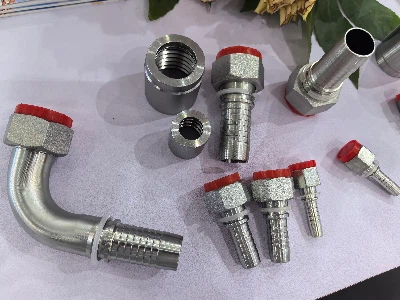
Chemical Resistance
Rubber can be formulated to resist a wide range of chemicals. Depending on the specific requirements of the mining process, hoses can be made from materials that are resistant to acids, alkalis, and other corrosive substances. For instance, in a copper mine where acidic leaching solutions are used to extract the metal from the ore, a chemical - resistant rubber hose can be used to transfer these solutions safely without the risk of corrosion.
Shock Absorption
Mining equipment often generates a lot of vibrations and sudden shocks. Rubber hoses have inherent shock - absorbing properties, which can help protect the overall fluid transfer system. The hose's ability to absorb shocks reduces the stress on connected components, such as pumps and valves, and can prevent premature failures due to mechanical stress.
3. Types of Rubber Hoses Suitable for Mining
There are several types of rubber hoses that are well - suited for different mining applications. For fuel transfer, a Rubber Petrol Gasoline Hose can be used. These hoses are designed to handle the transfer of gasoline, diesel, and other fuels safely. They are often reinforced with multiple layers to prevent leaks and are resistant to the solvents present in fuels.
For hot water systems, a Rubber Hose Pipe for Hot Water is an ideal choice. In mining operations, hot water may be used for various purposes, such as in heating systems or for cleaning equipment. These hoses are made from materials that can withstand high temperatures without degrading.
When it comes to water transfer, a Rubber Pipe For Water is commonly used. Whether it's for supplying water to drilling equipment or for dust suppression on the mine site, these hoses are durable and reliable. They can be designed to handle different pressures, making them suitable for a variety of water - related applications.
4. Challenges and Limitations
While rubber hoses offer many advantages in a mining environment, there are also challenges and limitations that need to be considered.
Temperature Limitations
Although rubber hoses can be engineered for certain temperature ranges, extreme temperatures can still pose a problem. In very cold conditions, the rubber may become brittle and lose its flexibility, increasing the risk of cracking. On the other hand, in extremely hot environments, the rubber may start to degrade and lose its mechanical properties. Therefore, it's essential to choose the right type of rubber and reinforcement materials based on the specific temperature conditions in the mine.
Ultraviolet (UV) Degradation
For surface mining operations, exposure to sunlight can cause UV degradation of rubber hoses. Over time, the UV rays can break down the rubber molecules, leading to a loss of strength and flexibility. To mitigate this issue, hoses can be treated with special UV - resistant coatings or additives.
Fire Hazard
Some mining operations involve the use of open flames or high - temperature equipment, which can pose a fire hazard to rubber hoses. While there are fire - resistant rubber formulations available, they may not be suitable for all applications due to factors such as cost and performance trade - offs.
5. Maintenance and Inspection
To ensure the safe and efficient use of rubber hoses in a mining environment, proper maintenance and inspection are crucial. Regular visual inspections should be carried out to check for signs of wear, such as abrasions, cuts, and bulges. The connections between the hoses and other components should also be inspected for leaks.
Pressure testing can be performed periodically to ensure that the hoses are operating within their specified pressure limits. Additionally, the hoses should be cleaned regularly to remove any dirt, dust, or chemical residues that could potentially damage the rubber.
6. Conclusion and Call to Action
In conclusion, rubber hoses can indeed be used in a mining environment, provided that they are carefully selected, installed, and maintained. Their flexibility, abrasion resistance, chemical resistance, and shock - absorbing properties make them a valuable option for various mining applications.
If you're involved in a mining operation and are considering using rubber hoses, we're here to help. As a trusted rubber hose supplier, we have a wide range of hoses suitable for different mining needs. Our team of experts can assist you in choosing the right hose for your specific requirements, taking into account factors such as temperature, pressure, and chemical exposure. Contact us for a detailed discussion about your procurement needs and let's work together to find the best solutions for your mining operations.
References
- "Mining Equipment Handbook", published by a well - known industrial publisher, providing in - depth information about the different types of equipment used in mining and their operating requirements.
- "Rubber Technology Handbook", which details the properties, formulation, and applications of rubber products, including hoses.
- Industry reports from leading mining research institutions, which offer insights into the challenges and best practices in using equipment in mining environments.