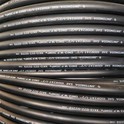
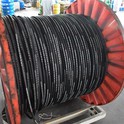
Hey there! As a supplier of RUBBER Hose SAE R12, I often get asked if this type of hose can be used in corrosive environments. Well, let's dive right into it and find out.
First off, let's talk a bit about what RUBBER Hose SAE R12 is. It's a high - pressure hydraulic hose that meets the SAE J517 standard. This standard sets the guidelines for the construction, performance, and safety of hydraulic hoses. RUBBER Hose SAE R12 is designed to handle high - pressure hydraulic applications, making it a popular choice in industries like construction, agriculture, and manufacturing.
Now, let's get to the main question: Can it be used in corrosive environments? The answer isn't a simple yes or no. It depends on a few factors.
Construction of RUBBER Hose SAE R12
The RUBBER Hose SAE R12 typically consists of an inner tube, reinforcement layers, and an outer cover. The inner tube is usually made of synthetic rubber, which is designed to be compatible with the hydraulic fluids it will carry. The reinforcement layers, often made of high - strength steel wire, give the hose its pressure - handling capabilities. The outer cover, which is also made of rubber, protects the inner components from damage.
When it comes to corrosive environments, the outer cover plays a crucial role. A standard outer cover on RUBBER Hose SAE R12 is made of a general - purpose rubber compound. This compound offers good resistance to abrasion, weathering, and some mild chemicals. However, in highly corrosive environments, it might not be enough.
Types of Corrosive Environments
There are different types of corrosive environments, and each poses a different challenge to the hose.
Chemical Corrosion
If the hose is exposed to strong acids, alkalis, or other corrosive chemicals, the standard outer cover may start to degrade. For example, acids can react with the rubber in the outer cover, causing it to swell, crack, or lose its physical properties. In such cases, a special - purpose outer cover might be required. Some manufacturers offer hoses with outer covers made of materials like chloroprene or nitrile rubber, which have better chemical resistance.
Saltwater Corrosion
In marine or coastal applications, saltwater can be a major corrosive agent. Saltwater contains ions that can accelerate the corrosion process. The steel wire reinforcement in the RUBBER Hose SAE R12 can be vulnerable to saltwater corrosion. Over time, the corrosion of the reinforcement can weaken the hose, leading to potential failure. To combat this, hoses can be treated with anti - corrosion coatings on the reinforcement or have an outer cover that provides a better barrier against saltwater.


Oxidation
Oxygen in the air can also cause oxidation of the rubber components in the hose. High temperatures and exposure to sunlight can accelerate this process. Oxidation can make the rubber hard and brittle, reducing its flexibility and durability. In environments with high levels of oxidation, hoses may need to be protected with UV - resistant outer covers.
Alternatives and Considerations
If the RUBBER Hose SAE R12 isn't suitable for a particular corrosive environment, there are other options available. For example, the RUBBER Hose SAE R1AT is another type of hydraulic hose that might offer better resistance in certain situations. It has a different construction and material composition, which can make it more suitable for specific corrosive conditions.
Also, the RUBBER Hose SAE R15 is a high - performance hose that may be a better fit for extremely harsh environments. It's designed to handle high pressures and has enhanced resistance to various factors, including corrosion.
When deciding whether to use RUBBER Hose SAE R12 in a corrosive environment, it's important to consider the following:
- Type and Concentration of Corrosive Agents: Know exactly what chemicals or substances the hose will be exposed to and their concentrations. This will help in determining the level of resistance required.
- Temperature and Pressure: High temperatures and pressures can exacerbate the effects of corrosion. Make sure the hose can handle the operating conditions in terms of both temperature and pressure.
- Duration of Exposure: A short - term exposure to a corrosive agent may not cause as much damage as a long - term exposure. Consider how long the hose will be in the corrosive environment.
Custom Solutions
As a supplier of RUBBER Hose SAE R12, we understand that every application is unique. That's why we offer custom - made solutions for customers who need hoses for corrosive environments. We can work with you to select the right materials for the inner tube, reinforcement, and outer cover based on your specific requirements.
For example, if you need a hose for an application where it will be exposed to a particular chemical, we can choose an outer cover material that has high resistance to that chemical. We can also apply special coatings or treatments to the reinforcement to prevent corrosion.
Conclusion
So, can RUBBER Hose SAE R12 be used in corrosive environments? It's possible, but it depends on the specific conditions. In mild corrosive environments with proper care and selection of the right hose, it can work just fine. However, in highly corrosive environments, modifications or alternative hoses may be necessary.
If you're facing a situation where you need a hose for a corrosive environment, don't hesitate to reach out. We're here to help you make the right choice. Whether it's a custom - made RUBBER Hose SAE R12 or an alternative like RUBBER Hose SAE R1AT or RUBBER Hose SAE R15, we've got you covered. Let's have a chat and figure out the best solution for your needs.
References
- SAE J517 Standard for Hydraulic Rubber Hoses
- Manufacturer's Technical Data Sheets for RUBBER Hose SAE R12, R1AT, and R15
- Industry Research on Corrosion Resistance of Hydraulic Hoses