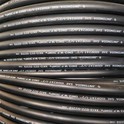
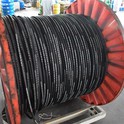
Cleaning a low pressure hose is a crucial maintenance task that ensures its optimal performance and longevity. As a supplier of low pressure hoses, I understand the importance of providing clear guidance on how to clean these essential components. In this blog post, I will share a step-by-step guide on how to clean a low pressure hose effectively.
Why Cleaning Low Pressure Hoses Matters
Low pressure hoses are used in a variety of applications, including propane delivery, air supply, and water transfer. Over time, these hoses can accumulate dirt, debris, and other contaminants that can affect their performance. Cleaning your low pressure hose regularly helps to:
- Prevent Blockages: Dirt and debris can build up inside the hose, causing blockages that restrict the flow of fluid or gas. Regular cleaning helps to keep the hose clear and ensures smooth operation.
- Extend Lifespan: By removing contaminants, you can prevent corrosion and damage to the hose material, which can extend its lifespan and save you money in the long run.
- Maintain Safety: A clean hose is less likely to develop leaks or other safety hazards. Regular cleaning helps to ensure that your low pressure hose is in good working condition and safe to use.
Step-by-Step Guide to Cleaning a Low Pressure Hose
Step 1: Gather Your Supplies
Before you start cleaning your low pressure hose, you will need to gather the following supplies:
- Mild Detergent: Choose a mild detergent that is safe for use on the hose material. Avoid using harsh chemicals or abrasive cleaners, as these can damage the hose.
- Soft Brush: A soft brush, such as a toothbrush or a sponge, can be used to gently scrub the inside and outside of the hose.
- Bucket of Water: Fill a bucket with warm water to use for rinsing the hose.
- Compressed Air: If available, compressed air can be used to blow out any remaining debris from the hose.
Step 2: Disconnect the Hose
Before you start cleaning the hose, make sure it is disconnected from any equipment or appliances. This will prevent any damage to the equipment and ensure your safety.
Step 3: Inspect the Hose
Before you start cleaning the hose, inspect it for any signs of damage or wear. Look for cracks, leaks, or other signs of deterioration. If you notice any damage, replace the hose immediately to prevent further problems.

Step 4: Clean the Outside of the Hose
To clean the outside of the hose, mix a small amount of mild detergent with warm water in a bucket. Dip a soft brush or sponge into the soapy water and gently scrub the outside of the hose. Pay special attention to any areas that are particularly dirty or greasy. Rinse the hose thoroughly with clean water to remove any soap residue.
Step 5: Clean the Inside of the Hose
To clean the inside of the hose, fill a bucket with warm water and add a small amount of mild detergent. Insert one end of the hose into the bucket and use a soft brush or sponge to gently scrub the inside of the hose. You can also use a hose cleaning wand or a long brush to reach the deeper parts of the hose. Rinse the hose thoroughly with clean water to remove any soap residue.

Step 6: Flush the Hose with Compressed Air
If available, use compressed air to blow out any remaining debris from the hose. This will help to ensure that the hose is completely clean and free of any blockages. Make sure to wear safety glasses and gloves when using compressed air to prevent any injuries.
Step 7: Dry the Hose
After cleaning the hose, allow it to dry completely before reconnecting it to any equipment or appliances. You can hang the hose up to dry or use a clean towel to pat it dry. Make sure the hose is completely dry before storing it to prevent the growth of mold or mildew.
Tips for Cleaning Specific Types of Low Pressure Hoses
Propane Low Pressure Hose
Propane low pressure hoses are commonly used in outdoor grills, heaters, and other propane-powered appliances. When cleaning a propane low pressure hose, it is important to follow these additional tips:
- Use a Propane-Safe Cleaner: Make sure to use a cleaner that is specifically designed for use on propane hoses. Avoid using any cleaners that contain ammonia or other chemicals that can react with propane.
- Inspect the Hose for Leaks: Before reconnecting the hose to the propane appliance, make sure to inspect it for any signs of leaks. You can use a propane leak detector or a soapy water solution to check for leaks.
- Store the Hose Properly: When not in use, store the propane low pressure hose in a cool, dry place away from direct sunlight and heat sources. This will help to prevent the hose from deteriorating and ensure its longevity.
Colored Rubber Hose
Colored rubber hoses are often used in decorative or specialty applications. When cleaning a colored rubber hose, it is important to follow these additional tips:

- Test the Cleaner on a Small Area: Before using any cleaner on the colored rubber hose, test it on a small, inconspicuous area to make sure it does not cause any discoloration or damage.
- Avoid Using Abrasive Cleaners: Abrasive cleaners can scratch or damage the surface of the colored rubber hose. Use a soft brush or sponge and a mild detergent to clean the hose.
- Rinse the Hose Thoroughly: Make sure to rinse the colored rubber hose thoroughly with clean water to remove any soap residue. This will help to prevent any discoloration or damage to the hose.
Low Pressure Hose Fittings
Low pressure hose fittings are used to connect the hose to other equipment or appliances. When cleaning low pressure hose fittings, it is important to follow these additional tips:
- Disconnect the Fittings: Before cleaning the hose fittings, make sure to disconnect them from the hose and any other equipment. This will make it easier to clean the fittings and prevent any damage to the hose.
- Use a Fitting Cleaner: You can use a fitting cleaner or a mild detergent to clean the hose fittings. Make sure to follow the manufacturer's instructions when using a fitting cleaner.
- Inspect the Fittings for Damage: Before reconnecting the hose fittings, make sure to inspect them for any signs of damage or wear. Look for cracks, leaks, or other signs of deterioration. If you notice any damage, replace the fittings immediately to prevent further problems.
Conclusion
Cleaning a low pressure hose is a simple but important maintenance task that can help to ensure its optimal performance and longevity. By following the steps outlined in this blog post and using the tips provided, you can keep your low pressure hose clean and in good working condition. If you have any questions or need further assistance with cleaning your low pressure hose, please feel free to contact us. We are a leading supplier of low pressure hoses and can provide you with the products and support you need.
References
- "Hose Maintenance and Cleaning Guide." Industrial Hose Supply.
- "How to Clean a Propane Hose." The Spruce.
- "Cleaning and Maintaining Rubber Hoses." Rubber Hose Manufacturer.