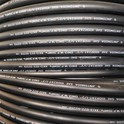
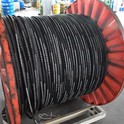
Hey there! As a supplier of rubber engine hoses, I've seen firsthand how different environments can impact these crucial components. Today, I want to dive into a topic that's super relevant for those in the marine world: how saltwater affects a rubber engine hose in a marine environment.
First off, let's talk about what makes saltwater such a unique and potentially damaging substance. Saltwater is a highly corrosive medium. It contains a variety of salts, mainly sodium chloride, but also other minerals and chemicals. When a rubber engine hose is exposed to saltwater, several things can happen.
One of the most immediate effects is swelling. Rubber is a porous material to some extent, and saltwater can seep into its structure. The salts in the water can cause the rubber to absorb moisture, leading to an increase in volume. This swelling might not seem like a big deal at first, but over time, it can put stress on the hose. The increased size can make it fit less snugly in its connections, which can lead to leaks. And in a marine engine, a leaky hose can spell big trouble. It could result in the loss of coolant, fuel, or other vital fluids, which can ultimately lead to engine failure.
Another issue is degradation. The chemicals in saltwater can react with the rubber polymers. Oxidation is a common problem. The oxygen in the water, combined with the salts, can break down the molecular bonds in the rubber. This weakens the hose, making it more prone to cracking and splitting. Cracks in a rubber engine hose are a serious concern. They can allow contaminants to enter the system, such as seawater itself, which can further corrode the engine's internal components. And if a crack becomes large enough, it can cause a sudden and complete failure of the hose, which can be extremely dangerous, especially when you're out at sea.
UV radiation also plays a role in the degradation process. In a marine environment, the sun's rays are often more intense, and they can penetrate the water and reach the rubber hoses. UV rays can cause the rubber to become brittle and lose its flexibility. This brittleness makes the hose more likely to break under stress, such as when the engine vibrates or when there are changes in pressure.
Now, let's talk about how we can mitigate these problems. At our company, we offer a range of high - quality rubber engine hoses that are designed to withstand the harsh marine environment. For example, our Wear-resistant Rubber Hose is made from special rubber compounds that are more resistant to abrasion and chemical attack. These hoses are reinforced with strong fibers that help to maintain their shape and integrity even when exposed to saltwater and other harsh conditions.
Our Rubber Hose Pipe for Hot Water is another great option for marine engines. It's designed to handle high temperatures, which are common in engine cooling systems. The rubber used in these hoses has been formulated to resist the effects of saltwater corrosion, so it can last longer in a marine environment.
And for those engines that run on petrol or gasoline, our Rubber Petrol Gasoline Hose is a top - choice. It's made to be resistant to the chemicals in fuel, as well as the corrosive effects of saltwater. This ensures that the fuel is delivered safely and efficiently to the engine, without the risk of leaks or degradation.
To keep your rubber engine hoses in good condition in a marine environment, regular maintenance is key. You should inspect the hoses regularly for signs of swelling, cracking, or other damage. Look for any discoloration, as this can be a sign of chemical degradation. If you notice any issues, it's important to replace the hose as soon as possible.
Proper cleaning is also important. After each use, rinse the hoses with fresh water to remove any salt and debris. This can help to slow down the corrosion process. You can also apply a protective coating to the hoses. There are special rubber protectants available on the market that can help to prevent UV damage and chemical degradation.


In addition to these measures, it's important to install the hoses correctly. Make sure they are properly secured and that there is no excessive tension or kinking. A well - installed hose is less likely to be damaged by normal engine vibrations and movements.
If you're in the market for high - quality rubber engine hoses for your marine applications, we're here to help. Our team has years of experience in the industry, and we understand the unique challenges that come with using rubber hoses in a marine environment. We can provide you with the right hoses for your specific needs, whether you're looking for a hose for a small pleasure boat or a large commercial vessel.
Contact us today to discuss your requirements and get a quote. We're committed to providing the best products and services to our customers. Don't let saltwater and other marine hazards damage your engine's hoses. Invest in our high - quality rubber engine hoses, and keep your marine engine running smoothly for years to come.
References
- "The Effects of Saltwater on Rubber Materials" - Journal of Marine Engineering
- "Rubber Degradation in Harsh Environments" - International Rubber Research Institute