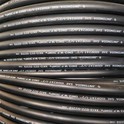
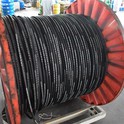
Hey there! As a supplier of RUBBER Hose SAE R16, I've seen firsthand how the surface finish of these hoses can have a significant impact on their performance. In this blog post, I'll break down the key aspects of surface finish and explain how it affects the functionality of RUBBER Hose SAE R16.
What is Surface Finish?
Before we dive into how surface finish affects performance, let's first understand what it means. Surface finish refers to the texture and smoothness of the outer layer of the rubber hose. It can range from very smooth to rough, and different finishes are achieved through various manufacturing processes.
Impact on Friction and Wear
One of the most obvious ways surface finish affects the performance of RUBBER Hose SAE R16 is through friction and wear. A smooth surface finish reduces friction when the hose is in contact with other components or when it's being bent and flexed. This means less energy is wasted in overcoming friction, which can lead to better overall efficiency.
On the other hand, a rough surface finish can increase friction. This can cause the hose to wear out more quickly, especially if it's constantly rubbing against other parts. Over time, this wear can lead to leaks or even complete failure of the hose. For example, if a RUBBER Hose SAE R16 with a rough surface is used in a high - pressure hydraulic system where it's constantly moving against metal fittings, the rough surface can abrade the fittings and itself, shortening the lifespan of both the hose and the connected components.
Influence on Fluid Flow
The surface finish also plays a role in fluid flow within the hose. A smooth interior surface finish allows fluids to flow more freely through the RUBBER Hose SAE R16. This is crucial in applications where maintaining a consistent flow rate is important, such as in hydraulic systems. When the fluid can flow smoothly, there's less chance of pressure drops or turbulence, which can affect the performance of the entire system.
In contrast, a rough interior surface can disrupt the flow of fluids. It can cause eddies and turbulence, which not only reduce the efficiency of fluid transfer but can also increase the pressure within the hose. This increased pressure can put additional stress on the hose walls, potentially leading to premature failure. For instance, in a hydraulic system using a RUBBER Hose SAE R16 with a rough interior, the inconsistent fluid flow can cause the hydraulic cylinders to operate erratically.
Resistance to Environmental Factors
The surface finish of RUBBER Hose SAE R16 can also impact its resistance to environmental factors. A smooth surface is generally more resistant to dirt, dust, and moisture buildup. Dirt and dust can accumulate on a rough surface, and moisture can get trapped in the crevices, leading to corrosion or degradation of the rubber material.
A smooth surface finish also makes it easier to clean the hose. This is important in industries where hygiene is a concern, such as the food and beverage industry. For example, if a RUBBER Hose SAE R16 is used to transfer food products, a smooth surface can prevent the growth of bacteria and make it easier to meet strict sanitation standards.
Compatibility with Fittings
When it comes to connecting RUBBER Hose SAE R16 to fittings, the surface finish matters. A smooth outer surface finish ensures a better seal with the fittings. It allows the fittings to grip the hose evenly, reducing the risk of leaks. If the surface is too rough, the fitting may not make a proper seal, which can lead to fluid leakage and loss of pressure in the system.
Moreover, a smooth surface can also make the installation process easier. It's less likely to get caught or damaged during the fitting process, which can save time and reduce the chances of installation errors. For example, when installing a RUBBER Hose SAE R16 in a tight - space application, a smooth surface makes it easier to maneuver the hose into place and attach the fittings securely.
Comparing with Other Hose Types
It's interesting to compare the surface finish requirements of RUBBER Hose SAE R16 with other types of hoses, like RUBBER Hose SAE R2AT and RUBBER Hose SAE R12. Each type of hose has its own set of performance requirements, and the surface finish can vary accordingly.
RUBBER Hose SAE R2AT is often used in medium - pressure hydraulic applications. It may require a surface finish that provides a good balance between flexibility and resistance to wear. A moderately smooth surface can help in achieving this balance, allowing the hose to bend easily while still withstanding the wear and tear of normal use.
RUBBER Hose SAE R12, on the other hand, is designed for high - pressure applications. It usually needs a very smooth surface finish to ensure optimal fluid flow and to reduce the stress on the hose walls due to high - pressure fluids. A rough surface could lead to pressure points and potential failure in these high - pressure scenarios.
How We Ensure the Right Surface Finish
As a supplier of RUBBER Hose SAE R16, we take great care in ensuring the right surface finish for our hoses. We use advanced manufacturing techniques and quality control processes to achieve the desired smoothness.
During the manufacturing process, we carefully select the rubber compounds and additives to create a surface that meets the performance requirements. We also use precision extrusion and molding techniques to ensure a consistent surface finish along the entire length of the hose. After production, we conduct thorough inspections to check for any surface defects or inconsistencies.


Conclusion
In conclusion, the surface finish of RUBBER Hose SAE R16 has a profound impact on its performance. It affects friction and wear, fluid flow, resistance to environmental factors, and compatibility with fittings. By understanding these effects, you can make more informed decisions when choosing a RUBBER Hose SAE R16 for your application.
If you're in the market for high - quality RUBBER Hose SAE R16 with the right surface finish, we're here to help. Whether you need hoses for hydraulic systems, industrial applications, or any other use, we can provide you with the best solutions. Contact us to start a procurement discussion and find out how our RUBBER Hose SAE R16 can meet your specific needs.
References
- Hydraulic Hose Handbook: A comprehensive guide to hydraulic hoses, including information on surface finish and performance.
- Rubber Technology: A textbook on rubber materials and manufacturing processes, which provides insights into how surface finish is achieved.