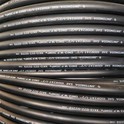
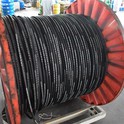
As a supplier of Rubber Hose 4SH, one of the most common questions I receive from customers is whether this type of hose is resistant to ozone. Ozone resistance is a crucial factor, especially in environments where the hose will be exposed to ozone, such as areas with high electrical equipment usage or near certain industrial processes. In this blog, I will delve into the topic of whether Rubber Hose 4SH is resistant to ozone, exploring the factors that influence its ozone resistance and providing insights based on scientific knowledge and industry experience.
Understanding Ozone and Its Effects on Rubber
Ozone is a highly reactive form of oxygen that exists in the Earth's atmosphere. It is formed through various natural and anthropogenic processes, including lightning strikes, electrical discharges, and the action of sunlight on oxygen molecules in the presence of certain pollutants. Ozone can cause significant damage to rubber materials by reacting with the double bonds in the rubber polymers. This reaction leads to the formation of ozonides, which can break down the rubber structure over time, resulting in cracking, hardening, and loss of flexibility.
Factors Affecting the Ozone Resistance of Rubber Hose 4SH
The ozone resistance of Rubber Hose 4SH depends on several factors, including the type of rubber used in its construction, the presence of additives, and the environmental conditions to which the hose is exposed.
Rubber Compounds
The choice of rubber compound is one of the most important factors in determining the ozone resistance of a hose. Different types of rubber have varying degrees of ozone resistance. For example, neoprene (CR) is known for its excellent ozone resistance due to its chemical structure, which contains chlorine atoms that can react with ozone and prevent it from attacking the rubber polymer. Nitrile rubber (NBR), on the other hand, has relatively poor ozone resistance unless it is blended with other polymers or protected by additives.
In the case of Rubber Hose 4SH, the outer cover is typically made of a rubber compound that is selected to provide good ozone resistance. Many manufacturers use a blend of neoprene or other ozone-resistant polymers to ensure that the hose can withstand exposure to ozone without significant degradation.
Additives
Additives can also play a crucial role in enhancing the ozone resistance of Rubber Hose 4SH. Antiozonants are commonly added to rubber compounds to protect them from ozone attack. These additives work by reacting with ozone before it can react with the rubber polymer, thereby preventing the formation of ozonides. Antiozonants can be classified into two main types: physical antiozonants and chemical antiozonants. Physical antiozonants, such as waxes, form a protective layer on the surface of the rubber, preventing ozone from coming into contact with the polymer. Chemical antiozonants, on the other hand, react with ozone to form stable compounds that do not cause damage to the rubber.
Environmental Conditions
The environmental conditions to which Rubber Hose 4SH is exposed can also affect its ozone resistance. Factors such as ozone concentration, temperature, and exposure time can all influence the rate of ozone degradation. Higher ozone concentrations, elevated temperatures, and longer exposure times will generally lead to more rapid degradation of the rubber. Additionally, mechanical stress, such as bending or stretching, can increase the susceptibility of the hose to ozone cracking.


Testing the Ozone Resistance of Rubber Hose 4SH
To ensure that Rubber Hose 4SH meets the required ozone resistance standards, manufacturers typically conduct ozone resistance tests. These tests involve exposing samples of the hose to a controlled ozone environment for a specified period of time and then examining the samples for signs of cracking or other damage.
One of the most common ozone resistance tests is the ASTM D1149 test method, which involves exposing the rubber samples to an ozone concentration of 50 parts per hundred million (pphm) at a temperature of 40°C for a specified period of time, usually 72 hours. After the exposure period, the samples are examined under a microscope to determine the degree of cracking. The results of the test are typically reported as the number of cracks per unit length or the average crack length.
Ozone Resistance of Rubber Hose 4SH in Real-World Applications
In real-world applications, Rubber Hose 4SH is often used in hydraulic systems, where it may be exposed to ozone in various environments. For example, in industrial settings, the hose may be exposed to ozone generated by electrical equipment or industrial processes. In outdoor applications, the hose may be exposed to ozone in the atmosphere.
Based on my experience as a supplier of Rubber Hose 4SH, I have found that the hose generally performs well in terms of ozone resistance in most applications. However, it is important to note that the actual ozone resistance of the hose may vary depending on the specific environmental conditions and the quality of the rubber compound used in its construction.
Comparing Rubber Hose 4SH with Other Rubber Hoses
When considering the ozone resistance of Rubber Hose 4SH, it is also useful to compare it with other types of rubber hoses. For example, Rubber Hose EN857, Rubber Hose EN856, and Rubber Hose EN853 are all commonly used hydraulic hoses, but they may have different ozone resistance characteristics.
The ozone resistance of these hoses will depend on the same factors as Rubber Hose 4SH, such as the type of rubber compound and the presence of additives. In general, hoses with outer covers made of ozone-resistant rubber compounds, such as neoprene, will have better ozone resistance than hoses with outer covers made of less ozone-resistant materials.
Ensuring the Long-Term Ozone Resistance of Rubber Hose 4SH
To ensure the long-term ozone resistance of Rubber Hose 4SH, it is important to follow some best practices during installation and use. Here are some tips:
- Proper Installation: Make sure the hose is installed correctly, without any kinks or bends that could cause stress on the rubber. Avoid installing the hose in areas where it will be exposed to excessive heat, sunlight, or ozone sources.
- Regular Inspection: Regularly inspect the hose for signs of cracking, hardening, or other damage. If any damage is detected, replace the hose immediately to prevent further problems.
- Environmental Protection: If possible, protect the hose from exposure to ozone by using covers or enclosures. In outdoor applications, consider using hoses with UV-resistant outer covers to protect against both ozone and sunlight damage.
- Choose High-Quality Hoses: When purchasing Rubber Hose 4SH, choose a reputable supplier that uses high-quality rubber compounds and additives to ensure good ozone resistance.
Conclusion
In conclusion, Rubber Hose 4SH can be resistant to ozone, depending on the type of rubber compound used in its construction, the presence of additives, and the environmental conditions to which it is exposed. By using ozone-resistant rubber compounds and additives, and by following best practices during installation and use, the hose can provide long-term performance in applications where it may be exposed to ozone.
If you are interested in purchasing Rubber Hose 4SH or have any questions about its ozone resistance or other properties, please feel free to contact me. I would be happy to provide you with more information and help you select the right hose for your application.
References
- ASTM D1149 - Standard Test Method for Rubber Deterioration - Ozone Cracking in a Chamber.
- Various industry publications and technical manuals on rubber hoses and their properties.