The service life of a Rubber Hose 4SP is a critical concern for many industries that rely on hydraulic systems. As a supplier of Rubber Hose 4SP, I understand the importance of providing accurate information about its longevity to our customers. This blog post aims to explore the factors that influence the service life of Rubber Hose 4SP and offer some insights on how to extend it.
Understanding Rubber Hose 4SP
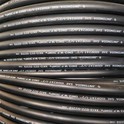
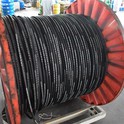
Before delving into the service life, it's essential to understand what Rubber Hose 4SP is. Rubber Hose 4SP is a high-pressure hydraulic hose designed for use in demanding applications. It is constructed with four layers of high-tensile steel wire braid reinforcement and a synthetic rubber cover, which provides excellent resistance to abrasion, weathering, and ozone. This type of hose is commonly used in construction, mining, agriculture, and other industries where high-pressure hydraulic systems are required.
You can find more information about Rubber Hose 4SP on our website: Rubber Hose 4SP.
Factors Affecting the Service Life of Rubber Hose 4SP
The service life of Rubber Hose 4SP is influenced by several factors, including:
1. Operating Pressure
One of the most significant factors affecting the service life of Rubber Hose 4SP is the operating pressure. The hose is designed to operate within a specific pressure range, and exceeding this range can cause premature failure. High-pressure applications put more stress on the hose, leading to fatigue and eventual rupture. It's crucial to select the appropriate hose size and pressure rating for your application to ensure optimal performance and longevity.
2. Temperature
Temperature also plays a crucial role in the service life of Rubber Hose 4SP. Extreme temperatures, both hot and cold, can affect the physical properties of the rubber and the steel wire reinforcement. High temperatures can cause the rubber to degrade and lose its flexibility, while low temperatures can make the hose brittle and more prone to cracking. It's important to consider the ambient temperature and the temperature of the fluid being transported when selecting a Rubber Hose 4SP.
3. Fluid Compatibility
The compatibility of the fluid being transported with the rubber material of the hose is another critical factor. Certain fluids, such as chemicals, fuels, and oils, can react with the rubber and cause it to swell, harden, or degrade. This can lead to reduced hose performance and a shorter service life. Before selecting a Rubber Hose 4SP, it's essential to ensure that the hose material is compatible with the fluid being transported.
4. Bend Radius
The bend radius of the hose is the minimum radius at which the hose can be bent without causing damage. Bending the hose beyond its recommended bend radius can cause kinking, which restricts fluid flow and increases stress on the hose. This can lead to premature failure and a shorter service life. It's important to follow the manufacturer's recommendations for the minimum bend radius when installing Rubber Hose 4SP.
5. Installation and Maintenance
Proper installation and maintenance are essential for extending the service life of Rubber Hose 4SP. During installation, it's important to ensure that the hose is properly supported and secured to prevent excessive movement and vibration. Additionally, regular maintenance, such as visual inspections and pressure testing, can help detect potential issues before they lead to failure.
Typical Service Life of Rubber Hose 4SP
The service life of Rubber Hose 4SP can vary depending on the factors mentioned above. In general, a well-maintained Rubber Hose 4SP can last anywhere from 2 to 5 years. However, in some applications, the hose may need to be replaced more frequently due to harsh operating conditions or high-pressure requirements.
It's important to note that these are just estimates, and the actual service life of the hose may vary. Regular inspections and maintenance can help determine the condition of the hose and indicate when it needs to be replaced.
Extending the Service Life of Rubber Hose 4SP
While the service life of Rubber Hose 4SP is influenced by several factors, there are steps you can take to extend its longevity:
1. Select the Right Hose
Choosing the appropriate Rubber Hose 4SP for your application is crucial. Consider the operating pressure, temperature, fluid compatibility, and bend radius requirements when selecting a hose. By selecting the right hose, you can ensure optimal performance and longevity.


2. Follow Installation Guidelines
Proper installation is essential for the performance and longevity of Rubber Hose 4SP. Follow the manufacturer's installation guidelines carefully, including the recommended bend radius and support requirements. This will help prevent kinking, excessive movement, and vibration, which can lead to premature failure.
3. Regular Maintenance
Regular maintenance is key to extending the service life of Rubber Hose 4SP. Conduct visual inspections regularly to check for signs of wear, damage, or leakage. Additionally, perform pressure testing periodically to ensure that the hose is operating within its recommended pressure range.
4. Replace Worn or Damaged Hoses
If you notice any signs of wear, damage, or leakage during your inspections, replace the hose immediately. Continuing to use a worn or damaged hose can pose a safety risk and lead to more significant problems down the line.
Conclusion
The service life of Rubber Hose 4SP is influenced by several factors, including operating pressure, temperature, fluid compatibility, bend radius, and installation and maintenance. By understanding these factors and taking appropriate steps to extend the hose's longevity, you can ensure optimal performance and reliability in your hydraulic systems.
If you're in the market for Rubber Hose 4SP or have any questions about its service life, please don't hesitate to contact us. We're here to help you find the right hose for your application and provide you with the support you need to ensure its long-term performance.
In addition to Rubber Hose 4SP, we also offer a wide range of other hydraulic hoses, including Rubber Hose EN857 and Rubber Hose 2SC. Visit our website to learn more about our products and services.
References
- "Hydraulic Hose: Selection, Installation, and Maintenance," Fluid Power Journal
- "Rubber Hose Technology," Rubber Manufacturers Association