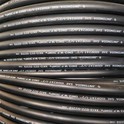
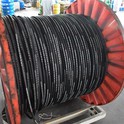
Connecting a 3/8 rubber hose to a fitting is a task that requires precision and knowledge, especially when dealing with hydraulic systems where the integrity of the connection can impact performance and safety. As a leading supplier of 3 8 Rubber Hose, we understand the importance of getting this process right. In this blog post, we'll walk you through the step-by-step process of connecting a 3/8 rubber hose to a fitting, and also discuss some key considerations to ensure a successful connection.
Understanding the Basics
Before we dive into the connection process, it's essential to understand the components involved. A 3/8 rubber hose is a flexible tube designed to carry various fluids, such as water, oil, or hydraulic fluid. The fitting, on the other hand, is a device used to connect the hose to another component, such as a valve, pump, or cylinder. There are different types of fittings available, including threaded fittings, barb fittings, and compression fittings, each designed for specific applications and hose materials.
Types of Fittings and Their Compatibility
- Threaded Fittings: These fittings are commonly used in hydraulic systems and work by screwing the fitting onto the hose end. They are available in different thread sizes and types, such as NPT (National Pipe Thread) and BSP (British Standard Pipe). When using threaded fittings, it's important to ensure that the thread size and type match the hose and the mating component.
- Barb Fittings: Barb fittings have a series of ridges or barbs on the outside surface that grip the inside of the hose when the hose is slipped over the fitting. They are often used in low-pressure applications and are relatively easy to install. However, they may not be suitable for high-pressure systems, as the hose may slip off the fitting under pressure.
- Compression Fittings: Compression fittings work by compressing a ferrule or nut onto the hose, creating a tight seal between the hose and the fitting. They are commonly used in high-pressure applications and provide a reliable and leak-free connection. Compression fittings require the use of a special tool to install correctly.
When choosing a fitting for your 3/8 rubber hose, it's important to consider the application, the operating pressure, and the type of fluid being carried. Make sure to choose a fitting that is compatible with the hose material and the mating component.


Step-by-Step Guide to Connecting a 3/8 Rubber Hose to a Fitting
- Prepare the Hose: Start by cutting the hose to the desired length using a sharp hose cutter. Make sure the cut is clean and perpendicular to the hose axis. Remove any burrs or debris from the cut end of the hose.
- Select the Fitting: Choose the appropriate fitting for your application based on the type of connection required and the operating pressure. Make sure the fitting is the correct size and type for your 3/8 rubber hose.
- Lubricate the Hose: Apply a small amount of lubricant, such as petroleum jelly or hydraulic oil, to the inside of the hose end. This will make it easier to slide the hose onto the fitting and prevent damage to the hose during installation.
- Insert the Fitting: Carefully insert the fitting into the hose end, making sure it is fully seated. If you are using a barb fitting, make sure the barbs are fully engaged with the inside of the hose. If you are using a threaded fitting, make sure the threads are properly aligned before tightening.
- Secure the Connection: Depending on the type of fitting, you may need to use a clamp, nut, or other securing device to hold the hose in place. If you are using a barb fitting, you can use a hose clamp to secure the hose to the fitting. Make sure the clamp is tightened evenly to prevent leakage.
- Test the Connection: Once the connection is secure, test it for leaks by pressurizing the system and checking for any signs of leakage. If you notice any leaks, tighten the fitting or replace the seal as needed.
Tips for a Successful Connection
- Use the Right Tools: Make sure you have the correct tools for the job, such as a hose cutter, clamp pliers, and a torque wrench. Using the right tools will make the installation process easier and ensure a proper connection.
- Follow the Manufacturer's Instructions: Always follow the manufacturer's instructions when installing fittings and hoses. This will ensure that the connection is made correctly and that the hose and fitting are used within their specified limits.
- Inspect the Hose and Fittings: Before installation, inspect the hose and fittings for any signs of damage or wear. Replace any damaged or worn components to ensure a reliable connection.
- Use Proper Lubrication: Lubricating the hose and fitting will make the installation process easier and prevent damage to the hose. Use a lubricant that is compatible with the hose material and the fluid being carried.
- Tighten the Fittings Properly: Over-tightening the fittings can damage the hose or cause the fitting to leak. Use a torque wrench to tighten the fittings to the manufacturer's recommended torque specifications.
Our Product Range
As a trusted supplier of 3 8 Rubber Hose, we offer a wide range of high-quality hoses and fittings to meet your needs. Our Hydraulic Hose DIN EN856 is designed to meet the highest standards of quality and performance, making it ideal for a variety of hydraulic applications. We also offer Hyd Hose Assy, which are pre-assembled hoses with fittings already installed, providing a convenient and reliable solution for your hydraulic systems.
Contact Us for Your Purchase
If you're interested in purchasing our 3/8 rubber hose or other hydraulic products, we'd love to hear from you. Our team of experts is available to answer any questions you may have and help you find the right products for your application. Whether you're a small business or a large industrial operation, we can provide you with the solutions you need at competitive prices.
References
- "Hydraulic Hose Fittings: A Guide to Selection and Installation." Hydraulics & Pneumatics Magazine.
- "Rubber Hose Handbook." Rubber Manufacturers Association.
- "Installation Instructions for Hydraulic Hose and Fittings." Manufacturer's Manual.