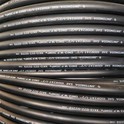
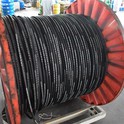
How much does Rubber Hose cost?
Rubber hoses are essential components in various industries, from automotive and agriculture to manufacturing and construction. Their versatility, durability, and flexibility make them suitable for a wide range of applications, including transporting liquids, gases, and abrasive materials. As a rubber hose supplier, I am often asked about the cost of our products. In this blog post, I will explore the factors that influence the price of rubber hoses and provide some insights into how you can make an informed decision when purchasing them.
Factors Affecting the Cost of Rubber Hoses
The cost of rubber hoses can vary significantly depending on several factors. Here are some of the key elements that determine the price:
1. Material
The type of rubber used in the hose construction is one of the primary factors affecting its cost. Different rubber compounds offer varying levels of resistance to heat, chemicals, abrasion, and other environmental factors. For example, natural rubber is relatively inexpensive and offers good flexibility and resilience, but it may not be suitable for applications involving high temperatures or exposure to certain chemicals. On the other hand, synthetic rubbers such as neoprene, nitrile, and EPDM are more expensive but provide superior resistance to heat, oil, and chemicals.
2. Size and Length
The size and length of the rubber hose also play a significant role in determining its cost. Larger diameter hoses generally require more material and are more expensive to manufacture than smaller ones. Similarly, longer hoses require more raw materials and labor, which can increase the overall cost. Additionally, custom-sized hoses may incur additional charges due to the need for special manufacturing processes.
3. Reinforcement
Many rubber hoses are reinforced with materials such as fabric, wire, or braid to enhance their strength and pressure resistance. The type and amount of reinforcement used can affect the cost of the hose. For example, hoses with multiple layers of reinforcement or high-strength materials will generally be more expensive than those with single-layer or less robust reinforcement.
4. Application and Performance Requirements
The specific application and performance requirements of the rubber hose can also impact its cost. Hoses designed for high-pressure or high-temperature applications may require special materials and manufacturing processes, which can increase the price. Similarly, hoses used in critical applications where reliability and safety are paramount may be more expensive due to the need for stricter quality control and testing.
5. Quantity
The quantity of rubber hoses you purchase can also affect the cost. In general, buying in bulk can result in lower per-unit prices due to economies of scale. However, some suppliers may offer volume discounts only for larger orders, so it's important to check with your supplier for their pricing policies.
Types of Rubber Hoses and Their Cost Range
There are several types of rubber hoses available on the market, each designed for specific applications. Here is a general overview of some common types of rubber hoses and their approximate cost range:
1. Rubber Petrol Gasoline Hose
Rubber petrol gasoline hoses are designed for use in automotive and other applications where the transfer of gasoline or petrol is required. These hoses are typically made from materials that are resistant to gasoline and other petroleum-based fuels. The cost of rubber petrol gasoline hoses can range from a few dollars for a basic hose to several hundred dollars for a high-quality, high-pressure hose.
2. Rubber Water Hose
Rubber water hoses are commonly used for gardening, irrigation, and other water-related applications. These hoses are typically made from materials that are resistant to water and UV rays. The cost of rubber water hoses can range from a few dollars for a basic, lightweight hose to several hundred dollars for a heavy-duty, reinforced hose.
3. Wear-resistant Rubber Hose
Wear-resistant rubber hoses are designed for use in applications where the hose is exposed to abrasive materials, such as sand, gravel, or cement. These hoses are typically made from materials that are highly resistant to wear and tear. The cost of wear-resistant rubber hoses can range from a few dollars for a basic hose to several hundred dollars for a high-quality, heavy-duty hose.
How to Get the Best Price for Rubber Hoses
If you're in the market for rubber hoses, here are some tips to help you get the best price:
1. Compare Prices from Multiple Suppliers
Don't settle for the first supplier you find. Take the time to compare prices from multiple suppliers to ensure you're getting the best deal. You can use online marketplaces, industry directories, or trade shows to find different suppliers and request quotes.
2. Consider the Total Cost of Ownership
When evaluating the cost of rubber hoses, it's important to consider the total cost of ownership, not just the initial purchase price. Factors such as durability, maintenance requirements, and replacement frequency can all affect the overall cost of using the hoses over time. Choose hoses that offer a good balance between price and performance to ensure long-term value.
3. Look for Volume Discounts
If you need to purchase a large quantity of rubber hoses, ask your supplier if they offer volume discounts. Buying in bulk can often result in significant savings, so it's worth exploring this option.


4. Negotiate with the Supplier
Don't be afraid to negotiate with the supplier to get a better price. Many suppliers are willing to work with customers to meet their budget requirements, especially if you're a long-term or high-volume customer. Be prepared to provide details about your specific needs and requirements to support your negotiation.
5. Consider Refurbished or Reusable Hoses
In some cases, refurbished or reusable rubber hoses can be a cost-effective alternative to new hoses. These hoses are typically inspected, cleaned, and repaired to ensure they meet the required specifications. However, make sure to choose a reputable supplier that offers a warranty or guarantee on their refurbished hoses.
Conclusion
The cost of rubber hoses can vary depending on several factors, including the material, size, length, reinforcement, application, and quantity. By understanding these factors and following the tips outlined in this blog post, you can make an informed decision when purchasing rubber hoses and get the best value for your money.
If you're interested in purchasing rubber hoses for your specific application, I encourage you to contact us. As a leading rubber hose supplier, we offer a wide range of high-quality hoses at competitive prices. Our team of experts can help you select the right hose for your needs and provide you with a detailed quote. Contact us today to start a productive discussion about your rubber hose requirements.
References
- Rubber Hose Handbook. Various industry experts and manufacturers.
- International Journal of Rubber Engineering. Academic research and case studies on rubber hoses.