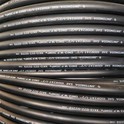
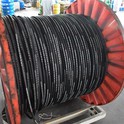
Hey there! As a supplier of Rubber Hose EN853, I often get asked about how to adjust the length of these hoses. It's a crucial aspect, especially when you're trying to fit them into specific applications. In this blog, I'll share some practical tips and methods to help you out.
First off, let's understand why you might need to adjust the length of a Rubber Hose EN853. Sometimes, the standard lengths available in the market might not match the exact requirements of your project. Maybe you're working on a custom - built hydraulic system, and the hose needs to fit precisely between two components. Or perhaps you've ordered a longer hose and want to cut it down to avoid any unnecessary slack.
There are a few types of Rubber Hose EN853 that are quite popular. You've got the Rubber Hose 1SN, which is a single - wire braid hydraulic hose. It's great for low - to medium - pressure applications. Then there's the Rubber Hose 4SP, a four - wire spiral hydraulic hose designed for high - pressure applications. And don't forget the Rubber Hose 1SC, a single - wire spiral hose that offers good flexibility.
Now, let's talk about the tools you'll need to adjust the length of these hoses. You'll definitely need a good quality hose cutter. A sharp cutter will make a clean cut, which is essential to ensure the integrity of the hose. A dull cutter can cause fraying and damage to the inner layers of the hose, which can lead to leaks and reduced performance. You might also need a deburring tool. After cutting the hose, there could be some rough edges, and a deburring tool will help smooth them out.
The first step in adjusting the length is to measure accurately. Use a measuring tape or a ruler to mark the exact point where you want to cut the hose. Make sure you double - check your measurements, as even a small error can make a big difference in how well the hose fits. It's a good idea to mark the hose with a permanent marker so that you have a clear guide when you start cutting.


Once you've marked the hose, it's time to cut it. Place the hose in the cutter, making sure it's positioned correctly. Apply steady pressure to the cutter handles. Don't try to rush the process; a slow and steady cut will give you a cleaner result. If you're using a manual cutter, you might need to make a few passes to fully cut through the hose, especially if it's a thick - walled one.
After cutting the hose, use the deburring tool to remove any rough edges. This is important because rough edges can cause problems when you're attaching fittings to the hose. It can also lead to premature wear and tear of the hose. Make sure you remove all the burrs from both the inside and the outside of the hose.
Now, if you're planning to attach fittings to the hose, there are a few things to keep in mind. You need to choose the right type of fittings for your Rubber Hose EN853. The fittings should be compatible with the hose in terms of size, pressure rating, and the type of fluid that will be flowing through the hose. There are different methods of attaching fittings, such as crimping, clamping, and threading.
Crimping is a popular method for attaching fittings to Rubber Hose EN853. It involves using a crimping machine to compress the fitting onto the hose. This creates a tight and secure connection. However, you need to make sure you use the correct crimping die for your hose and fitting combination. Using the wrong die can result in an improper crimp, which can lead to leaks.
Clamping is another option. It's a bit simpler and doesn't require a specialized machine. You use clamps to hold the fitting in place on the hose. But it might not be as secure as crimping, especially for high - pressure applications.
Threading is suitable for some types of fittings. You screw the fitting onto the hose. Make sure you use the correct thread size and apply a proper sealant to prevent leaks.
When you're adjusting the length of the hose and attaching fittings, safety is paramount. Wear safety goggles to protect your eyes from any flying debris when cutting the hose. Also, make sure you're working in a well - ventilated area, especially if you're using any chemicals or sealants.
It's also a good idea to test the hose after you've adjusted its length and attached the fittings. You can do a pressure test to make sure there are no leaks. Connect the hose to a pressure source and gradually increase the pressure to the recommended level for your application. Check all the connections and the hose itself for any signs of leakage.
In some cases, you might not be confident in adjusting the length of the Rubber Hose EN853 yourself. That's where we come in. As a supplier, we have the expertise and the tools to help you with custom - length hoses. We can cut the hoses to the exact length you need and attach the appropriate fittings. We can also provide you with technical support and advice on the best way to use and maintain your hoses.
If you're in the market for Rubber Hose EN853 or need help with adjusting the length of your hoses, feel free to reach out. We're here to assist you with all your hose - related needs. Whether you need a single hose or a large quantity for a big project, we've got you covered.
Contact us to discuss your requirements and start the procurement process. We look forward to working with you!
References:
- Industry standards for Rubber Hose EN853
- Manufacturer's guidelines for hose cutting and fitting attachment