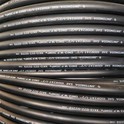
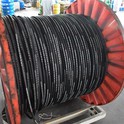
When it comes to hydraulic systems, the hydraulic hose plays a pivotal role. It is responsible for transporting hydraulic fluid from one component to another, enabling the smooth operation of machinery. One of the most critical aspects of a hydraulic hose is its maximum flow rate. Understanding this parameter is essential for ensuring the efficient and safe functioning of hydraulic systems. As a seasoned hydraulic hose supplier, I am here to shed light on what the maximum flow rate for a hydraulic hose is and how it impacts your operations.


What is the Maximum Flow Rate?
The maximum flow rate of a hydraulic hose refers to the maximum volume of hydraulic fluid that can pass through the hose per unit of time under specific conditions. It is typically measured in liters per minute (L/min) or gallons per minute (GPM). Several factors influence the maximum flow rate of a hydraulic hose, including the internal diameter of the hose, the viscosity of the hydraulic fluid, and the pressure drop across the hose.
Factors Affecting the Maximum Flow Rate
Internal Diameter
The internal diameter (ID) of the hydraulic hose is one of the most significant factors affecting the flow rate. A larger ID allows more fluid to pass through the hose, resulting in a higher flow rate. However, it's important to note that increasing the ID also increases the weight and cost of the hose. Therefore, it's crucial to select the appropriate ID based on the specific requirements of your hydraulic system. For example, in high-flow applications, a larger ID hose may be necessary to achieve the desired flow rate. On the other hand, in applications where space is limited, a smaller ID hose may be more suitable.
Fluid Viscosity
The viscosity of the hydraulic fluid also plays a crucial role in determining the maximum flow rate. Viscosity refers to the fluid's resistance to flow. A higher viscosity fluid flows more slowly than a lower viscosity fluid. Therefore, when using a high-viscosity fluid, the maximum flow rate of the hose may be reduced. It's essential to consider the viscosity of the fluid when selecting a hydraulic hose and ensure that the hose can handle the fluid's flow characteristics. For instance, in cold environments, the viscosity of the hydraulic fluid may increase, which can affect the flow rate. In such cases, using a fluid with a lower viscosity or heating the fluid may be necessary to maintain the desired flow rate.
Pressure Drop
Pressure drop is the reduction in pressure that occurs as the fluid flows through the hose. It is caused by friction between the fluid and the inner wall of the hose, as well as by bends, fittings, and other restrictions in the hydraulic system. A higher pressure drop can reduce the maximum flow rate of the hose. To minimize pressure drop, it's important to use hoses with a smooth inner surface, avoid sharp bends and kinks, and select the appropriate fittings and connectors. Additionally, using a larger ID hose can also help reduce pressure drop.
Calculating the Maximum Flow Rate
Calculating the maximum flow rate of a hydraulic hose can be a complex process, as it involves considering multiple factors. However, there are several methods and formulas available that can help estimate the flow rate. One commonly used formula is the Darcy-Weisbach equation, which takes into account the internal diameter of the hose, the length of the hose, the fluid viscosity, and the friction factor. Another method is to refer to the manufacturer's specifications, which often provide the maximum flow rate for different hose sizes and types.
It's important to note that these calculations and specifications are based on ideal conditions and may not accurately reflect the actual flow rate in a real-world application. Factors such as temperature, fluid contamination, and system pressure can all affect the flow rate. Therefore, it's recommended to consult with a hydraulic engineer or a knowledgeable supplier to ensure that the selected hose can meet the specific requirements of your system.
Importance of Choosing the Right Maximum Flow Rate
Choosing the right maximum flow rate for your hydraulic hose is crucial for several reasons. Firstly, it ensures the efficient operation of your hydraulic system. If the flow rate is too low, the system may not be able to generate enough power to perform its intended function. On the other hand, if the flow rate is too high, it can cause excessive pressure drop, increased wear and tear on the hose and other components, and even system failure.
Secondly, selecting the appropriate flow rate can help prevent safety hazards. A hose that is not capable of handling the required flow rate may burst or leak, leading to fluid spills, equipment damage, and potential injury to personnel. By choosing a hose with the right maximum flow rate, you can ensure the safety and reliability of your hydraulic system.
Our Hydraulic Hose Offerings
As a leading hydraulic hose supplier, we offer a wide range of high-quality hydraulic hoses to meet the diverse needs of our customers. Our hoses are designed and manufactured to the highest standards, ensuring optimal performance and reliability.
We carry Hydraulic Hose DIN EN853, which is a popular choice for many hydraulic applications. These hoses are known for their excellent flexibility, high pressure resistance, and long service life. They are suitable for use with a variety of hydraulic fluids, including mineral oils, water-glycol emulsions, and synthetic fluids.
In addition, we also offer Hydraulic Hose DIN EN856, which are designed for high-pressure applications. These hoses feature a high-strength reinforcement layer that provides superior burst resistance and durability. They are ideal for use in heavy-duty machinery, such as construction equipment, agricultural machinery, and industrial presses.
For industrial applications, we have Industrial Rubber Hose that are designed to withstand harsh environments and demanding conditions. These hoses are available in a variety of materials and configurations to meet the specific requirements of different industries.
Contact Us for Your Hydraulic Hose Needs
If you are looking for a reliable hydraulic hose supplier, look no further. Our team of experts is dedicated to providing you with the best products and services. We can help you select the right hydraulic hose based on your specific requirements, including the maximum flow rate, pressure rating, and operating conditions.
Whether you need a single hose or a complete hydraulic system solution, we have the expertise and resources to meet your needs. Contact us today to discuss your hydraulic hose requirements and let us help you find the perfect solution for your application.
References
- Fluid Power Handbook.
- Hydraulic Systems Design and Maintenance Guide.
- Manufacturer's specifications for hydraulic hoses.