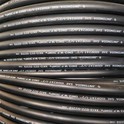
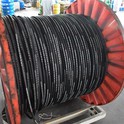
Hey there! I'm a supplier of RUBBER Hose SAE R16, and I often get asked how to choose the right end fitting for this type of hose. It's a crucial decision because the end fitting directly impacts the performance, safety, and longevity of your hose assembly. In this blog, I'll share some tips and considerations to help you make the best choice.
Understanding RUBBER Hose SAE R16
Before we dive into end fittings, let's quickly go over what RUBBER Hose SAE R16 is. SAE R16 is a hydraulic hose standard that specifies the requirements for multiple wire braid reinforced rubber hoses. These hoses are designed for high-pressure applications, typically in hydraulic systems. They're tough, flexible, and can handle a lot of stress, which is why they're so popular in industries like construction, agriculture, and manufacturing.
Types of End Fittings
There are several types of end fittings available for RUBBER Hose SAE R16, and each has its own advantages and disadvantages. Here are the most common ones:
Crimped Fittings
Crimped fittings are the most widely used type of end fitting for hydraulic hoses. They're attached to the hose by crimping a metal sleeve around the hose and fitting. This creates a strong, permanent bond that's resistant to vibration and pressure. Crimped fittings are easy to install and offer excellent seal integrity. However, they require specialized crimping equipment, and if the crimping is done incorrectly, it can lead to leaks or hose failure.
Swaged Fittings
Swaged fittings are similar to crimped fittings, but they're attached to the hose using a swaging process. Swaging involves compressing the fitting onto the hose using a hydraulic press or other specialized equipment. Swaged fittings offer a very strong and reliable connection, and they're often used in high-pressure or critical applications. However, like crimped fittings, they require specialized equipment and can be more expensive.
Field Attachable Fittings
Field attachable fittings, also known as reusable fittings, are designed to be installed without the need for special equipment. They typically consist of a threaded fitting and a hose nipple that can be tightened by hand or with a wrench. Field attachable fittings are convenient for quick repairs or field installations, but they may not offer the same level of performance or reliability as crimped or swaged fittings.
Flange Fittings
Flange fittings are used to connect hoses to other components, such as pumps, valves, or cylinders. They consist of a flange that's bolted to the component and a hose nipple that's attached to the hose. Flange fittings offer a secure and leak-free connection, and they're often used in high-pressure or large-diameter applications. However, they can be more complex and expensive to install than other types of end fittings.
Factors to Consider When Choosing End Fittings
Now that you know the different types of end fittings available, let's talk about the factors you should consider when choosing the right one for your RUBBER Hose SAE R16.
Pressure Rating
The pressure rating of the end fitting must be equal to or greater than the pressure rating of the hose. If the fitting has a lower pressure rating than the hose, it can fail under pressure, which can lead to leaks, hose rupture, or even injury. Make sure to check the pressure rating of both the hose and the fitting before making a selection.
Temperature Rating
The temperature rating of the end fitting is also important, especially if your application involves extreme temperatures. The fitting must be able to withstand the temperature range of the fluid being transported through the hose without losing its structural integrity or sealing properties. Make sure to choose a fitting that has a temperature rating that matches or exceeds the requirements of your application.
Chemical Compatibility
The end fitting must be compatible with the fluid being transported through the hose. Different fluids can react with different materials, which can cause corrosion, degradation, or other forms of damage. Make sure to choose a fitting that's made from a material that's compatible with the fluid in your application.
Size and Thread Type
The size and thread type of the end fitting must match the size and thread type of the hose and the component it's being connected to. Using the wrong size or thread type can result in a loose or leaky connection, which can lead to problems down the road. Make sure to measure the diameter and thread pitch of the hose and the component before selecting an end fitting.
Application Requirements
Finally, you need to consider the specific requirements of your application. For example, if your application involves high vibration, you may need a fitting that's designed to resist vibration. If your application requires frequent disconnection and reconnection, you may need a field attachable fitting. Make sure to choose a fitting that's designed to meet the specific needs of your application.
Comparing with Other Rubber Hoses
It's also worth comparing RUBBER Hose SAE R16 with other similar rubber hoses to understand its unique features. There are other hose types like RUBBER Hose SAE R15, RUBBER Hose SAE R17, and RUBBER Hose SAE R9. Each of these has different specifications and suitability for various applications. While RUBBER Hose SAE R16 is great for high-pressure scenarios, the other hoses might have different pressure ratings, flexibility levels, or chemical compatibilities that could be more appropriate depending on your needs.


Making the Right Choice
Choosing the right end fitting for your RUBBER Hose SAE R16 can be a bit overwhelming, but by considering the factors mentioned above, you can make an informed decision. If you're still not sure which fitting is right for your application, don't hesitate to reach out to me or a qualified hydraulic specialist. We can help you select the best fitting based on your specific requirements and ensure that your hose assembly is safe and reliable.
Why Choose Us as Your Supplier
As a supplier of RUBBER Hose SAE R16, I take pride in offering high-quality products and excellent customer service. We have a wide range of end fittings available, and we can help you choose the right one for your application. Our team of experts has years of experience in the hydraulic industry, and we're always here to answer your questions and provide support.
If you're in the market for RUBBER Hose SAE R16 or end fittings, I encourage you to contact us. We can provide you with a quote, answer any questions you may have, and help you find the right products for your needs. Whether you're a small business or a large corporation, we're committed to providing you with the best products and service at competitive prices.
References
- Hydraulic Hose and Fitting Handbook
- SAE J517 Standard for Hydraulic Rubber Hoses