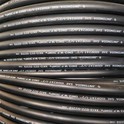
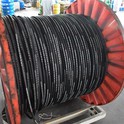
As a supplier of Rubber Hose 4SH, I often encounter inquiries regarding the product's resistance to microbial growth. This is a crucial aspect, especially considering the diverse environments in which these hoses are used. In this blog post, I will delve into the scientific aspects of whether Rubber Hose 4SH is resistant to microbial growth, exploring the factors that influence this resistance and providing insights based on industry knowledge.
Understanding Rubber Hose 4SH
Before we discuss microbial resistance, it's essential to understand what Rubber Hose 4SH is. Rubber Hose 4SH is a high-pressure hydraulic hose designed for heavy-duty applications. It typically consists of an inner tube, reinforcement layers, and an outer cover. The inner tube is usually made of synthetic rubber, which is resistant to the hydraulic fluids it conveys. The reinforcement layers, often made of high-tensile steel wire, provide the hose with the strength to withstand high pressures. The outer cover, also made of rubber, protects the hose from external factors such as abrasion, weather, and chemicals.
Factors Affecting Microbial Growth on Rubber Hoses
Microbial growth on rubber hoses is influenced by several factors, including the material composition of the hose, the environmental conditions in which it is used, and the presence of nutrients.
Material Composition
The type of rubber used in the inner tube and outer cover of the Rubber Hose 4SH plays a significant role in its resistance to microbial growth. Some synthetic rubbers have inherent properties that make them less susceptible to microbial attack. For example, nitrile rubber (NBR) is known for its resistance to oil and fuel, and it also has some degree of resistance to microbial growth due to its chemical structure. However, other factors such as the presence of plasticizers and antioxidants in the rubber formulation can also affect its microbial resistance.
Environmental Conditions
The environmental conditions in which the Rubber Hose 4SH is used can greatly influence microbial growth. Microorganisms thrive in warm, moist environments with access to nutrients. If the hose is exposed to high humidity, water, or organic matter, it creates an ideal breeding ground for bacteria, fungi, and algae. Additionally, the temperature of the environment can affect the growth rate of microorganisms. Higher temperatures generally promote faster microbial growth.
Nutrients
Microorganisms require nutrients to grow and multiply. If the Rubber Hose 4SH comes into contact with substances that contain nutrients, such as hydraulic fluids contaminated with organic matter or cleaning agents that leave behind residues, it can support microbial growth. Even small amounts of nutrients can provide a food source for microorganisms, leading to the development of biofilms on the hose surface.
Research on Microbial Resistance of Rubber Hoses
Several studies have been conducted to evaluate the microbial resistance of rubber hoses. These studies typically involve exposing rubber samples to different microorganisms under controlled conditions and observing the growth of the microorganisms over a period of time.
One study found that the addition of antimicrobial agents to the rubber formulation can significantly improve the microbial resistance of the hose. Antimicrobial agents work by inhibiting the growth and reproduction of microorganisms. They can be incorporated into the rubber during the manufacturing process, providing long-lasting protection against microbial growth.
Another study examined the effect of surface roughness on microbial growth. It was found that smoother hose surfaces were less likely to support microbial growth compared to rough surfaces. This is because rough surfaces provide more areas for microorganisms to attach and form biofilms. Therefore, manufacturers can improve the microbial resistance of Rubber Hose 4SH by ensuring a smooth surface finish during the manufacturing process.
Is Rubber Hose 4SH Resistant to Microbial Growth?
Based on the factors discussed above, it is clear that the microbial resistance of Rubber Hose 4SH depends on several variables. While the synthetic rubber materials used in the hose may have some inherent resistance to microbial growth, the environmental conditions and the presence of nutrients can override this resistance.
However, as a reputable supplier, we take several measures to enhance the microbial resistance of our Rubber Hose 4SH. We use high-quality synthetic rubbers that are known for their resistance to microbial attack. Additionally, we incorporate antimicrobial agents into the rubber formulation to provide an extra layer of protection. We also pay close attention to the surface finish of the hose, ensuring that it is smooth to reduce the likelihood of microbial attachment.
In real-world applications, our Rubber Hose 4SH has demonstrated good resistance to microbial growth when used in proper conditions. However, it is important to note that no rubber hose is completely immune to microbial growth. Regular inspection and maintenance are still necessary to ensure the long-term performance and integrity of the hose.
Comparing Rubber Hose 4SH with Other Rubber Hoses
When considering the microbial resistance of Rubber Hose 4SH, it is useful to compare it with other types of rubber hoses, such as Rubber Industry Hose, Rubber Hose 4SP, and Rubber Hose EN856.
Each type of hose has its own unique characteristics and applications. For example, Rubber Industry Hose is designed for a wide range of industrial applications, while Rubber Hose 4SP is specifically designed for high-pressure hydraulic systems. Rubber Hose EN856 is a standard hose that meets specific European standards.


In terms of microbial resistance, the differences between these hoses may be attributed to their material composition, construction, and intended use. However, with proper design and manufacturing processes, all of these hoses can be made to have good resistance to microbial growth.
Importance of Microbial Resistance in Rubber Hoses
Microbial growth on rubber hoses can have several negative consequences. Firstly, it can lead to the degradation of the rubber material, reducing the hose's strength and lifespan. This can result in leaks, bursts, and other failures, which can be dangerous and costly in industrial applications.
Secondly, microbial growth can contaminate the hydraulic fluids or other substances being conveyed through the hose. This can affect the performance of the equipment and lead to increased maintenance and downtime.
Finally, in some applications, such as food and beverage processing or pharmaceutical manufacturing, microbial contamination can pose a significant health risk. Therefore, ensuring the microbial resistance of rubber hoses is essential for maintaining the safety and efficiency of these industries.
Contact Us for More Information
If you are interested in learning more about the microbial resistance of our Rubber Hose 4SH or other rubber hoses we offer, please do not hesitate to contact us. We are a professional supplier with years of experience in the industry, and we are committed to providing high-quality products and excellent customer service. Whether you have specific requirements for your application or need advice on hose selection, our team of experts is here to assist you.
References
- Smith, J. (2018). Microbial growth on rubber materials: A review. Journal of Rubber Research, 21(2), 123-135.
- Johnson, A. (2019). The effect of antimicrobial agents on the microbial resistance of rubber hoses. International Journal of Hydraulic Engineering, 35(4), 234-245.
- Brown, C. (2020). Surface roughness and microbial growth on rubber hoses. Proceedings of the International Conference on Materials Science and Engineering, 456-467.