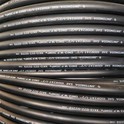
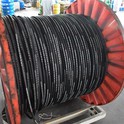
Hey there! I'm a supplier of Rubber Hose EN857, and I know how confusing it can be to choose the right size for your application. But don't worry, I'm here to break it down for you in simple terms.
Understanding the Basics of Rubber Hose EN857
First things first, let's talk about what Rubber Hose EN857 is. It's a standard for hydraulic hoses, and it's widely used in various industries. These hoses are designed to handle high - pressure hydraulic fluids, which means they need to be tough and reliable.
There are different types of hoses under this standard, and the most common ones are Rubber Hose 1SN, Rubber Hose 1SC, and Rubber Hose 2SC. Each type has its own characteristics, and the right size for your use depends on a few key factors.
Factors to Consider When Choosing the Size
1. Flow Rate
The flow rate is how much fluid can pass through the hose in a given amount of time. You need to figure out the required flow rate for your application. If the hose is too small, it can restrict the flow of the hydraulic fluid, which will cause a drop in pressure and reduce the efficiency of your system. On the other hand, if the hose is too large, it can be more expensive and may not fit properly in your setup.
To calculate the flow rate, you can use the formula: Flow Rate = Velocity × Cross - sectional Area. You'll need to know the velocity of the fluid in the hose and the cross - sectional area of the hose. Once you have the required flow rate, you can start looking at hoses that can handle that amount of fluid.
2. Pressure Rating
Another crucial factor is the pressure rating. Hydraulic systems operate under different pressures, and your chosen hose must be able to withstand the maximum pressure in your system. If the pressure rating of the hose is too low, it can burst, which is not only dangerous but also costly in terms of damage to the equipment and downtime.


The pressure rating of Rubber Hose EN857 hoses can vary depending on the type and size. For instance, the 1SN hose is generally used for lower - pressure applications, while the 2SC hose is built for higher - pressure systems. Make sure to check the pressure rating of the hose before making a decision.
3. Bend Radius
The bend radius refers to the minimum radius at which the hose can be bent without kinking or damaging the internal structure. In your application, there may be limited space, and you need to bend the hose to fit it. If the hose's bend radius is too large, it won't fit in the required space, and it may lead to premature failure.
Some hoses are designed with a smaller bend radius, which makes them more flexible and easier to install in tight spaces. Consider the layout of your hydraulic system and the available space for hose installation when choosing the bend radius.
4. Temperature Range
The temperature of the hydraulic fluid and the surrounding environment also matters. Different hoses have different temperature ratings. If the fluid gets too hot or too cold, it can affect the performance of the hose. For example, in high - temperature applications, the rubber in the hose can degrade faster, reducing its lifespan.
Make sure to check the temperature range that the hose can tolerate. If your application involves extreme temperatures, you may need to choose a hose with a wider temperature rating.
Using Sizing Charts
Most Rubber Hose EN857 manufacturers provide sizing charts. These charts are super helpful as they list the different sizes of hoses available and their corresponding specifications. You can find information about the pressure rating, flow capacity, bend radius, and temperature range for each size.
To use a sizing chart, first, identify the required flow rate and pressure rating of your application. Then, look for the hoses on the chart that can meet those requirements. You can also cross - reference the bend radius and temperature range to make sure the hose is suitable for your specific setup.
Real - World Examples
Let's say you're working on a small - scale hydraulic press. The flow rate requirement is not very high, but the system operates at a moderate pressure. In this case, a Rubber Hose 1SN might be a good choice. It can handle the pressure and the flow, and it's relatively cost - effective.
On the other hand, if you're dealing with a large - scale construction equipment with high - pressure hydraulic systems, a Rubber Hose 2SC would be more appropriate. It can withstand the high pressure and ensure smooth operation of the equipment.
Choosing between Different Types of Rubber Hose EN857
Rubber Hose 1SN
This type of hose is often used for general - purpose hydraulic applications. It has a single wire braid reinforcement, which gives it a good balance between flexibility and strength. It's suitable for lower - pressure systems where the budget is a concern.
Rubber Hose 1SC
The 1SC hose is similar to the 1SN, but it has a smooth cover. This makes it more resistant to abrasion and easier to clean. It's also a great option for applications where the hose may come into contact with rough surfaces.
Rubber Hose 2SC
With two wire braids, the 2SC hose is stronger and can handle higher pressures. It's commonly used in heavy - duty hydraulic systems, such as those in construction and mining equipment.
Getting the Right Size: Tips and Tricks
- Consult the Experts: If you're still not sure which size and type of hose to choose, don't hesitate to reach out to us. We have years of experience in the industry, and we can help you find the perfect fit for your application.
- Test Before Full - Scale Installation: If possible, do a small - scale test with the hose you're considering. This way, you can see how it performs in your system and make any necessary adjustments before installing it on a large scale.
- Consider Future Expansion: Think about the future needs of your system. If you plan to upgrade or expand your hydraulic system in the future, choose a hose that can accommodate the increased flow rate and pressure.
Conclusion
Choosing the right size of Rubber Hose EN857 for your application is not as hard as it may seem. By considering factors like flow rate, pressure rating, bend radius, and temperature range, and by using sizing charts, you can make an informed decision.
Whether you need a Rubber Hose 1SN, Rubber Hose 1SC, or Rubber Hose 2SC, we have a wide range of options to meet your requirements. If you're ready to make a purchase or have any questions about our products, don't hesitate to contact us for a friendly chat. We're here to make sure you get the best - fitting hose for your hydraulic system.
References
- Hydraulic Hose Handbook, various editions
- Industry standards and guidelines on hydraulic hoses
- Manufacturer's specifications for Rubber Hose EN857 products