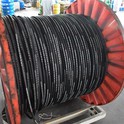
Proper storage of RUBBER Hose SAE R15 is crucial for maintaining its quality and performance over time. As a supplier of this high - quality hydraulic hose, I've witnessed firsthand the impact of improper storage on product longevity and functionality. In this blog, I'll share some scientific and practical tips on how to store RUBBER Hose SAE R15 properly.
Understanding the Characteristics of RUBBER Hose SAE R15
Before delving into storage methods, it's important to understand the nature of RUBBER Hose SAE R15. This type of hose is designed to meet the SAE (Society of Automotive Engineers) R15 standard, which is known for its high - pressure resistance and flexibility in hydraulic systems. It typically consists of an inner tube, reinforcement layers, and an outer cover. The inner tube is often made of synthetic rubber to resist the flow of hydraulic fluids, while the reinforcement layers provide strength and the outer cover protects the hose from environmental factors such as abrasion, ozone, and sunlight.
Ideal Storage Conditions
Temperature
Temperature plays a significant role in the preservation of RUBBER Hose SAE R15. Extreme temperatures can cause the rubber to harden or become too soft, affecting its flexibility and integrity. The ideal storage temperature range for this hose is between - 20°C to 40°C (- 4°F to 104°F). In colder temperatures, the rubber can lose its elasticity, making it more prone to cracking when bent or flexed. On the other hand, high temperatures can accelerate the aging process of the rubber, leading to a breakdown of its chemical structure.
It's advisable to store the hoses in a climate - controlled environment, such as a warehouse with proper insulation and temperature regulation. Avoid storing the hoses near heat sources like heaters, boilers, or direct sunlight, as these can cause localized overheating.
Humidity
Humidity levels also need to be carefully controlled. High humidity can lead to the formation of moisture on the surface of the hose, which can cause corrosion of the reinforcement layers and promote the growth of mold and mildew. The recommended relative humidity for storing RUBBER Hose SAE R15 is between 30% to 60%. To maintain proper humidity levels, you can use dehumidifiers in the storage area, especially in regions with high - humidity climates.
Light Exposure
Exposure to sunlight and artificial UV light can cause significant damage to the outer cover of the RUBBER Hose SAE R15. UV rays can break down the chemical bonds in the rubber, leading to cracking, fading, and a decrease in the hose's overall strength. Therefore, it's essential to store the hoses in a dark or low - light environment. If the hoses need to be stored in an area with some light exposure, consider using opaque covers or storing them in closed cabinets.
Storage Facilities and Equipment
Shelving and Racking
When it comes to storing RUBBER Hose SAE R15, the use of proper shelving and racking systems is essential. The shelving should be sturdy and designed to support the weight of the hoses without causing deformation. Avoid overloading the shelves to prevent damage to the hoses. It's also a good idea to use adjustable shelves so that you can accommodate hoses of different lengths and diameters.
Reels and Coils
If you have a large quantity of hoses, storing them on reels or in coils can be an efficient way to save space. However, it's important to ensure that the hoses are coiled or reeled correctly to avoid kinking and internal stress. Use a proper coiling or reeling machine to ensure a uniform and smooth winding. When using reels, make sure they are stored in a horizontal position to prevent the hoses from becoming misshapen under their own weight.


Handling and Transportation During Storage
Avoid Sharp Objects
During the storage process, it's crucial to keep the RUBBER Hose SAE R15 away from sharp objects. Even a small scratch or puncture can compromise the integrity of the hose and lead to leaks or failures in the hydraulic system. When moving the hoses around the storage area, use appropriate handling equipment such as pallet jacks or forklifts, and make sure that the equipment does not have any sharp edges or protrusions.
Proper Labeling
Labeling is an important aspect of hose storage. Clearly mark each hose with its size, type, and date of receipt. This will make it easier to locate the right hose when needed and also help in keeping track of the hose's age. A proper inventory management system can be used in conjunction with labeling to ensure efficient storage and retrieval of the hoses.
Compatibility with Other Products
When storing RUBBER Hose SAE R15, it's important to consider its compatibility with other products in the storage area. Avoid storing the hoses next to chemicals, solvents, or other substances that can react with the rubber. For example, some oils and greases can cause the rubber to swell or degrade. Keep a safe distance between the hoses and any potentially harmful substances to prevent cross - contamination and damage.
Long - Term Storage Considerations
If you need to store RUBBER Hose SAE R15 for an extended period, additional precautions should be taken. Consider applying a protective coating to the outer surface of the hoses to prevent oxidation and damage from environmental factors. You can also periodically inspect the hoses during long - term storage to check for any signs of degradation, such as cracking, hardening, or discoloration.
Related Products
If you're looking for other types of hydraulic hoses, we also offer RUBBER Hose SAE R1AT and RUBBER Hose SAE R17. These hoses are also designed to meet high - quality standards and are suitable for a variety of hydraulic applications. Our Durable Hydraulic Rubber Hose is another popular choice, known for its long - lasting performance and reliability.
Conclusion
Proper storage of RUBBER Hose SAE R15 is essential for ensuring its quality and performance. By following the guidelines outlined in this blog, you can extend the lifespan of the hoses, reduce the risk of failures, and ensure that your hydraulic systems operate smoothly. If you have any questions about the storage of RUBBER Hose SAE R15 or are interested in purchasing our products, please feel free to contact us for procurement discussions.
References
- SAE International Handbook on Hydraulic Hose Standards
- Rubber Manufacturers Association Guidelines for Rubber Product Storage