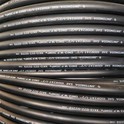
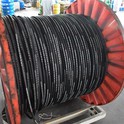
Hey there! As a supplier of RUBBER Hose SAE R9, I've seen firsthand how crucial it is to pick the right size for your needs. In this blog, I'll share some tips and insights to help you make that decision.
First off, let's talk about why size matters. The size of your RUBBER Hose SAE R9 can affect its performance in a big way. If the hose is too small, it can restrict the flow of fluid, leading to decreased efficiency and potentially causing damage to your equipment. On the other hand, if the hose is too large, it can be more expensive and may not fit properly in your system.
So, how do you choose the right size? Well, there are a few factors to consider.
Flow Rate
One of the most important factors is the flow rate of the fluid you'll be using. The flow rate is measured in gallons per minute (GPM) and refers to how much fluid will be passing through the hose at any given time. You'll need to know the flow rate of your system to determine the appropriate hose size.
As a general rule, the larger the flow rate, the larger the hose diameter you'll need. For example, if you have a high-flow system with a flow rate of 50 GPM or more, you'll likely need a hose with a diameter of at least 1 inch. On the other hand, if you have a low-flow system with a flow rate of less than 10 GPM, a hose with a diameter of 1/4 inch or 3/8 inch may be sufficient.
Pressure Rating
Another important factor is the pressure rating of the hose. The pressure rating refers to the maximum amount of pressure the hose can withstand without bursting or leaking. You'll need to know the pressure rating of your system to ensure that you choose a hose that can handle the pressure.
The pressure rating of a RUBBER Hose SAE R9 is typically measured in pounds per square inch (PSI). As a general rule, the higher the pressure rating, the thicker the hose wall you'll need. For example, if you have a high-pressure system with a pressure rating of 3000 PSI or more, you'll likely need a hose with a thick wall and a high-pressure rating. On the other hand, if you have a low-pressure system with a pressure rating of less than 1000 PSI, a hose with a thinner wall and a lower pressure rating may be sufficient.
Temperature Range
The temperature range of the fluid you'll be using is also an important factor to consider. Different hoses are designed to handle different temperature ranges, so you'll need to choose a hose that can withstand the temperature of your system.
If you'll be using the hose in a high-temperature environment, you'll need a hose that is made from a material that can withstand the heat. For example, some hoses are made from synthetic rubber that can handle temperatures up to 250°F or more. On the other hand, if you'll be using the hose in a low-temperature environment, you'll need a hose that is made from a material that can remain flexible in cold temperatures.
Bend Radius
The bend radius of the hose is another important factor to consider. The bend radius refers to the minimum radius that the hose can be bent without kinking or damaging the hose. You'll need to know the bend radius of your system to ensure that you choose a hose that can be bent to the required radius.
As a general rule, the smaller the bend radius, the more flexible the hose you'll need. For example, if you have a system with tight bends and curves, you'll likely need a hose with a small bend radius and a high degree of flexibility. On the other hand, if you have a system with large, gentle curves, a hose with a larger bend radius may be sufficient.


Compatibility
Finally, you'll need to consider the compatibility of the hose with the fluid you'll be using. Different hoses are designed to be compatible with different types of fluids, so you'll need to choose a hose that is compatible with the fluid in your system.
For example, if you'll be using the hose to transfer hydraulic fluid, you'll need a hose that is specifically designed for hydraulic applications. Similarly, if you'll be using the hose to transfer water or other non-hydraulic fluids, you'll need a hose that is compatible with those fluids.
Now that you know the factors to consider when choosing the right size of RUBBER Hose SAE R9, let's take a look at some specific examples.
Example 1: Low-Flow, Low-Pressure System
Let's say you have a low-flow, low-pressure system that is used to transfer water from a tank to a pump. The flow rate of the system is 5 GPM, and the pressure rating is 500 PSI. The temperature of the water is around 70°F, and the system has a few gentle curves.
In this case, you could choose a RUBBER Hose SAE R9 with a diameter of 1/4 inch and a pressure rating of 1000 PSI. This hose would be able to handle the low flow rate and pressure of the system, and it would be flexible enough to bend around the gentle curves.
Example 2: High-Flow, High-Pressure System
Let's say you have a high-flow, high-pressure system that is used to transfer hydraulic fluid from a pump to a hydraulic cylinder. The flow rate of the system is 60 GPM, and the pressure rating is 3500 PSI. The temperature of the hydraulic fluid is around 150°F, and the system has a few tight bends.
In this case, you would need a RUBBER Hose SAE R9 with a diameter of 1 inch and a pressure rating of 5000 PSI. This hose would be able to handle the high flow rate and pressure of the system, and it would be flexible enough to bend around the tight bends.
Other Considerations
In addition to the factors mentioned above, there are a few other things to keep in mind when choosing the right size of RUBBER Hose SAE R9.
- Length: The length of the hose can also affect its performance. As a general rule, the longer the hose, the more pressure drop there will be. You'll need to choose a hose that is long enough to reach your equipment but not so long that it causes excessive pressure drop.
- Fittings: The fittings that you use with the hose are also important. You'll need to choose fittings that are compatible with the hose and that can handle the pressure and flow rate of your system.
- Brand and Quality: Finally, it's important to choose a high-quality RUBBER Hose SAE R9 from a reputable brand. A high-quality hose will be more durable and reliable, and it will be less likely to fail or cause problems in your system.
Conclusion
Choosing the right size of RUBBER Hose SAE R9 is an important decision that can affect the performance and reliability of your system. By considering the factors mentioned in this blog, you can make an informed decision and choose a hose that is the right size and type for your needs.
If you're still not sure which size of RUBBER Hose SAE R9 is right for you, don't hesitate to contact us. We're a supplier of RUBBER Hose SAE R9 and other hydraulic hoses, and we have the expertise and experience to help you choose the right hose for your system. We also offer a wide range of RUBBER Hose SAE R1AT and RUBBER Hose SAE R2AT options, as well as Durable Hydraulic Rubber Hose.
Whether you're a small business owner or a large industrial manufacturer, we can help you find the right hose for your needs. Contact us today to learn more about our products and services and to start a conversation about your specific requirements. We look forward to hearing from you!
References
- Hydraulic Hose Handbook, Parker Hannifin Corporation
- SAE J517 Standard, Society of Automotive Engineers