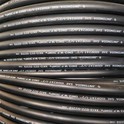
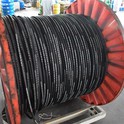
As a reputable low side hose supplier, I understand the importance of maintaining the cleanliness and functionality of these hoses. A clean low side hose not only ensures optimal performance but also extends its lifespan, saving you time and money in the long run. In this blog post, I'll share some professional tips on how to clean a low side hose effectively.
Understanding the Low Side Hose
Before we dive into the cleaning process, it's essential to understand what a low side hose is and its role. Low side hoses are commonly used in various applications, such as in refrigeration systems, propane delivery, and other low - pressure fluid transfer operations. They are designed to handle lower pressure levels compared to high - side hoses.


The 3 8 Low Pressure Propane Hose is a prime example of a low side hose. It is used to transfer propane at low pressures safely. These hoses are often made of materials like rubber or synthetic polymers, which can accumulate dirt, debris, and sometimes even chemical residues over time.
Tools and Materials Needed
To clean a low side hose, you'll need the following tools and materials:
- Soft - bristle brush: This is used to gently scrub the exterior of the hose without damaging it.
- Mild detergent: A non - abrasive, mild detergent is ideal for removing dirt and grime.
- Bucket of warm water: Warm water helps to dissolve the detergent and makes the cleaning process more effective.
- Clean, lint - free cloths: These are used for drying the hose after cleaning.
- Safety goggles and gloves: Protect your eyes and hands from any potential chemicals or debris.
Step - by - Step Cleaning Process
Step 1: Preparation
First, ensure that the low side hose is disconnected from any equipment or systems. This is crucial for safety reasons and to prevent any damage to the connected devices. Put on your safety goggles and gloves to protect yourself during the cleaning process.
Step 2: Inspect the Hose
Before starting the cleaning, carefully inspect the hose for any signs of damage, such as cracks, leaks, or bulges. If you notice any significant damage, it may be necessary to replace the hose instead of cleaning it. Pay special attention to the areas near the Low Pressure Hose Fittings, as these are often more prone to wear and tear.
Step 3: Exterior Cleaning
Fill a bucket with warm water and add a small amount of mild detergent. Dip the soft - bristle brush into the soapy water and gently scrub the exterior of the hose. Start from one end and work your way to the other, using circular motions to remove dirt and debris. Be especially thorough in areas where there are visible stains or buildup.
If there are stubborn stains, you can let the soapy water sit on the stain for a few minutes before scrubbing again. Avoid using harsh chemicals or abrasive cleaners, as they can damage the hose material.
Step 4: Interior Cleaning
For the interior of the hose, you can use a long, flexible brush or a pipe cleaner. If the hose is relatively short, you can also try flushing it with clean water. To do this, connect one end of the hose to a water source and let the water flow through it for a few minutes. This will help to remove any loose debris or sediment inside the hose.
If there are more stubborn residues inside the hose, you can create a mild cleaning solution by mixing a small amount of detergent with water. Pour the solution into the hose and let it sit for a few minutes. Then, use the brush or pipe cleaner to scrub the interior walls. Finally, flush the hose thoroughly with clean water until the water runs clear.
Step 5: Drying
After cleaning, use clean, lint - free cloths to dry the exterior of the hose. For the interior, you can let the hose air - dry by hanging it in a well - ventilated area. Make sure the hose is completely dry before reconnecting it to any equipment. Moisture left inside the hose can lead to corrosion and other issues over time.
Maintenance Tips
Regular cleaning is an important part of maintaining a low side hose, but there are also some additional maintenance tips to keep in mind:
- Store the hose properly: When not in use, store the hose in a cool, dry place away from direct sunlight and sharp objects. This will prevent damage to the hose material.
- Inspect regularly: Even if you clean the hose regularly, it's still important to inspect it for signs of wear and tear on a regular basis. This can help you catch any potential problems early and replace the hose before it fails.
- Use the right tools for installation and connection: When connecting or disconnecting the hose, use the appropriate tools to avoid damaging the hose or the fittings. For example, if you need to crimp the hose, use a Hand Operated Low Pressure Hose Crimping Machine to ensure a proper and secure connection.
Why Choose Our Low Side Hoses
As a supplier of low side hoses, we take pride in offering high - quality products that meet the highest industry standards. Our hoses are made from premium materials that are durable and resistant to various environmental factors. We also provide a wide range of hose options, including different sizes and configurations, to meet the diverse needs of our customers.
In addition to our high - quality products, we also offer excellent customer service. Our team of experts is always available to answer your questions and provide you with the support you need. Whether you're looking for a 3 8 Low Pressure Propane Hose or need advice on hose maintenance, we're here to help.
Contact Us for Your Low Side Hose Needs
If you're in the market for a new low side hose or have any questions about hose cleaning and maintenance, we'd love to hear from you. Our team is ready to assist you with your procurement needs and ensure that you get the best product for your application. Contact us today to start a conversation about your low side hose requirements.
References
- "Hose Maintenance and Safety Guide" - Industry Standard Publication
- "Best Practices for Cleaning and Maintaining Fluid Transfer Hoses" - Professional Journal Article