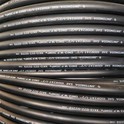
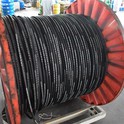
As a supplier of low pressure hoses, I often get asked whether our hoses can be used for hot water transfer. It's a valid question, considering the different factors that come into play when dealing with hot water. In this blog post, I'll explore the feasibility of using a low pressure hose for hot water transfer, the factors to consider, and the potential limitations.
Understanding Low Pressure Hoses
Low pressure hoses are designed to handle relatively low levels of pressure compared to high pressure hoses. They are commonly used in applications where the pressure requirements are not extreme, such as in household plumbing, gardening, and some industrial processes. These hoses are typically made from materials like PVC, rubber, or synthetic polymers, which offer flexibility and durability at lower pressures.
Features and Applications
Low pressure hoses come in various sizes, lengths, and configurations to suit different needs. They are often used for tasks like watering plants, washing cars, and transferring non - corrosive liquids at low flow rates. Some common types of low pressure hoses include Low Pressure Hose Fittings, Low Side Hose, and Low Pressure Breathing Air Hose.
Factors to Consider for Hot Water Transfer
When considering using a low pressure hose for hot water transfer, several factors need to be taken into account:
Temperature Resistance
The most critical factor is the hose's ability to withstand high temperatures. Hot water can range from moderately warm to near - boiling, and different hoses have different temperature ratings. PVC hoses, for example, may have a lower temperature tolerance compared to rubber hoses. If the temperature of the hot water exceeds the hose's rated temperature, it can cause the material to soften, become brittle, or even melt, leading to leaks or failures.
Material Compatibility
The material of the hose must be compatible with hot water. Some materials may react with hot water over time, especially if the water contains certain chemicals or minerals. For instance, certain plastics may degrade when exposed to hot water, releasing harmful substances into the water. Rubber hoses are generally more resistant to hot water, but they also need to be specifically formulated for hot water applications.
Pressure and Flow Rate
Although it's a low pressure hose, the pressure and flow rate of the hot water system still matter. Higher flow rates can generate more pressure within the hose, and if the hose is not designed to handle it, it can burst or develop leaks. Additionally, the pressure of the hot water can increase as the temperature rises, so it's important to ensure that the hose can handle the maximum pressure expected in the system.
Long - Term Durability
Hot water can accelerate the aging process of a hose. Over time, repeated exposure to hot water can cause the material to break down, reducing its strength and flexibility. This can lead to cracks, leaks, and a shorter lifespan for the hose. Therefore, a hose used for hot water transfer should be able to maintain its integrity over an extended period.
Advantages of Using Low Pressure Hoses for Hot Water Transfer
Despite the challenges, there are some advantages to using low pressure hoses for hot water transfer:
Cost - Effective
Low pressure hoses are generally more affordable than high pressure hoses. If the hot water application does not require high - pressure capabilities, using a low pressure hose can save on costs without sacrificing too much performance.
Flexibility
Low pressure hoses are often more flexible than high pressure hoses, making them easier to install and maneuver. This can be particularly useful in applications where the hose needs to be bent or routed around obstacles.
Availability
Low pressure hoses are widely available in the market, and they come in a variety of sizes and types. This makes it easier to find a hose that meets the specific requirements of the hot water transfer application.
Limitations and Risks
However, there are also limitations and risks associated with using low pressure hoses for hot water transfer:
Limited Temperature Range
As mentioned earlier, low pressure hoses may have a limited temperature range. If the hot water exceeds this range, the hose can be damaged, leading to safety hazards and potential property damage.
Reduced Lifespan
The exposure to hot water can significantly reduce the lifespan of a low pressure hose. This means that the hose may need to be replaced more frequently, which can increase the overall cost in the long run.
Safety Concerns
If a low pressure hose fails during hot water transfer, it can cause scalding injuries due to the release of hot water. Additionally, if the hose material degrades and releases harmful substances into the water, it can pose a health risk.
Selecting the Right Low Pressure Hose for Hot Water Transfer
To ensure the safe and effective use of a low pressure hose for hot water transfer, the following steps can be taken:
Check the Temperature Rating
Always check the temperature rating of the hose before using it for hot water. Make sure that the maximum temperature of the hot water in your system is within the hose's rated temperature range.
Choose the Right Material
Select a hose made from a material that is specifically designed for hot water applications. Rubber hoses are often a good choice, but make sure they are labeled as suitable for hot water.
Consider the Pressure and Flow Requirements
Determine the pressure and flow rate of your hot water system and choose a hose that can handle these conditions. Consult the manufacturer's specifications to ensure compatibility.
Look for Quality and Certification
Choose a hose from a reputable manufacturer that meets industry standards and certifications. This can provide assurance of the hose's quality and performance.
Conclusion
In conclusion, a low pressure hose can be used for hot water transfer, but it depends on several factors. By carefully considering the temperature resistance, material compatibility, pressure and flow requirements, and long - term durability, it is possible to select a suitable low pressure hose for hot water applications. However, it's important to be aware of the limitations and risks associated with using low pressure hoses for hot water transfer and take appropriate precautions.
If you are interested in purchasing low pressure hoses for your hot water transfer needs, or if you have any questions about our products, please feel free to contact us. We are here to help you find the right solution for your specific requirements.


References
- "Handbook of Hose Engineering" by various authors
- Manufacturer's specifications for low pressure hoses
- Industry standards for hot water transfer hoses