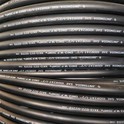
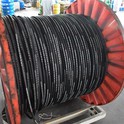
Hey there! I'm a supplier of Rubber Hose EN856, and I know how crucial it is to keep these hoses in top - notch condition. Detecting leaks in Rubber Hose EN856 is a skill that can save you a lot of trouble down the line. So, let's dive into how you can spot those pesky leaks.
Visual Inspection
The first and easiest way to detect leaks is through a simple visual inspection. Start by looking at the entire length of the hose. Check for any visible signs of damage, like cuts, abrasions, or bulges. These can be tell - tale signs that a leak might be present or is about to occur.
Sometimes, you might see a wet or oily spot on the hose surface. This is a dead giveaway of a leak. The fluid that's supposed to be inside the hose is seeping out, leaving behind a visible mark. If you notice any of these signs, it's time to take a closer look.
It's also important to check the hose connections. Make sure they are tight and there are no signs of fluid dripping from around the fittings. Loose connections are a common cause of leaks, so give them a gentle tug to see if they're secure.
Pressure Testing
Pressure testing is a more in - depth way to detect leaks. You'll need a pressure testing kit for this. First, isolate the Rubber Hose EN856 from the system. Then, connect the pressure testing kit to one end of the hose and seal the other end.
Gradually increase the pressure in the hose to the recommended working pressure. Keep a close eye on the pressure gauge. If the pressure drops over time, it's a clear indication that there's a leak somewhere in the hose. You can also use soapy water to help pinpoint the leak. Spray the soapy water all over the hose, and if there's a leak, you'll see bubbles forming at the leak point.
Pressure testing is a great way to detect small leaks that might not be visible during a visual inspection. It gives you a more accurate picture of the hose's integrity.
Listening for Leaks
Believe it or not, you can sometimes detect leaks just by listening. When a fluid is leaking from a Rubber Hose EN856, it can create a hissing or whistling sound. This is especially true for high - pressure systems.
Get close to the hose and listen carefully. If you hear any unusual sounds, it's worth investigating further. However, this method is not always reliable, especially in noisy environments. But it can be a good first step in detecting a potential leak.
Thermal Imaging
Thermal imaging is a more advanced way to detect leaks. A thermal imaging camera can detect temperature differences on the surface of the hose. When a fluid is leaking, it can cause a change in the temperature of the hose at the leak point.
Use the thermal imaging camera to scan the entire length of the hose. Look for any hot or cold spots that are out of the ordinary. These spots could indicate a leak. Thermal imaging is particularly useful for detecting leaks in hard - to - reach areas or in hoses that are covered.
Common Causes of Leaks
Now that we've covered how to detect leaks, let's talk about some common causes. One of the most common causes is wear and tear. Over time, the Rubber Hose EN856 can be exposed to harsh conditions, like high temperatures, chemicals, and mechanical stress. This can cause the rubber to degrade and develop leaks.
Another cause is improper installation. If the hose is not installed correctly, it can put extra stress on certain parts of the hose, leading to leaks. Make sure to follow the manufacturer's installation instructions carefully.
Lastly, over - pressurization can also cause leaks. If the pressure in the system exceeds the recommended working pressure of the hose, it can cause the hose to burst or develop leaks. Always make sure to operate the system within the recommended pressure range.

Importance of Detecting Leaks Early
Detecting leaks in Rubber Hose EN856 early is crucial. A small leak can quickly turn into a big problem if left undetected. It can lead to fluid loss, which can affect the performance of the system. In some cases, it can even cause damage to other components in the system.
Early detection can also save you money. Fixing a small leak is much cheaper than replacing a damaged hose or other components in the system. So, make it a regular part of your maintenance routine to check for leaks.
Conclusion
In conclusion, detecting leaks in Rubber Hose EN856 is not as difficult as it might seem. By using a combination of visual inspection, pressure testing, listening, and thermal imaging, you can effectively spot leaks and take action to fix them.
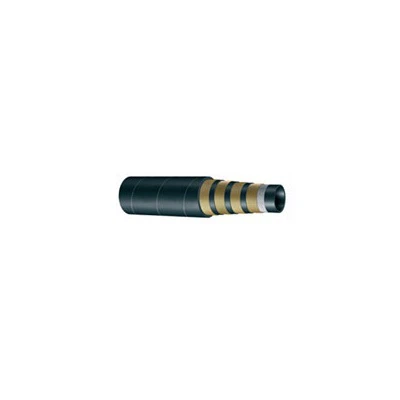
If you're in the market for high - quality Rubber Hose EN856, we've got you covered. We offer a wide range of hoses, including Rubber Hose 1SC and Rubber Hose 4SH. Our Rubber Hose EN856 is designed to meet the highest standards of quality and performance.
If you're interested in purchasing our hoses or have any questions about leak detection, feel free to reach out. We're here to help you find the right solution for your needs.
References
- "Hydraulic Hose Handbook"
- Industry standards for Rubber Hose EN856