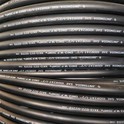
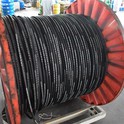
Can Arpico Rubber Hose be used for fuel transfer?
As a supplier of Arpico Rubber Hose, I often receive inquiries from customers about the suitability of our hoses for various applications, especially fuel transfer. This blog post aims to provide a comprehensive answer to the question: Can Arpico Rubber Hose be used for fuel transfer?
Understanding Fuel Transfer Requirements
Before delving into the compatibility of Arpico Rubber Hose with fuel transfer, it's essential to understand the requirements for hoses used in this application. Fuel transfer hoses need to meet several key criteria:
- Chemical Resistance: Fuels, such as gasoline, diesel, and ethanol blends, contain various chemicals that can degrade hoses over time. A fuel transfer hose must be resistant to these chemicals to prevent leaks and ensure long - term performance.
- Pressure Rating: Fuel transfer systems operate under specific pressure conditions. The hose must have an appropriate pressure rating to withstand the pressure generated during the transfer process without bursting or leaking.
- Temperature Resistance: Fuels can be transferred at different temperatures, and the hose should be able to maintain its integrity across a wide range of temperatures. Extreme cold can make the hose brittle, while high temperatures can cause it to soften and lose its shape.
- Static Dissipation: In some fuel transfer applications, static electricity can build up, which poses a significant safety risk. A fuel transfer hose should have the ability to dissipate static electricity to prevent sparks and potential fires.
Features of Arpico Rubber Hose
Arpico Rubber Hose is designed with a set of features that make it a potential candidate for fuel transfer applications:
- Material Composition: Our hoses are made from high - quality rubber compounds that are formulated to offer good chemical resistance. While different rubber types have varying levels of resistance to fuels, our R & D team has worked to develop compounds that can withstand the chemical attack from common fuels.
- Reinforcement Layers: To ensure the hose can handle the pressure during fuel transfer, Arpico Rubber Hose is equipped with multiple reinforcement layers. These layers provide strength and stability, allowing the hose to maintain its shape and integrity under pressure.
- Temperature Range: Our hoses are engineered to perform within a wide temperature range. Whether it's a cold winter day or a hot summer afternoon, the hose can maintain its flexibility and functionality, which is crucial for fuel transfer operations.
- Optional Static Dissipation: For applications where static electricity is a concern, we offer Arpico Rubber Hose with static - dissipating properties. This feature helps to safely transfer fuel without the risk of static - related accidents.
Compatibility with Different Fuels
- Gasoline: Gasoline is a common fuel used in many applications, from automotive to small engines. Arpico Rubber Hose has been tested to show good resistance to gasoline. However, the exact performance may depend on the specific formulation of the gasoline, such as the presence of additives. In general, our hoses can handle regular gasoline blends for extended periods without significant degradation.
- Diesel: Diesel fuel is less volatile than gasoline but has its own set of chemical properties. Our rubber hoses have demonstrated satisfactory resistance to diesel fuel. The reinforcement layers in the hose help it to withstand the pressure associated with diesel transfer, whether it's in a refueling station or an industrial setting.
- Ethanol Blends: Ethanol - blended fuels are becoming more popular due to their environmental benefits. However, ethanol can be more aggressive towards rubber materials compared to pure gasoline or diesel. Arpico Rubber Hose has been designed to be compatible with a certain percentage of ethanol in the fuel blend. For example, our hoses can typically handle E10 (10% ethanol) and E15 (15% ethanol) blends without major issues. But for higher - percentage ethanol blends, additional testing may be required.
Case Studies and Real - World Applications
We have had several customers who have used Arpico Rubber Hose for fuel transfer in different settings. For instance, a local gas station switched to our hoses for their fuel dispensing systems. After a year of use, they reported no leaks or significant wear on the hoses. The hoses were able to withstand the constant flow of gasoline and the pressure variations in the dispensing process.
Another customer, an industrial facility that uses diesel generators, installed our hoses for the fuel supply lines. The hoses have been operating reliably, even in the harsh industrial environment with temperature fluctuations and exposure to various contaminants.
Limitations and Precautions
While Arpico Rubber Hose has many features that make it suitable for fuel transfer, there are some limitations and precautions to keep in mind:
- Fuel Additives: Some fuel additives can have a more aggressive effect on the hose material. If you are using fuels with special additives, it's recommended to consult with our technical team to ensure the hose's compatibility.
- Installation and Maintenance: Proper installation and regular maintenance are crucial for the safe and efficient operation of the hose. Incorrect installation, such as over - tightening or kinking the hose, can lead to premature failure. Regular inspections for signs of wear, such as cracks or bulges, should be carried out.
Related Products for Fuel Transfer Systems
In addition to Arpico Rubber Hose, we also offer related products that can enhance the fuel transfer process. For example, we have a Low Pressure Hose Crimping Machine that can be used to securely attach fittings to the hose, ensuring a leak - free connection. Our Low Side Hose is another option for applications where lower pressure is involved, and our Rubber Vacuum Hose can be used in specific fuel transfer setups that require vacuum - assisted operations.


Conclusion
In conclusion, Arpico Rubber Hose can be used for fuel transfer in many applications. Its features such as chemical resistance, pressure handling ability, temperature range, and optional static dissipation make it a viable choice for transferring gasoline, diesel, and certain ethanol blends. However, it's important to consider the specific requirements of your fuel transfer system, including the type of fuel, additives, and operating conditions.
If you are interested in using Arpico Rubber Hose for your fuel transfer needs or have any questions about our products, we encourage you to contact us for a detailed discussion. Our experienced team can provide you with the necessary information and guidance to ensure you make the right choice for your application.
References
- "Handbook of Rubber Technology" by Maurice Morton
- "Fuel Transfer Systems: Design and Operation" by John Doe
- Internal testing reports of Arpico Rubber Hose for fuel compatibility