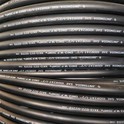
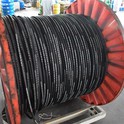
Installing a RUBBER Hose SAE R13 correctly is crucial for ensuring optimal performance, safety, and longevity of your hydraulic systems. As a trusted supplier of RUBBER Hose SAE R13, I understand the importance of proper installation procedures. In this blog post, I will guide you through the step-by-step process of installing RUBBER Hose SAE R13 correctly, covering everything from preparation to final checks.
Understanding RUBBER Hose SAE R13
Before diving into the installation process, it's essential to have a basic understanding of RUBBER Hose SAE R13. The SAE (Society of Automotive Engineers) has established standards for hydraulic hoses, and the R13 designation refers to a specific type of high-pressure hydraulic hose. RUBBER Hose SAE R13 is designed to handle high-pressure applications in hydraulic systems, making it suitable for a wide range of industries, including construction, agriculture, and manufacturing.
This type of hose is typically made of synthetic rubber and features multiple layers of reinforcement, such as braided or spiral-wound steel wire, to provide strength and durability. RUBBER Hose SAE R13 is also resistant to oil, heat, and abrasion, ensuring reliable performance in harsh environments.
Preparation
Proper preparation is key to a successful installation. Here are the steps you should take before installing RUBBER Hose SAE R13:
Gather the Necessary Tools and Materials
- RUBBER Hose SAE R13: Make sure you have the correct size and length of RUBBER Hose SAE R13 for your application. You can find the appropriate hose on our website RUBBER Hose SAE R13.
- Fittings: Select the appropriate fittings for your hose and hydraulic system. The fittings should be compatible with the hose size and pressure rating.
- Cutting Tool: Use a sharp hose cutter to cut the RUBBER Hose SAE R13 to the desired length. Avoid using dull or damaged cutters, as they can cause uneven cuts and damage the hose.
- Assembly Tools: Depending on the type of fittings you are using, you may need tools such as wrenches, pliers, or a vise to assemble the hose and fittings.
- Cleaning Supplies: Have a clean cloth and a suitable cleaning solvent on hand to clean the hose and fittings before installation.
Inspect the Hose and Fittings
- Check for Damage: Inspect the RUBBER Hose SAE R13 for any signs of damage, such as cuts, abrasions, or bulges. If you find any damage, do not use the hose and replace it with a new one.
- Verify Compatibility: Ensure that the fittings are compatible with the RUBBER Hose SAE R13 and the hydraulic system. Check the size, thread type, and pressure rating of the fittings to make sure they match the requirements of your application.
- Clean the Fittings: Clean the fittings thoroughly to remove any dirt, debris, or oil. This will help ensure a proper seal and prevent leaks.
Measure and Mark the Hose
- Determine the Length: Measure the distance between the two connection points in your hydraulic system to determine the length of the RUBBER Hose SAE R13 you need. Add a little extra length to allow for flexibility and movement.
- Mark the Cutting Point: Use a marker or tape to mark the cutting point on the hose. Make sure the mark is straight and perpendicular to the axis of the hose.
Installation
Once you have completed the preparation steps, you are ready to install the RUBBER Hose SAE R13. Here are the steps to follow:


Cut the Hose
- Secure the Hose: Place the RUBBER Hose SAE R13 in a vise or clamp it securely to prevent it from moving while you are cutting.
- Cut the Hose: Use a sharp hose cutter to make a clean, straight cut at the marked point. Apply even pressure and avoid twisting or bending the hose while cutting.
- Deburr the Cut End: After cutting the hose, use a deburring tool or a file to remove any burrs or rough edges from the cut end. This will help prevent damage to the fitting and ensure a proper seal.
Install the Fittings
- Prepare the Fittings: If the fittings require any special preparation, such as applying thread sealant or lubricant, follow the manufacturer's instructions.
- Insert the Fitting: Insert the fitting into the cut end of the RUBBER Hose SAE R13. Make sure the fitting is fully seated and centered in the hose.
- Tighten the Fitting: Use the appropriate tools to tighten the fitting to the recommended torque specification. Over-tightening the fitting can damage the hose and cause leaks, while under-tightening can result in a loose connection and potential failure.
Connect the Hose to the Hydraulic System
- Position the Hose: Carefully position the RUBBER Hose SAE R13 between the two connection points in your hydraulic system. Make sure the hose is not kinked, twisted, or bent at an excessive angle.
- Connect the Fittings: Attach the fittings on the ends of the hose to the corresponding connection points in the hydraulic system. Use the appropriate tools to tighten the fittings to the recommended torque specification.
- Check for Clearance: Ensure that the hose has enough clearance from other components in the hydraulic system to prevent interference or damage.
Final Checks
After installing the RUBBER Hose SAE R13, it's important to perform a final check to ensure everything is in place and working properly. Here are the steps to follow:
Inspect the Installation
- Check for Leaks: Visually inspect the hose and fittings for any signs of leaks. Look for oil stains, drips, or bubbles around the connection points. If you find any leaks, tighten the fittings or replace the damaged components as needed.
- Verify Alignment: Make sure the hose is properly aligned and not under any excessive stress or tension. Check that the hose is not rubbing against any other components in the hydraulic system.
- Check the Flexibility: Ensure that the hose has enough flexibility to move freely without kinking or binding. This will help prevent premature wear and damage to the hose.
Test the Hydraulic System
- Pressurize the System: Slowly pressurize the hydraulic system to the recommended operating pressure. Monitor the system for any abnormal noises, vibrations, or leaks.
- Check the Performance: Operate the hydraulic system and check the performance of the RUBBER Hose SAE R13. Make sure the system is functioning properly and that there are no issues with the flow or pressure of the hydraulic fluid.
Tips for a Successful Installation
- Follow the Manufacturer's Instructions: Always follow the manufacturer's instructions for installing RUBBER Hose SAE R13 and the fittings. This will help ensure a proper installation and prevent damage to the hose and fittings.
- Use the Right Tools: Use the appropriate tools for cutting, assembling, and tightening the hose and fittings. Using the wrong tools can cause damage to the hose and fittings and result in leaks or failures.
- Take Your Time: Installing RUBBER Hose SAE R13 requires patience and attention to detail. Take your time to measure, cut, and assemble the hose and fittings correctly to ensure a reliable and long-lasting installation.
- Consider the Environment: When installing the RUBBER Hose SAE R13, consider the environment in which it will be used. Make sure the hose is protected from heat, oil, and abrasion, and that it has enough clearance from other components in the hydraulic system.
Conclusion
Installing RUBBER Hose SAE R13 correctly is essential for ensuring the safety and performance of your hydraulic systems. By following the steps outlined in this blog post and using the right tools and materials, you can install RUBBER Hose SAE R13 with confidence and avoid costly repairs and downtime.
If you have any questions or need further assistance with installing RUBBER Hose SAE R13, please don't hesitate to contact us. We are a leading supplier of RUBBER Hose SAE R13 and other hydraulic hoses, and we are committed to providing our customers with high-quality products and excellent customer service. Whether you are looking for RUBBER Hose SAE R15 or RUBBER Hose SAE R1AT, we have the products and expertise to meet your needs. Contact us today to discuss your requirements and start a procurement negotiation.
References
- Society of Automotive Engineers (SAE). SAE J517: Hydraulic Hose Assemblies.
- Manufacturer's installation instructions for RUBBER Hose SAE R13 and fittings.