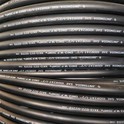
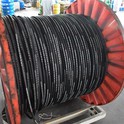
In the vast landscape of industrial and mechanical components, rubber hoses stand as unsung heroes, playing a crucial role in a multitude of applications. As a seasoned rubber hose supplier, I've witnessed firsthand the versatility and importance of these remarkable products. In this blog post, I'll delve into the world of rubber hoses, exploring what they are, their various types, applications, and why they are indispensable in numerous industries.
What is a Rubber Hose?
At its core, a rubber hose is a flexible tube made primarily of rubber or a combination of rubber and other materials. It is designed to convey fluids or gases from one point to another. The flexibility of rubber hoses allows them to be easily routed around obstacles and connected to different equipment, making them ideal for a wide range of applications.
The construction of a rubber hose typically consists of three main layers: the inner tube, the reinforcement layer, and the outer cover. The inner tube is in direct contact with the fluid or gas being conveyed and is made of a rubber compound that is resistant to the specific substance. For example, if the hose is used to transfer gasoline, the inner tube will be made of a rubber material that is resistant to the corrosive effects of gasoline.
The reinforcement layer provides strength and stability to the hose. It can be made of various materials such as textile fibers, steel wires, or synthetic yarns. The type of reinforcement used depends on the pressure requirements and the application of the hose. For high-pressure applications, a hose with a steel wire reinforcement layer is often used, while for low-pressure applications, a textile fiber reinforcement layer may be sufficient.
The outer cover protects the hose from external factors such as abrasion, weathering, and chemicals. It is also made of a rubber compound that is resistant to these factors. The outer cover can have different properties depending on the application. For example, a hose used in a harsh industrial environment may have an outer cover that is resistant to oil, grease, and chemicals, while a hose used in a domestic application may have an outer cover that is resistant to sunlight and weathering.
Types of Rubber Hoses
There are numerous types of rubber hoses available in the market, each designed for specific applications. Some of the most common types of rubber hoses include:
- Rubber Petrol Gasoline Hose: This type of hose is specifically designed to transfer gasoline or other petroleum-based fuels. It has an inner tube that is resistant to the corrosive effects of gasoline and a reinforcement layer that provides strength and stability. The outer cover is also resistant to oil and grease. Rubber Petrol Gasoline Hose is widely used in automotive, marine, and industrial applications.
- Rubber Engine Hose: Rubber engine hoses are used in automotive and industrial engines to transfer coolant, oil, and other fluids. They are designed to withstand high temperatures and pressures and have an inner tube that is resistant to the specific fluid being conveyed. The reinforcement layer provides strength and stability, and the outer cover is resistant to heat, oil, and chemicals. Rubber Engine Hose is an essential component in the cooling and lubrication systems of engines.
- Rubber Hose Princess Auto: This type of hose is commonly used in automotive and industrial applications. It is a general-purpose hose that can be used to transfer various fluids and gases. It has a flexible construction and is easy to install. Rubber Hose Princess Auto is available in different sizes and lengths to meet the specific requirements of the application.
Applications of Rubber Hoses
Rubber hoses are used in a wide range of applications across various industries. Some of the most common applications of rubber hoses include:
- Automotive Industry: Rubber hoses are used in automotive engines to transfer coolant, oil, fuel, and other fluids. They are also used in the braking system, power steering system, and air conditioning system.
- Industrial Industry: Rubber hoses are used in industrial applications to transfer various fluids and gases such as water, steam, chemicals, and compressed air. They are used in manufacturing processes, power generation plants, and mining operations.
- Marine Industry: Rubber hoses are used in marine applications to transfer fuel, water, and other fluids. They are used in boats, ships, and offshore platforms.
- Agricultural Industry: Rubber hoses are used in agricultural applications to transfer water, fertilizer, and pesticides. They are used in irrigation systems, spraying equipment, and livestock watering systems.
- Domestic Industry: Rubber hoses are used in domestic applications such as gardening, plumbing, and household appliances. They are used to transfer water, air, and other fluids.
Advantages of Using Rubber Hoses
There are several advantages of using rubber hoses in various applications. Some of the main advantages include:
- Flexibility: Rubber hoses are highly flexible, which allows them to be easily routed around obstacles and connected to different equipment. This makes them ideal for applications where flexibility is required.
- Durability: Rubber hoses are made of high-quality rubber materials that are resistant to abrasion, weathering, and chemicals. This makes them durable and long-lasting, reducing the need for frequent replacements.
- Versatility: Rubber hoses can be used to transfer a wide range of fluids and gases, making them versatile and suitable for various applications.
- Easy to Install: Rubber hoses are easy to install and can be connected to different equipment using various types of fittings. This makes them convenient to use and reduces the installation time.
- Cost-Effective: Rubber hoses are relatively inexpensive compared to other types of hoses, making them a cost-effective solution for various applications.
Choosing the Right Rubber Hose
When choosing a rubber hose for a specific application, there are several factors to consider. Some of the main factors include:
- Application: The first step in choosing the right rubber hose is to determine the application. Different applications require different types of hoses with specific properties. For example, a hose used to transfer gasoline requires a different type of hose than a hose used to transfer water.
- Fluid or Gas Being Conveyed: The type of fluid or gas being conveyed is another important factor to consider. Different fluids and gases have different properties, and the hose must be made of a material that is resistant to these properties. For example, a hose used to transfer chemicals requires a different type of hose than a hose used to transfer air.
- Pressure Requirements: The pressure requirements of the application are also an important factor to consider. Different applications require different pressure ratings, and the hose must be able to withstand the pressure without bursting or leaking.
- Temperature Requirements: The temperature requirements of the application are another important factor to consider. Different applications require different temperature ratings, and the hose must be able to withstand the temperature without losing its flexibility or strength.
- Size and Length: The size and length of the hose are also important factors to consider. The hose must be the right size and length to fit the application. A hose that is too small or too short may not be able to transfer the required amount of fluid or gas, while a hose that is too large or too long may be difficult to install and may increase the pressure drop.
Conclusion
Rubber hoses are an essential component in a wide range of applications across various industries. They offer numerous advantages such as flexibility, durability, versatility, easy installation, and cost-effectiveness. As a rubber hose supplier, I understand the importance of providing high-quality rubber hoses that meet the specific requirements of our customers. If you are in need of a rubber hose for your application, please feel free to contact us. We have a wide range of rubber hoses available in different sizes, lengths, and types to meet your specific needs. Our team of experts will be happy to assist you in choosing the right rubber hose for your application and provide you with the best possible solution.


References
- "Handbook of Rubber Technology" by Maurice Morton
- "Rubber Technology: Compounding, Testing, and Processing" by Thomas A. Troczynski
- "The Rubber Industry" by Michael Morton