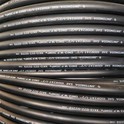
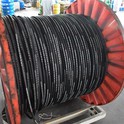
As a trusted supplier of RUBBER Hose SAE R15, I understand the importance of proper maintenance to ensure the longevity and optimal performance of these hoses. In this blog, I'll share some essential tips on how to maintain RUBBER Hose SAE R15, which will not only save you money in the long run but also prevent potential safety hazards.


1. Understanding RUBBER Hose SAE R15
Before delving into maintenance, it's crucial to have a basic understanding of RUBBER Hose SAE R15. These hoses are designed for high - pressure hydraulic applications, conforming to the SAE (Society of Automotive Engineers) standards. They typically consist of an inner tube, reinforcement layers, and an outer cover. The inner tube is responsible for containing the fluid, while the reinforcement layers provide strength to withstand high pressures, and the outer cover protects the hose from external damage.
2. Initial Installation
The first step in proper maintenance starts with correct installation.
- Proper Routing: Ensure that the hose is routed in a way that avoids sharp bends, kinks, and abrasion. A minimum bend radius should be maintained as specified by the manufacturer. Kinking can restrict the flow of fluid and cause internal damage to the reinforcement layers, while abrasion can wear down the outer cover, exposing the hose to potential failure.
- Secure Fittings: Use the appropriate fittings and ensure they are tightened correctly. Loose fittings can lead to leaks, which not only waste fluid but can also cause a drop in system pressure and potentially damage other components in the hydraulic system.
3. Regular Inspection
Regular inspections are key to detecting potential issues before they become major problems.
- Visual Inspection: Conduct a visual check of the hose at regular intervals. Look for signs of wear, such as cuts, abrasions, bulges, or blisters on the outer cover. Check the fittings for any signs of leakage, corrosion, or loose connections. If you notice any of these issues, it's important to take action immediately.
- Pressure Testing: Periodically perform pressure testing on the hose. This can help identify any internal damage that may not be visible during a visual inspection. However, make sure to follow the manufacturer's guidelines for pressure testing to avoid over - pressurizing the hose and causing damage.
4. Fluid Compatibility
The fluid used in the hydraulic system must be compatible with the RUBBER Hose SAE R15.
- Chemical Resistance: Different hoses are designed to be compatible with specific types of fluids. Using an incompatible fluid can cause the inner tube to swell, crack, or deteriorate, which can lead to hose failure. Always refer to the manufacturer's specifications to ensure that the fluid used in your hydraulic system is suitable for the RUBBER Hose SAE R15.
- Fluid Cleanliness: Contaminated fluid can also cause problems for the hose. Particles in the fluid can abrasion the inner tube and the reinforcement layers, reducing the hose's lifespan. Use proper filtration systems in the hydraulic system to keep the fluid clean.
5. Environmental Considerations
The environment in which the hose operates can have a significant impact on its lifespan.
- Temperature: Extreme temperatures can affect the performance of the hose. High temperatures can cause the rubber to harden and become brittle, while low temperatures can make the rubber stiff and less flexible. If the hose is exposed to extreme temperatures, consider using hoses with special temperature - resistant properties.
- Exposure to Chemicals and UV Rays: If the hose is exposed to chemicals or UV rays, it can cause damage to the outer cover. For example, some chemicals can corrode the rubber, while UV rays can cause the rubber to degrade over time. In such cases, use hoses with chemical - resistant and UV - resistant outer covers.
6. Storage
If you have spare RUBBER Hose SAE R15 hoses in storage, proper storage is essential to maintain their quality.
- Clean and Dry Environment: Store the hoses in a clean, dry place away from direct sunlight and sources of heat. A dirty or damp environment can cause the hose to deteriorate over time.
- Coiling and Support: When storing the hoses, coil them properly and provide adequate support to prevent kinking. Avoid hanging the hoses for long periods as this can cause stretching and deformation.
Comparison with Other Types of Rubber Hoses
It's also interesting to compare RUBBER Hose SAE R15 with other similar hoses in the market. For example, the RUBBER Hose SAE R12 is designed for different applications and has its own set of characteristics. The R12 hose may have different pressure ratings, bend radii, and fluid compatibility compared to the SAE R15. Similarly, the RUBBER Hose SAE R1AT and RUBBER Hose SAE R9 have their unique features and are suitable for specific hydraulic systems.
Conclusion
Maintaining RUBBER Hose SAE R15 is a multi - faceted process that requires attention to detail at every step, from installation to storage. By following these maintenance tips, you can ensure that your hoses perform optimally and have a long lifespan. If you are in need of high - quality RUBBER Hose SAE R15 or have any questions about hose maintenance, don't hesitate to contact us for further discussions and potential procurement opportunities.
References
- Manufacturer's guidelines for RUBBER Hose SAE R15
- SAE standards for hydraulic hoses
- Industry best practices for hydraulic hose maintenance