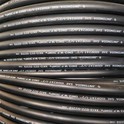
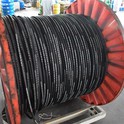
Hey there! As a supplier of Rubber Hose Pipe, I've gotten tons of questions from customers about how to make these hoses more flexible. It's a pretty common concern, especially when you're using these hoses in various applications where flexibility is key. So, I thought I'd share some tips and tricks that I've learned over the years.
Understanding the Basics of Rubber Hose Pipes
Before we dive into how to make your rubber hose pipe more flexible, let's quickly go over what makes these hoses the way they are. Rubber hose pipes are made from different types of rubber compounds, each with its own properties. The flexibility of a hose depends on factors like the type of rubber, the reinforcement layers inside, and the manufacturing process.


There are many types of rubber hose pipes out there. For example, you've got the Rubber Hose To Pvc SAE R7 R8. These hoses are designed for specific applications where you need a connection between rubber and PVC, and they come with certain flexibility characteristics. Then there's the Hydraulic Hose DIN EN853, which is used in hydraulic systems and has its own set of requirements for flexibility and durability.
Factors Affecting Hose Flexibility
Rubber Compound
The type of rubber used in the hose is a major factor. Natural rubber is known for its high flexibility and elasticity. It can bend easily without losing its shape. On the other hand, synthetic rubbers like neoprene or nitrile have different properties. Neoprene is more resistant to heat and chemicals but might be a bit stiffer compared to natural rubber. Nitrile is great for oil resistance but also has its own flexibility limits.
Reinforcement Layers
Most rubber hoses have reinforcement layers inside to increase their strength and pressure-bearing capacity. These layers can be made of materials like braided or spiral-wound fibers (such as polyester or steel). While these reinforcements are necessary, they can also affect the hose's flexibility. For example, a hose with multiple layers of steel reinforcement will be stronger but less flexible than a hose with a single layer of polyester braid.
Temperature
Temperature plays a huge role in hose flexibility. Rubber tends to become stiffer in cold temperatures and more flexible in warm temperatures. If you're using your hose in a cold environment, you might notice that it's harder to bend. On the other hand, in extremely hot temperatures, the rubber can become too soft and lose its shape.
Tips to Make Your Rubber Hose Pipe More Flexible
Choose the Right Rubber Compound
When you're buying a Rubber Hose Pipe, make sure to choose a rubber compound that suits your needs in terms of flexibility. If you need a highly flexible hose, natural rubber or a rubber blend with good flexibility properties might be a good choice. But if you also need chemical or heat resistance, you might have to compromise a bit on flexibility and go for a synthetic rubber.
Consider the Reinforcement
If flexibility is your top priority, look for hoses with less reinforcement or a type of reinforcement that doesn't restrict flexibility too much. For example, a single layer of polyester braid can provide enough strength while still allowing the hose to bend easily. Avoid hoses with excessive steel reinforcement unless you really need the high pressure capacity.
Temperature Management
As I mentioned earlier, temperature affects flexibility. If you're using the hose in a cold environment, you can try warming it up a bit. You can use a heat gun on a low setting to gently warm the hose, but be careful not to overheat it as this can damage the rubber. In hot environments, make sure the hose is properly insulated or protected from direct sunlight to prevent it from becoming too soft.
Regular Maintenance
Proper maintenance can also help keep your hose flexible. Clean the hose regularly to remove any dirt, debris, or chemicals that might harden the rubber over time. You can use a mild soap and water solution to clean the hose, and then dry it thoroughly. Also, make sure to store the hose properly when not in use. Avoid leaving it in a kinked or twisted position for long periods as this can cause the rubber to lose its flexibility.
Lubrication
Applying a small amount of lubricant to the hose can sometimes help improve its flexibility. You can use a silicone-based lubricant, which is safe for most rubber compounds. Just apply a thin layer to the outside of the hose and work it in gently. This can reduce friction and make the hose easier to bend.
Case Studies
Let me share a couple of real-life examples to show you how these tips can work. One of my customers was using a hydraulic hose in a cold climate. They were having trouble bending the hose to make the necessary connections. After I suggested warming the hose slightly with a heat gun, they found that it became much more flexible and they were able to complete the installation without any issues.
Another customer had a problem with a hose that was starting to get stiff over time due to dirt and debris buildup. I recommended cleaning the hose regularly and applying a silicone lubricant. After a few weeks of following this routine, they noticed a significant improvement in the hose's flexibility.
Conclusion
Making your rubber hose pipe more flexible isn't rocket science. By understanding the factors that affect flexibility and following these tips, you can ensure that your hose performs at its best. Whether you're using a Rubber Hose To Pvc SAE R7 R8 or a Hydraulic Hose DIN EN853, these principles apply.
If you're in the market for a high-quality Rubber Hose Pipe or have any questions about hose flexibility, don't hesitate to reach out. We're here to help you find the right solution for your needs. Whether it's choosing the right hose or getting advice on how to maintain its flexibility, we've got you covered.
References
- "Handbook of Rubber Technology" by Maurice Morton
- "Rubber Compounding: Principles, Materials, and Techniques" by Brian M. Culbertson