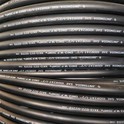
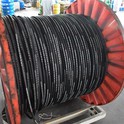
As a professional Hydraulic Hose supplier, I've witnessed firsthand the significant impact a burst hydraulic hose can have on industrial operations. Not only does it lead to costly downtime, but it also poses potential safety risks to workers. In this blog, I'll share some practical tips on how to prevent a hydraulic hose from bursting, drawing on my years of experience in the industry.
1. Select the Right Hydraulic Hose
The first step in preventing hose bursts is to choose the appropriate hydraulic hose for your specific application. Different applications require hoses with different specifications, such as pressure ratings, temperature ranges, and chemical compatibility.
- Pressure Rating: Ensure that the hose's pressure rating exceeds the maximum operating pressure of your hydraulic system. Over-pressurization is one of the leading causes of hose failure. For example, if your system operates at a maximum pressure of 3000 psi, select a hose with a pressure rating of at least 4000 psi to provide a safety margin.
- Temperature Range: Consider the temperature conditions in which the hose will operate. Extreme temperatures can degrade the hose material over time, leading to premature failure. Choose a hose that can withstand the temperature range of your application. For instance, in high-temperature environments, look for hoses with heat-resistant materials.
- Chemical Compatibility: If the hydraulic fluid or other chemicals come into contact with the hose, make sure the hose material is compatible. Chemical reactions can weaken the hose and cause it to burst. Check the manufacturer's specifications to ensure compatibility.
You can explore our wide range of Hydraulic Hose options, which are designed to meet various application requirements.
2. Proper Installation
Correct installation is crucial for the long-term performance and safety of hydraulic hoses. Improper installation can cause stress on the hose, leading to premature failure.
- Avoid Sharp Bends: When installing the hose, ensure that it is routed in a way that avoids sharp bends. Sharp bends can restrict the flow of hydraulic fluid and increase the internal pressure, which may cause the hose to burst. The minimum bend radius for a hose is specified by the manufacturer, so make sure to follow these guidelines.
- Secure Fittings Properly: Use the correct fittings and ensure they are tightened to the appropriate torque. Loose fittings can cause leaks and vibrations, which can damage the hose over time. Additionally, make sure the fittings are compatible with the hose material and the hydraulic system.
- Prevent Twisting: Avoid twisting the hose during installation. Twisted hoses can experience uneven stress distribution, leading to weak points and potential bursts.
3. Regular Inspection
Regular inspection is essential to detect any signs of wear, damage, or degradation in the hydraulic hose before it bursts.


- Visual Inspection: Conduct a visual inspection of the hose regularly. Look for signs of abrasion, cuts, bulges, or cracks on the outer surface of the hose. These are all indicators of potential problems that need to be addressed.
- Check for Leaks: Inspect the fittings and connections for any signs of leaks. Leaks can not only waste hydraulic fluid but also indicate a problem with the hose or fittings.
- Monitor Performance: Pay attention to the performance of the hydraulic system. If you notice any changes in pressure, flow rate, or operation, it could be a sign of a problem with the hose.
4. Maintenance and Replacement
Proper maintenance and timely replacement of hydraulic hoses can significantly reduce the risk of bursting.
- Keep the Hose Clean: Dirt, debris, and contaminants can damage the hose over time. Keep the hose clean by regularly wiping it down and protecting it from environmental factors.
- Change the Hydraulic Fluid: Contaminated hydraulic fluid can cause wear and tear on the hose. Follow the manufacturer's recommendations for changing the hydraulic fluid at regular intervals.
- Replace Worn Hoses: If you detect any signs of wear or damage during inspection, replace the hose immediately. Don't wait until it bursts, as this can cause significant damage to the hydraulic system and pose a safety risk.
We also offer Industrial Rubber Hose and Rubber Hose To Pvc SAE R7 R8 options, which are suitable for various industrial applications and can be maintained and replaced as needed.
5. Training and Education
Ensure that your employees are properly trained in the installation, inspection, and maintenance of hydraulic hoses. Providing them with the necessary knowledge and skills can help prevent hose bursts and ensure the safe operation of the hydraulic system.
- Training Programs: Develop training programs that cover the proper handling, installation, and maintenance of hydraulic hoses. Include information on safety procedures and how to identify potential problems.
- Regular Updates: Keep your employees informed about the latest industry standards and best practices for hydraulic hose management. Provide refresher training as needed.
Conclusion
Preventing a hydraulic hose from bursting requires a combination of proper selection, installation, inspection, maintenance, and training. By following these tips, you can significantly reduce the risk of hose failure and ensure the reliable operation of your hydraulic system.
If you have any questions or need assistance in selecting the right hydraulic hose for your application, please don't hesitate to contact us. We are here to help you find the best solutions for your hydraulic hose needs. Let's work together to ensure the safety and efficiency of your industrial operations.
References
- Manufacturer's specifications and guidelines for hydraulic hoses.
- Industry standards and best practices for hydraulic system maintenance.