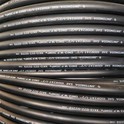
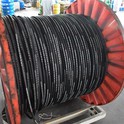
Hey there! As a supplier of hydraulic hoses, I often get asked about the standard sizes of these crucial components. Hydraulic hoses are used in a wide range of applications, from construction equipment to industrial machinery, and having the right size is essential for optimal performance. So, let's dive into the world of hydraulic hose sizes and explore what you need to know.
First off, it's important to understand that hydraulic hoses come in various sizes, and these sizes are typically specified by their inner diameter (ID), outer diameter (OD), and sometimes the length. The inner diameter is a critical factor as it determines the flow rate of the hydraulic fluid through the hose. A larger ID allows for more fluid to pass through, which is necessary for high-flow applications. On the other hand, a smaller ID may be suitable for applications where space is limited or where a lower flow rate is required.
The outer diameter of the hose is also significant, as it affects the hose's flexibility and the fittings that can be used with it. A larger OD may provide more durability but could be less flexible, while a smaller OD is generally more flexible but may not be as robust.
Now, let's talk about the most common standard sizes of hydraulic hoses. In the industry, the sizes are often measured in inches or millimeters. Some of the popular inch-based sizes include 1/4", 3/8", 1/2", 5/8", 3/4", and 1". These sizes are widely used in a variety of hydraulic systems, and you can easily find fittings and connectors that match these standard dimensions.
In the metric system, common sizes are 6mm, 8mm, 10mm, 12mm, 16mm, 20mm, and 25mm. The metric sizes are more prevalent in regions that follow the metric system, but they are also used globally in many hydraulic applications.
When choosing the right size of hydraulic hose for your application, you need to consider several factors. The first is the flow rate requirements of your hydraulic system. You can calculate the flow rate based on the speed and force requirements of the equipment. For example, if you have a high-pressure hydraulic pump that needs to deliver a large volume of fluid quickly, you'll need a hose with a larger inner diameter.
Another factor to consider is the pressure rating of the hose. Different sizes of hoses have different pressure ratings, and you need to ensure that the hose you choose can withstand the maximum pressure of your hydraulic system. Using a hose with a lower pressure rating than required can lead to leaks, bursts, and potentially dangerous situations.
The temperature range of the hydraulic fluid and the operating environment also play a role in selecting the right hose size. Some hoses are designed to withstand high temperatures, while others are better suited for cold environments. If your application involves extreme temperatures, you'll need to choose a hose that can handle those conditions.
Now, I'd like to introduce you to some of the products we offer. We have a great selection of Rubber Hose Pipe. These hoses are made of high-quality rubber materials, which provide excellent flexibility and durability. They come in various sizes to meet different application needs.


Our JINTONGDA Rubber Hose 15m is also a popular choice. With a length of 15 meters, it's suitable for many hydraulic systems where a longer hose is required. It has a good balance of flexibility and strength, making it a reliable option for a wide range of applications.
If you're looking for a hose that meets specific international standards, our Hydraulic Hose DIN EN856 is worth considering. This hose is designed to comply with the DIN EN856 standard, which ensures high quality and performance. It comes in different sizes, so you can find the one that fits your hydraulic system perfectly.
In addition to the standard sizes, we also offer custom-made hydraulic hoses. If you have unique requirements that the standard sizes don't meet, we can manufacture hoses according to your specifications. We have a team of experienced engineers who can work with you to design and produce the right hose for your application.
When it comes to installation, it's crucial to follow the proper procedures. Make sure to use the correct fittings and connectors for the hose size you've chosen. Improper installation can lead to leaks and reduced performance. It's also a good idea to inspect the hoses regularly for any signs of wear and tear, such as cracks, bulges, or abrasions.
If you're unsure about which size of hydraulic hose is right for your application, don't hesitate to reach out to us. Our team of experts is always ready to help you make the best choice. We can provide you with technical advice, answer your questions, and even offer on-site consultations if needed.
In conclusion, choosing the right standard size of hydraulic hose is essential for the proper functioning of your hydraulic system. By considering factors such as flow rate, pressure rating, temperature range, and application requirements, you can select the most suitable hose for your needs. Whether you need a standard size or a custom-made hose, we've got you covered. So, if you're in the market for hydraulic hoses, contact us today to discuss your requirements and start the procurement process. We're looking forward to working with you!
References
- Hydraulic Hose Handbook, Industry Standard Publications
- Technical Manuals from Hydraulic Equipment Manufacturers