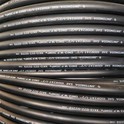
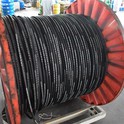
Hey there! I'm a supplier of RUBBER Hose SAE R12, and I know how frustrating it can be when these hoses start to kink. Kinking not only affects the performance of the hose but also shortens its lifespan. In this blog, I'll share some practical tips on how to prevent kinking of RUBBER Hose SAE R12.
Understanding the Basics of RUBBER Hose SAE R12
Before we dive into the prevention methods, let's quickly go over what RUBBER Hose SAE R12 is. The SAE (Society of Automotive Engineers) has a set of standards for hydraulic rubber hoses, and the R12 specification is for a type of high - pressure hydraulic hose. These hoses are commonly used in various industrial and automotive applications where high - pressure fluid transfer is required. If you want to learn more about this type of hose, you can check out RUBBER Hose SAE R12.
Causes of Kinking
To prevent kinking, we first need to understand what causes it. There are several factors that can lead to kinking of RUBBER Hose SAE R12:
- Improper Installation: If the hose is not installed correctly, it may be more prone to kinking. For example, if the hose is bent at an angle that is too sharp during installation, it can cause stress points that lead to kinking over time.
- External Forces: Hoses can be subjected to external forces such as being stepped on, pinched, or caught between objects. These forces can deform the hose and cause it to kink.
- Inadequate Routing: When the hose is routed in a way that doesn't allow for proper movement or flexibility, kinking can occur. For instance, if the hose is routed too close to sharp edges or in a confined space, it may get kinked easily.
Prevention Methods
Proper Installation
- Use the Right Fittings: Make sure you're using the correct fittings for your RUBBER Hose SAE R12. Using the wrong fittings can cause uneven stress on the hose, leading to kinking. The fittings should be compatible with the hose size and pressure rating.
- Avoid Sharp Bends: When installing the hose, try to keep the bends as gentle as possible. The minimum bend radius for RUBBER Hose SAE R12 is specified by the manufacturer. Make sure you don't bend the hose beyond this radius. For example, if the manufacturer recommends a minimum bend radius of 3 inches, don't bend the hose to a radius smaller than that.
- Secure the Hose Properly: Use hose clamps or brackets to secure the hose in place. This helps to prevent the hose from moving around and getting kinked. However, don't overtighten the clamps, as this can also damage the hose.
Routing Considerations
- Plan the Route in Advance: Before installing the hose, plan out the route carefully. Avoid routing the hose near sharp edges, moving parts, or areas where it can be easily damaged. Make sure there is enough space for the hose to move freely without being restricted.
- Use Hose Guides: Hose guides can be used to keep the hose in place and prevent it from kinking. They help to direct the flow of the hose and reduce the chances of it getting caught or bent in an awkward way. You can install hose guides at regular intervals along the length of the hose.
Handling and Storage
- Be Gentle When Handling: When moving or working with the RUBBER Hose SAE R12, be gentle. Avoid pulling, twisting, or yanking the hose, as this can cause kinking. If you need to move the hose, support it along its length to prevent it from bending too much.
- Proper Storage: When the hose is not in use, store it properly. Coil the hose loosely and store it in a cool, dry place. Avoid storing the hose in a way that it gets bent or compressed for long periods. You can use a hose reel to store the hose neatly and prevent kinking.
Comparing with Other Types of Hoses
It's also interesting to compare RUBBER Hose SAE R12 with other types of hoses, such as RUBBER Hose SAE R9 and RUBBER Hose SAE R13. While the basic principles of preventing kinking are similar for all these hoses, there are some differences in their construction and application that may affect the prevention methods.


- RUBBER Hose SAE R9: This type of hose is typically used for medium - pressure applications. It may have a different bend radius requirement compared to RUBBER Hose SAE R12. When preventing kinking, you need to pay attention to the specific bend radius of the R9 hose.
- RUBBER Hose SAE R13: The R13 hose is designed for high - impulse applications. It may be more flexible than the R12 hose in some cases, but it still needs to be handled properly to prevent kinking. The installation and routing considerations for the R13 hose are also important to ensure its longevity.
Regular Inspection
Regular inspection of the RUBBER Hose SAE R12 is crucial for preventing kinking. Check the hose for any signs of damage, wear, or kinking on a regular basis. If you notice any kinks or potential kinking points, take action immediately. You can try to straighten out minor kinks by gently bending the hose back into shape. However, if the kink is severe, it may be necessary to replace the hose.
Conclusion
Preventing kinking of RUBBER Hose SAE R12 is essential for ensuring its proper performance and longevity. By following the tips mentioned above, such as proper installation, careful routing, gentle handling, and regular inspection, you can significantly reduce the chances of kinking. If you're in the market for high - quality RUBBER Hose SAE R12, feel free to reach out for a procurement discussion. I'm here to provide you with the best products and solutions for your needs.
References
- SAE J517 Standard for Hydraulic Rubber Hoses
- Manufacturer's Manuals for RUBBER Hose SAE R12, R9, and R13