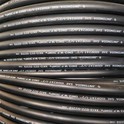
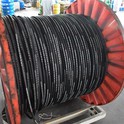
As a supplier of RUBBER Hose SAE R12, I understand the critical importance of preventing leakage in these connections. Leakage not only leads to loss of fluid, which can be costly and environmentally harmful, but also poses significant safety risks. In this blog, I will share some effective strategies and best practices to prevent leakage in RUBBER Hose SAE R12 connections.
Understanding RUBBER Hose SAE R12
Before delving into leakage prevention, it's essential to have a basic understanding of RUBBER Hose SAE R12. These hoses are designed for high - pressure hydraulic applications. They are constructed with multiple layers, typically including an inner tube, reinforcement layers, and an outer cover. The inner tube is in contact with the hydraulic fluid, and the reinforcement layers provide strength to withstand high pressures. The outer cover protects the hose from external damage such as abrasion, weather, and chemicals.

Causes of Leakage in RUBBER Hose SAE R12 Connections
- Improper Installation: One of the most common causes of leakage is improper installation. If the hose is not cut straight, the fittings are not installed correctly, or the tightening torque is not appropriate, it can lead to leakage. For example, if the fitting is not tightened enough, there will be a gap between the hose and the fitting, allowing fluid to escape.
- Fitting Compatibility: Using incompatible fittings with the RUBBER Hose SAE R12 can also result in leakage. Fittings must be specifically designed for this type of hose, taking into account factors such as size, pressure rating, and material compatibility.
- Hose Damage: Physical damage to the hose, such as cuts, abrasions, or kinks, can compromise its integrity and lead to leakage. Over time, exposure to harsh environmental conditions, such as extreme temperatures, chemicals, and UV radiation, can also cause the hose material to degrade, increasing the risk of leakage.
- Pressure Surges: High - pressure surges in the hydraulic system can put additional stress on the hose connections. If the hose and fittings are not designed to handle these surges, it can cause the connections to loosen or the hose to burst, resulting in leakage.
Strategies to Prevent Leakage
1. Proper Installation
- Cutting the Hose: Use a sharp, clean cutting tool to cut the RUBBER Hose SAE R12. Make sure the cut is perpendicular to the axis of the hose. A jagged or angled cut can prevent a proper seal between the hose and the fitting.
- Fitting Installation: Follow the manufacturer's instructions carefully when installing the fittings. Ensure that the fitting is inserted fully into the hose and that the clamping or crimping process is done correctly. Use the appropriate tools and torque values to tighten the fittings. Over - tightening can damage the hose, while under - tightening can lead to leakage.
- Alignment: Proper alignment of the hose and fittings is crucial. Misaligned connections can cause uneven stress distribution, which may lead to leakage over time.
2. Selecting the Right Fittings
- Compatibility: Choose fittings that are specifically designed for RUBBER Hose SAE R12. Consider factors such as size, pressure rating, and material compatibility. For example, if the hydraulic fluid is corrosive, select fittings made of corrosion - resistant materials.
- Quality: Opt for high - quality fittings from reputable manufacturers. High - quality fittings are more likely to provide a reliable seal and withstand the rigors of the hydraulic system.
3. Protecting the Hose
- Abrasion Protection: Use protective sleeves or guards to prevent abrasion of the hose. Abrasion can weaken the hose wall and lead to leakage. These protective measures can extend the lifespan of the hose and reduce the risk of leakage.
- Environmental Protection: If the hose is exposed to harsh environmental conditions, such as extreme temperatures or chemicals, choose hoses with appropriate outer covers. For example, hoses with heat - resistant or chemical - resistant outer covers can better withstand these conditions and prevent damage.
- Avoiding Kinks: Ensure that the hose is installed in a way that avoids kinks. Kinks can restrict the flow of fluid and cause excessive pressure buildup, which may lead to leakage or even hose failure.
4. Managing Pressure Surges
- Pressure Relief Valves: Install pressure relief valves in the hydraulic system to protect the hose and fittings from high - pressure surges. These valves can release excess pressure when it reaches a certain level, preventing damage to the hose connections.
- Sizing the System Correctly: Ensure that the hydraulic system is properly sized for the application. An undersized system can cause excessive pressure, while an oversized system may not operate efficiently. Proper sizing helps to maintain a stable pressure in the system and reduces the risk of pressure surges.
Other Related RUBBER Hoses
In addition to RUBBER Hose SAE R12, we also supply other types of hydraulic rubber hoses, such as RUBBER Hose SAE R13, RUBBER Hose SAE R17, and RUBBER Hose SAE R9. Each of these hoses has its own unique characteristics and applications, and we can help you select the most suitable hose for your specific needs.

Conclusion
Preventing leakage in RUBBER Hose SAE R12 connections requires a combination of proper installation, selecting the right fittings, protecting the hose, and managing pressure surges. By following these best practices, you can ensure the reliability and safety of your hydraulic systems. If you have any questions about RUBBER Hose SAE R12 or need assistance in selecting the right hose and fittings for your application, please feel free to contact us for a procurement discussion.

References
- Hydraulic Hose Handbook. Parker Hannifin Corporation.
- SAE J517 Standard for Hydraulic Rubber Hoses. Society of Automotive Engineers.