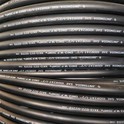
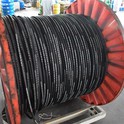
Hey there! As a supplier of RUBBER Hose SAE R16, I often get asked about the temperature range for this type of hose. So, I thought I'd write this blog to clear things up and share some useful info.
First off, let's talk about what RUBBER Hose SAE R16 is. It's a high - pressure hydraulic hose that's widely used in various industries. It's designed to handle some pretty tough conditions, which is why understanding its temperature range is super important.
The temperature range for RUBBER Hose SAE R16 typically falls between - 40°F (- 40°C) and 212°F (100°C). This range allows the hose to function effectively in a variety of environments. When the temperature is within this sweet spot, the hose maintains its flexibility and strength, ensuring that it can carry hydraulic fluids without any major issues.
At the lower end of the spectrum, - 40°F (- 40°C), the rubber in the hose starts to become stiffer. But don't worry too much! The SAE R16 hose is engineered to still perform reasonably well even in these cold conditions. However, extremely cold temperatures can increase the risk of the hose cracking or splitting if it's bent or flexed too much. So, if you're using the hose in a cold environment, it's a good idea to handle it with a bit more care.
On the other hand, when the temperature hits the upper limit of 212°F (100°C), the rubber may start to break down over time. High temperatures can cause the rubber to lose its elasticity, which can lead to leaks or even complete hose failure. To prevent this, it's crucial to make sure that the hose isn't exposed to excessive heat sources for extended periods.

Now, why is it so important to keep the hose within this temperature range? Well, if the temperature goes beyond the recommended limits, the performance of the hose can be seriously affected. For example, if it's too cold, the hose may not be able to flex properly, which can restrict the flow of hydraulic fluid. This can lead to decreased efficiency in your hydraulic system. And if it's too hot, as I mentioned earlier, the rubber can break down, causing leaks that can be not only messy but also dangerous.
When you're choosing a RUBBER Hose SAE R16 for your application, it's essential to consider the operating temperature of your environment. If you're working in a place with extreme temperatures, you might want to look into hoses with a wider temperature range.
We also offer other types of hoses that might be suitable for different temperature conditions. For instance, RUBBER Hose SAE R12 has its own unique temperature range and features. It might be a great option if you need something a bit different from the SAE R16. And then there's the Durable Hydraulic Rubber Hose, which is known for its toughness and can handle a wide range of temperatures in many applications. Another alternative is the RUBBER Hose SAE R9, which also has its own set of advantages when it comes to temperature resistance.
It's also worth noting that proper maintenance can help the RUBBER Hose SAE R16 stay within its temperature - performance range. Regularly inspect the hose for signs of wear and tear, and make sure it's installed correctly. If you notice any issues, such as cracks or bulges, it's best to replace the hose right away.
In addition to temperature, other factors can affect the performance of the RUBBER Hose SAE R16. Pressure is one of them. The hose is designed to handle a certain amount of pressure, and if the pressure exceeds its limit, it can cause damage. So, make sure you know the pressure requirements of your hydraulic system and choose a hose that can handle it.
The type of hydraulic fluid you use also matters. Different fluids have different properties, and some may be more compatible with the rubber in the SAE R16 hose than others. Using the wrong fluid can cause the rubber to swell or degrade, which can lead to premature hose failure.
If you're in the market for a RUBBER Hose SAE R16 or any of our other hoses, I'd love to help you out. We've got a wide range of options to suit your needs, and we can provide you with all the information you need to make the right choice. Whether you're working in a cold climate or a hot one, we can find the perfect hose for your application.
So, if you're interested in learning more or making a purchase, don't hesitate to get in touch. We're here to assist you every step of the way, from choosing the right hose to answering any questions you might have. Let's work together to find the best solution for your hydraulic system!

References

- SAE J517 Standard for Hydraulic Rubber Hoses
- Manufacturer's Technical Documentation for RUBBER Hose SAE R16