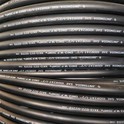
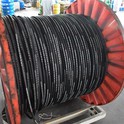
A hydraulic hose is an essential component in various hydraulic systems, playing a crucial role in transmitting high - pressure hydraulic fluid to power different types of machinery. Over time, these hoses can wear out, get damaged, or simply reach the end of their service life. As a trusted hydraulic hose supplier, I'm here to guide you through the process of replacing a hydraulic hose step by step.
Step 1: Safety First
Before you start any work on a hydraulic system, safety should be your top priority. First, make sure to shut down the machinery that the hydraulic system is powering. This will prevent any accidental activation of the hydraulic system while you're working on it. Next, relieve the pressure in the hydraulic system. This can usually be done by opening a pressure - relief valve or following the manufacturer's specific instructions for your equipment. You should also wear appropriate personal protective equipment (PPE), such as safety glasses, gloves, and work boots, to protect yourself from any potential hazards like flying debris or hydraulic fluid splashes.
Step 2: Identify the Damaged Hose
Once the system is safe to work on, you need to find the damaged hydraulic hose. Look for signs of wear, such as cracks, bulges, or leaks. Leaks can often be identified by the presence of hydraulic fluid around the hose or its connections. You should also check the hose for any signs of abrasion, which can weaken the hose over time. If the hose has been in use for a long time, it might be a good idea to replace it even if there are no obvious signs of damage, as hoses have a limited service life.
Step 3: Measure the Hose
Accurate measurements are crucial when replacing a hydraulic hose. Measure the length of the hose from end - to - end. You should also measure the inside diameter (ID) and outside diameter (OD) of the hose. The ID is important because it determines the flow rate of the hydraulic fluid, while the OD can affect how the hose fits in the system. Additionally, note the type of fittings on each end of the hose. There are various types of fittings, such as JIC, NPT, and ORFS, and you need to make sure you get the right ones for your replacement hose.
Step 4: Select the Right Replacement Hose
As a hydraulic hose supplier, I can offer you a wide range of high - quality hydraulic hoses to meet your needs. There are different standards for hydraulic hoses, such as Hydraulic Hose DIN EN853, Hydraulic Hose DIN EN857, and Hydraulic Hose SAE J517. These standards define the construction, performance, and safety requirements of the hoses.
When selecting a replacement hose, consider the operating pressure of your hydraulic system. The hose you choose should be able to withstand the maximum pressure that the system can generate. You also need to consider the type of hydraulic fluid used in the system, as different fluids can have different chemical properties that may affect the compatibility with the hose material.
Step 5: Remove the Old Hose
Once you have the right replacement hose, it's time to remove the old one. Use the appropriate tools, such as wrenches or pliers, to loosen the fittings on both ends of the hose. Be careful not to damage the fittings or the surrounding components. As you remove the hose, some hydraulic fluid may spill out. Have a container ready to catch the fluid to prevent it from making a mess and to minimize waste.
Step 6: Install the New Hose
Before installing the new hose, make sure the fittings are clean and free of any debris. Apply a small amount of hydraulic fluid to the sealing surfaces of the fittings to help create a better seal. Carefully insert the new hose into the fittings, making sure it is properly seated. Tighten the fittings using the appropriate tools, but be careful not to over - tighten them, as this can damage the fittings or the hose.
Step 7: Test the System
After installing the new hose, it's important to test the hydraulic system. Start the machinery and check for any leaks around the new hose and its connections. Monitor the system pressure to make sure it is within the normal operating range. If you notice any leaks or abnormal pressure readings, shut down the system immediately and re - check the installation.
Step 8: Maintenance Tips
To ensure the long - term performance of your new hydraulic hose, regular maintenance is essential. Inspect the hose periodically for signs of wear or damage. Keep the hose clean and free of debris, as dirt and contaminants can cause premature wear. Also, make sure the hydraulic fluid is clean and at the right level, as dirty or low - level fluid can put additional stress on the hose.
In conclusion, replacing a hydraulic hose is a task that requires careful attention to detail and a good understanding of the hydraulic system. As a hydraulic hose supplier, I'm committed to providing you with the best products and support to help you complete this task successfully. If you have any questions about hydraulic hoses or need help with your replacement project, don't hesitate to reach out. We're here to assist you in finding the right solutions for your hydraulic system needs. Whether you're a small - scale operator or a large - scale industrial user, we have the expertise and products to meet your requirements. Contact us today to discuss your hydraulic hose procurement needs and start a successful business partnership.


References
- "Hydraulic Systems Handbook" by E. O. Doebelin
- "Fluid Power Engineering" by Anthony Esposito