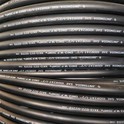
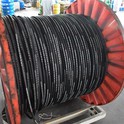
As a supplier of Rubber Hose 1SC, I often encounter inquiries regarding its resistance to microbial growth. This is a crucial aspect, especially in industries where hygiene and product integrity are of utmost importance. In this blog, we will delve into the factors that determine the resistance of Rubber Hose 1SC to microbial growth, explore relevant research, and provide insights for potential buyers.
Understanding Microbial Growth in Rubber Hoses
Microbial growth in rubber hoses can be a significant concern, as it can lead to various issues such as degradation of the hose material, contamination of the fluid being transported, and potential health risks. Microorganisms, including bacteria, fungi, and algae, can thrive in environments that provide suitable conditions such as moisture, nutrients, and a favorable temperature.
Rubber hoses are commonly used in a wide range of applications, including hydraulic systems, food and beverage processing, pharmaceutical manufacturing, and water supply. In these applications, the hoses may come into contact with various fluids, some of which may contain organic matter or nutrients that can support microbial growth. Additionally, the presence of moisture within the hose, either from the fluid being transported or from the surrounding environment, can create an ideal breeding ground for microorganisms.
Factors Affecting the Resistance of Rubber Hose 1SC to Microbial Growth
Several factors influence the resistance of Rubber Hose 1SC to microbial growth. These include the material composition of the hose, the manufacturing process, the operating conditions, and the presence of any additives or treatments.
Material Composition
The type of rubber used in the construction of the hose plays a crucial role in its resistance to microbial growth. Different types of rubber have varying degrees of susceptibility to microbial attack. For example, natural rubber is more prone to microbial degradation compared to synthetic rubbers such as nitrile rubber (NBR), ethylene propylene diene monomer (EPDM), and fluorocarbon rubber (FKM).
Rubber Hose 1SC is typically made from high-quality synthetic rubbers that are selected for their excellent chemical resistance, mechanical properties, and durability. These synthetic rubbers have inherent resistance to microbial growth due to their chemical structure and the absence of easily degradable organic components. Additionally, the use of antioxidants and other stabilizers during the manufacturing process can further enhance the resistance of the rubber to microbial attack.
Manufacturing Process
The manufacturing process of Rubber Hose 1SC also affects its resistance to microbial growth. Proper manufacturing techniques, such as thorough cleaning and sterilization of the raw materials and equipment, can help minimize the introduction of microorganisms into the hose during production. Additionally, the use of extrusion and vulcanization processes at appropriate temperatures and pressures can ensure the formation of a dense and uniform rubber structure that is less susceptible to microbial penetration.
Operating Conditions
The operating conditions of the hose, including temperature, humidity, and the nature of the fluid being transported, can significantly impact its resistance to microbial growth. Microorganisms tend to grow more rapidly in warm and humid environments, so hoses operating in such conditions may be more prone to microbial contamination. Additionally, the presence of certain chemicals or substances in the fluid being transported can either inhibit or promote microbial growth.
For example, in food and beverage processing applications, the use of sanitizing agents or preservatives in the fluid can help prevent microbial growth in the hose. On the other hand, fluids containing high levels of organic matter or nutrients, such as dairy products or fruit juices, can provide a rich source of food for microorganisms and increase the risk of microbial contamination.
Additives and Treatments
To enhance the resistance of Rubber Hose 1SC to microbial growth, manufacturers may incorporate various additives or treatments into the rubber formulation. These additives can include antimicrobial agents, such as silver nanoparticles or organic biocides, which can inhibit the growth of microorganisms on the surface of the hose. Additionally, surface treatments, such as coating the hose with a protective layer or applying a hydrophobic finish, can help prevent the attachment and growth of microorganisms.
Research on the Resistance of Rubber Hose 1SC to Microbial Growth
Although there is limited specific research on the resistance of Rubber Hose 1SC to microbial growth, studies have been conducted on the microbial resistance of similar rubber hoses and materials. These studies have provided valuable insights into the factors that affect microbial growth in rubber hoses and the effectiveness of various strategies for preventing microbial contamination.
For example, a study published in the Journal of Applied Microbiology investigated the microbial growth on different types of rubber hoses used in the food industry. The researchers found that hoses made from synthetic rubbers, such as NBR and EPDM, had lower levels of microbial contamination compared to hoses made from natural rubber. Additionally, the use of antimicrobial additives in the rubber formulation was found to significantly reduce the growth of bacteria and fungi on the surface of the hoses.
Another study conducted by the National Institute of Standards and Technology (NIST) evaluated the effectiveness of different surface treatments in preventing microbial growth on rubber materials. The researchers found that coating the rubber surface with a thin layer of silver nanoparticles or a hydrophobic polymer significantly reduced the attachment and growth of bacteria and fungi.
Practical Considerations for Preventing Microbial Growth in Rubber Hose 1SC
Based on the available research and practical experience, there are several measures that can be taken to prevent microbial growth in Rubber Hose 1SC. These include:
Proper Installation and Maintenance
Proper installation and maintenance of the hose are essential for preventing microbial growth. This includes ensuring that the hose is installed correctly, with no kinks or bends that can trap fluid and create stagnant areas where microorganisms can grow. Additionally, regular inspection and cleaning of the hose can help remove any dirt, debris, or microbial deposits that may accumulate on the surface.
Fluid Management
Proper fluid management is crucial for preventing microbial growth in the hose. This includes using clean and filtered fluids, avoiding the use of fluids that contain high levels of organic matter or nutrients, and regularly changing the fluid to prevent the buildup of contaminants. Additionally, the use of sanitizing agents or preservatives in the fluid can help inhibit the growth of microorganisms.
Environmental Control
Controlling the operating environment of the hose can also help prevent microbial growth. This includes maintaining a clean and dry environment, avoiding exposure to excessive moisture or humidity, and providing adequate ventilation to prevent the buildup of stagnant air. Additionally, the use of temperature control measures, such as insulation or cooling systems, can help keep the hose within a temperature range that is unfavorable for microbial growth.


Conclusion
In conclusion, Rubber Hose 1SC has inherent resistance to microbial growth due to its high-quality synthetic rubber composition, proper manufacturing process, and the use of additives and treatments. However, to ensure optimal performance and prevent microbial contamination, it is important to follow proper installation, maintenance, fluid management, and environmental control practices.
As a supplier of Rubber Hose 1SC, we are committed to providing our customers with high-quality products that meet their specific requirements. Our hoses are manufactured using the latest technology and strict quality control measures to ensure their reliability and durability. If you are interested in purchasing Rubber Hose 1SC or have any questions regarding its resistance to microbial growth, please feel free to contact us for further information and to discuss your procurement needs.
References
- Journal of Applied Microbiology. "Microbial growth on different types of rubber hoses used in the food industry."
- National Institute of Standards and Technology (NIST). "Evaluation of surface treatments for preventing microbial growth on rubber materials."