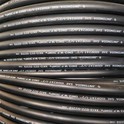
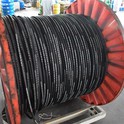
Hey there! As a supplier of Rubber Hose 1SC, I often get asked a bunch of questions about our product. One that comes up a lot is, "Is Rubber Hose 1SC UV - resistant?" Well, let's dig into this topic together.
Understanding Rubber Hose 1SC
First off, let me quickly introduce what Rubber Hose 1SC is. It's a type of hose that's commonly used in various industrial applications. If you're in the market for different types of hoses, you might also want to check out Rubber Hose EN857 and Rubber Industry Hose. These hoses are designed to handle different pressures and substances, and they all play important roles in different industries.
Rubber Hose 1SC is known for its durability and flexibility. It's built to withstand a certain level of wear and tear, and it can handle a decent amount of pressure. But when it comes to UV resistance, things get a bit more complex.
What is UV Resistance?
Ultraviolet (UV) rays from the sun can be pretty harsh on materials. Over time, exposure to UV rays can cause materials to degrade. This means they might become brittle, crack, or lose their strength. For rubber hoses, this could lead to leaks or even complete failure, which is a big problem in industrial settings.
So, UV resistance is all about how well a material can stand up to the damaging effects of UV rays. A UV - resistant rubber hose will be able to maintain its properties for a longer time when exposed to sunlight.
Is Rubber Hose 1SC UV - Resistant?
The short answer is, it depends. Generally speaking, standard Rubber Hose 1SC isn't inherently highly UV - resistant. The natural rubber and other materials used in its construction can be affected by UV rays over time. When exposed to sunlight for long periods, the outer layer of the hose might start to show signs of degradation.
However, we as suppliers can take steps to improve the UV resistance of Rubber Hose 1SC. One way is through the use of additives. By adding certain chemicals to the rubber compound during the manufacturing process, we can enhance its ability to resist UV damage. These additives work by absorbing or reflecting the UV rays, preventing them from causing as much harm to the rubber.
Another option is to use a protective coating. We can apply a special coating on the outside of the hose. This coating acts as a barrier between the rubber and the UV rays. It can significantly extend the lifespan of the hose when it's exposed to sunlight.
Factors Affecting UV Resistance
There are several factors that can affect how well Rubber Hose 1SC stands up to UV rays. The first is the intensity of the UV exposure. Areas with a lot of sunlight, like desert regions or places near the equator, have higher levels of UV radiation. Hoses in these areas will be more likely to experience UV damage compared to those in shadier or less sunny locations.
The duration of exposure also matters. A hose that's left out in the sun for just a few days might not show much damage, but one that's exposed for months or years will definitely be at risk.
The quality of the rubber used in the hose is another important factor. Higher - quality rubber that's been properly processed and formulated is usually more resistant to UV damage than lower - quality rubber. And as I mentioned before, the use of additives and coatings can make a big difference in the hose's UV resistance.


Comparing with Other Hoses
Let's compare Rubber Hose 1SC with Rubber Hose 1SN. Rubber Hose 1SN is also a popular industrial hose. Just like Rubber Hose 1SC, its UV resistance can vary depending on how it's manufactured. In general, both hoses can be made more UV - resistant through the use of additives and coatings. But the specific design and intended use of each hose might mean that one is more suitable for UV - exposed applications than the other.
Real - World Applications
In real - world applications, if you're using Rubber Hose 1SC in an outdoor setting where it will be exposed to sunlight, it's crucial to consider its UV resistance. For example, in construction sites where hoses are used to transfer fluids and are often left out in the open, a UV - resistant hose can save you a lot of trouble. You won't have to replace the hoses as often, which means less downtime and lower costs.
On the other hand, if the hose is used indoors or in a shaded area, UV resistance might not be as big of a concern. But it's still a good idea to choose a hose that has at least some level of UV resistance, just in case it gets accidentally exposed to sunlight.
Making the Right Choice
If you're in the market for Rubber Hose 1SC and you need it to be UV - resistant, here's what you should do. First, talk to your supplier. At our company, we're more than happy to discuss your specific needs. We can tell you if the standard Rubber Hose 1SC we offer has been treated for UV resistance, or we can help you customize a hose with the right level of UV protection.
You should also consider the environment where the hose will be used. Think about the amount of sunlight it will be exposed to, the temperature, and any other factors that might affect the hose's performance.
Contact for Procurement
If you're interested in purchasing Rubber Hose 1SC or have any more questions about its UV resistance or other properties, don't hesitate to reach out. We're here to provide you with the best products and solutions for your industrial hose needs.
References
- Industry Reports on Rubber Hose Materials and UV Resistance
- Technical Data Sheets from Rubber Hose Manufacturers