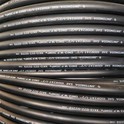
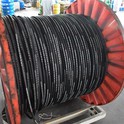
As a supplier of Rubber Hose EN857, I often receive inquiries from customers about the various properties of our products, and one question that has come up frequently is whether Rubber Hose EN857 is resistant to fungi. In this blog post, I will delve into this topic, exploring the factors that affect fungal resistance, the testing methods used to evaluate it, and the practical implications for users of our hoses.
Understanding Rubber Hose EN857
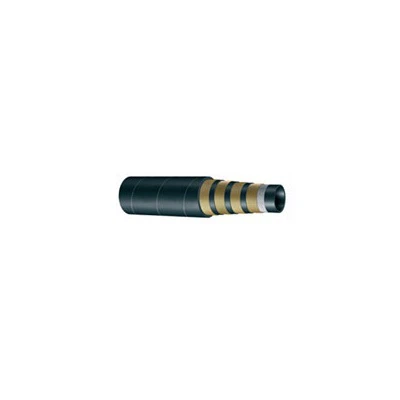
Before we discuss fungal resistance, it's important to have a basic understanding of what Rubber Hose EN857 is. EN857 is a European standard that specifies the requirements for two - wire braid and four - wire spiral reinforced hydraulic rubber hoses. These hoses are widely used in hydraulic systems across various industries, including construction, agriculture, and manufacturing. They are designed to withstand high pressures and harsh operating conditions, making them a critical component in many applications.
There are different types of Rubber Hose EN857, such as the Rubber Hose 1SN and Rubber Hose 4SH. The 1SN hose is a two - wire braid reinforced hose, while the 4SH is a four - wire spiral reinforced hose. Each type has its own specific characteristics and is suitable for different hydraulic applications.
Factors Affecting Fungal Resistance of Rubber Hoses
Several factors can influence the fungal resistance of Rubber Hose EN857. These include the composition of the rubber material, the presence of additives, and the environmental conditions in which the hose is used.
Rubber Material Composition
The type of rubber used in the hose construction plays a significant role in its fungal resistance. Natural rubber, for example, is more susceptible to fungal attack compared to synthetic rubbers such as nitrile rubber (NBR), ethylene propylene diene monomer (EPDM), and chloroprene rubber (CR). Synthetic rubbers have better chemical resistance and are less likely to provide a suitable environment for fungal growth.
Nitrile rubber is commonly used in hydraulic hoses due to its excellent oil resistance. It also has relatively good resistance to fungi, especially when compared to natural rubber. EPDM, on the other hand, is known for its excellent weather resistance and can be more resistant to fungal growth in outdoor applications. Chloroprene rubber offers good resistance to ozone, weather, and fungi, making it a suitable choice for hoses used in harsh environments.
Additives
Manufacturers often add various additives to the rubber compound to improve its performance and durability. Some of these additives can also enhance the fungal resistance of the hose. For example, fungicides can be added to the rubber during the manufacturing process to inhibit the growth of fungi. These fungicides work by either killing the fungi or preventing their growth and reproduction.
However, the use of fungicides must be carefully regulated, as excessive amounts can have a negative impact on the mechanical properties of the rubber. Additionally, some fungicides may be subject to regulatory restrictions due to environmental and health concerns.
Environmental Conditions
The environmental conditions in which the Rubber Hose EN857 is used have a significant impact on its fungal resistance. Fungi thrive in warm, moist, and dark environments. Therefore, hoses that are exposed to high humidity, standing water, or areas with poor ventilation are more likely to be affected by fungal growth.
In outdoor applications, hoses may be exposed to rain, dew, and high humidity, which can create a favorable environment for fungi. In indoor applications, hoses in areas with poor air circulation, such as basements or storage rooms, are also at a higher risk of fungal growth.
Testing for Fungal Resistance
To determine the fungal resistance of Rubber Hose EN857, several testing methods can be used. One common method is the ASTM G21 standard test method for determining the resistance of synthetic polymeric materials to fungi.
In this test, samples of the rubber hose are exposed to a mixture of fungal spores in a controlled environment. The environment is maintained at a specific temperature and humidity to promote fungal growth. After a certain period of exposure, the samples are examined for signs of fungal growth, such as discoloration, surface damage, or the presence of fungal colonies.
The results of the test are typically reported as a rating, indicating the degree of fungal resistance of the material. A higher rating means better fungal resistance. This information is valuable for both manufacturers and users, as it allows them to make informed decisions about the suitability of the hose for specific applications.
Practical Implications of Fungal Resistance
Fungal growth on Rubber Hose EN857 can have several negative consequences. Firstly, it can cause cosmetic damage to the hose, such as discoloration and surface degradation. This may not affect the performance of the hose immediately, but it can be a sign of underlying problems.
Secondly, fungal growth can weaken the structure of the rubber over time. Fungi can break down the rubber polymers, leading to a reduction in the mechanical properties of the hose, such as its tensile strength and flexibility. This can increase the risk of hose failure, which can be dangerous in hydraulic systems, as it can lead to leaks, loss of pressure, and potential equipment damage.

In addition, in some industries, such as food and beverage or pharmaceutical, the presence of fungi on hoses can pose a contamination risk. Therefore, it is crucial to use hoses with good fungal resistance in these applications to ensure product safety.
Our Approach as a Supplier
As a supplier of Rubber Hose EN857, we are committed to providing high - quality hoses with excellent fungal resistance. We carefully select the rubber materials and additives used in our hoses to ensure optimal performance. Our hoses are also tested regularly to meet the relevant standards for fungal resistance.
We offer a wide range of Rubber Industry Hose products that are suitable for different applications and environments. Whether you need a hose for a hydraulic system in a harsh outdoor environment or a clean indoor application, we can provide you with the right solution.
Conclusion and Call to Action
In conclusion, the fungal resistance of Rubber Hose EN857 depends on several factors, including the rubber material composition, additives, and environmental conditions. While some types of rubber are more resistant to fungi than others, proper testing and selection of hoses are essential to ensure long - term performance and safety.
If you are in the market for high - quality Rubber Hose EN857 with excellent fungal resistance, we invite you to contact us for more information. Our team of experts can help you choose the right hose for your specific application and provide you with all the technical support you need. We look forward to working with you and providing you with the best rubber hose solutions.
References
- ASTM G21 - 15(2020). Standard Test Method for Determining Resistance of Synthetic Polymeric Materials to Fungi.
- EN857:2016. Hydraulic fluid power - Two - wire braid and four - wire spiral reinforced hydraulic rubber hoses and hose assemblies.