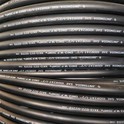
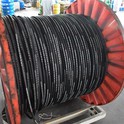
Hey there! As a supplier of Rubber Hose EN857, I often get asked whether these hoses are resistant to solvents. It's a crucial question, especially for those working in industries where solvents are commonly used. So, let's dive right into it and explore the solvent resistance of Rubber Hose EN857.
First off, let's understand what Rubber Hose EN857 is. EN857 is a European standard that specifies the requirements for two - wire braid hydraulic rubber hoses. There are different types of hoses under this standard, such as Rubber Hose 1SN, Rubber Hose 2SC, and Rubber Hose 4SP. These hoses are widely used in hydraulic systems for various applications, including construction machinery, agricultural equipment, and industrial manufacturing.
Now, when it comes to solvent resistance, it's not a one - size - fits - all answer. The solvent resistance of Rubber Hose EN857 depends on several factors, including the type of rubber used in the hose construction, the specific solvent involved, and the operating conditions.
The rubber compounds used in these hoses play a significant role in determining their solvent resistance. Common rubber materials for EN857 hoses include nitrile rubber (NBR), which is known for its good resistance to oils and some solvents. Nitrile rubber has a polar molecular structure that makes it less likely to dissolve or swell in the presence of certain solvents. For example, it can withstand exposure to mineral oils, hydraulic fluids, and some mild solvents. However, it may not be suitable for use with more aggressive solvents such as aromatic hydrocarbons or ketones.
Another factor is the type of solvent. Solvents can be classified into different groups based on their chemical properties, such as polar and non - polar solvents. Polar solvents, like water - based solvents or alcohols, may have a different effect on the rubber compared to non - polar solvents, such as gasoline or diesel. Some solvents can cause the rubber to swell, soften, or even dissolve over time, which can lead to a loss of hose integrity and performance.
The operating conditions also matter a lot. High temperatures, for instance, can accelerate the chemical reactions between the rubber and the solvent, reducing the hose's solvent resistance. Similarly, high pressure can increase the stress on the hose and make it more vulnerable to damage from solvents.
Let's take a closer look at some common solvents and how Rubber Hose EN857 may perform against them.


Mineral Oils and Hydraulic Fluids: Most Rubber Hose EN857 hoses made of nitrile rubber are well - suited for use with mineral oils and common hydraulic fluids. These fluids are the primary media in hydraulic systems, and the hoses are designed to handle them effectively. The nitrile rubber provides a good barrier against these fluids, preventing leakage and maintaining the hose's performance over time.
Aromatic Hydrocarbons: Aromatic hydrocarbons, such as benzene, toluene, and xylene, are highly aggressive solvents. They can cause significant swelling and degradation of nitrile rubber. In most cases, Rubber Hose EN857 hoses made of nitrile rubber are not recommended for use with these solvents. However, there are specialized rubber compounds available that offer better resistance to aromatic hydrocarbons. For example, fluoroelastomers (FKM) can provide excellent resistance to a wide range of solvents, including aromatic hydrocarbons. But these hoses are usually more expensive and may not be necessary for all applications.
Alcohols: Alcohols, such as ethanol and methanol, have a moderate effect on nitrile rubber. In low concentrations and under normal operating conditions, nitrile - based Rubber Hose EN857 hoses can tolerate some exposure to alcohols. However, higher concentrations or prolonged exposure may cause swelling and a decrease in the hose's physical properties.
Ketones: Ketones, like acetone, are very aggressive solvents. They can quickly dissolve or severely damage nitrile rubber. Rubber Hose EN857 hoses made of nitrile rubber are generally not suitable for use with ketones. Specialized rubber materials or coatings may be required if ketone exposure is expected.
So, how can you determine if a Rubber Hose EN857 is suitable for your solvent - containing application? Here are some steps you can take:
- Identify the Solvent: First, you need to know exactly what solvent you'll be using. Check the chemical composition of the solvent and its properties. This information can usually be found on the solvent's safety data sheet (SDS).
- Consult the Manufacturer: Reach out to the hose manufacturer or supplier. We, as a Rubber Hose EN857 supplier, have in - depth knowledge of our products and can provide guidance on the suitability of our hoses for different solvents. We can recommend the right type of rubber compound and hose construction based on your specific requirements.
- Conduct Compatibility Tests: In some cases, it may be necessary to conduct compatibility tests. This involves exposing a sample of the hose to the solvent under controlled conditions and monitoring its performance over time. Look for signs of swelling, cracking, or loss of strength. These tests can give you a more accurate idea of how the hose will perform in your actual application.
In conclusion, the solvent resistance of Rubber Hose EN857 is a complex issue that depends on multiple factors. While some hoses may be resistant to certain solvents, others may require specialized materials or coatings. It's essential to do your homework, consult with experts, and conduct appropriate tests to ensure that you choose the right hose for your solvent - containing application.
If you're in the market for Rubber Hose EN857 and need help with solvent compatibility or any other questions, don't hesitate to get in touch. We're here to assist you in finding the best hose solution for your needs. Whether you're working on a small - scale project or a large - scale industrial application, we can provide high - quality hoses that meet your requirements. Contact us today to start a conversation about your procurement needs.
References:
- "Handbook of Elastomers" by A. K. Bhowmick and H. L. Stephens
- "Rubber Technology" by Maurice Morton