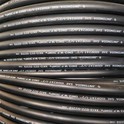
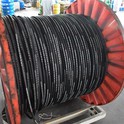
As a supplier of RUBBER Hose SAE R16, I often get asked about the working pressure of this particular type of hose. Understanding the working pressure is crucial as it determines the hose's suitability for different applications. In this blog post, I'll delve into the details of the working pressure of RUBBER Hose SAE R16 and provide you with some valuable insights.
Understanding Working Pressure
The working pressure of a hose refers to the maximum pressure at which the hose can safely operate continuously. It is a critical parameter because exceeding the working pressure can lead to hose failure, which may cause leaks, bursts, and potentially dangerous situations in hydraulic systems. For RUBBER Hose SAE R16, the working pressure is determined by several factors, including the hose's construction, materials, and dimensions.
Construction and Materials
The RUBBER Hose SAE R16 is designed according to the SAE (Society of Automotive Engineers) standards, which ensure a certain level of quality and performance. This type of hose typically consists of an inner tube, reinforcement layers, and an outer cover. The inner tube is usually made of oil - resistant synthetic rubber, which is designed to handle hydraulic fluids without degradation.
The reinforcement layer is the key component that determines the hose's pressure - handling capacity. RUBBER Hose SAE R16 features multiple layers of high - strength steel wire braid. These braids are carefully designed and arranged to distribute the pressure evenly across the hose, preventing weak points that could lead to failure. The outer cover is made of abrasion - resistant and weather - resistant rubber, protecting the inner components from external damage.
Pressure Ratings
The working pressure of RUBBER Hose SAE R16 varies depending on its size. Generally, for smaller sizes, the working pressure can be relatively high. For example, hoses with a smaller inner diameter (ID) can handle pressures up to 5,000 psi (pounds per square inch) or more. As the ID increases, the working pressure may decrease slightly due to the larger surface area over which the pressure is applied.
However, it's important to note that these are general guidelines, and the exact working pressure for a specific RUBBER Hose SAE R16 should be determined by referring to the manufacturer's specifications. These specifications take into account all the factors related to the hose's construction and materials, ensuring accurate and safe pressure ratings.
Importance of Adhering to Working Pressure
Adhering to the recommended working pressure of RUBBER Hose SAE R16 is of utmost importance. Using a hose at a pressure higher than its rated working pressure can cause the reinforcement layers to stretch beyond their limits, leading to a weakened structure. Over time, this can result in cracks, leaks, or even a complete rupture of the hose.
In hydraulic systems, a hose failure can have serious consequences. It can lead to loss of hydraulic fluid, which may cause equipment to malfunction or stop working altogether. In industrial settings, this can result in downtime, costly repairs, and potential safety hazards for workers. Therefore, always ensure that the working pressure of your RUBBER Hose SAE R16 is within the specified limits.
Comparing with Other Hose Types
It's interesting to compare the working pressure of RUBBER Hose SAE R16 with other similar hose types. For example, RUBBER Hose SAE R17 is another type of hydraulic hose. While both R16 and R17 are designed for high - pressure applications, the R17 may have different performance characteristics. The R17 may have a different reinforcement structure or materials, which can affect its working pressure, flexibility, and durability.
Rubber Hose 2SN is also a popular hose in hydraulic systems. It is often used in applications where high - pressure resistance is required. Compared to RUBBER Hose SAE R16, the 2SN hose may have a different pressure rating and construction. The 2SN usually has a double - wire braid construction, which provides a balance between flexibility and pressure - handling capacity.
RUBBER Hose SAE R13 is yet another option. It is designed for specific applications and has its own set of working pressure requirements. Understanding the differences between these hose types can help you choose the right one for your specific needs.
Applications of RUBBER Hose SAE R16
RUBBER Hose SAE R16 is widely used in various industries, including construction, agriculture, and manufacturing. In construction equipment, such as excavators and loaders, these hoses are used to transfer hydraulic fluid to power different functions, such as the movement of the boom and the operation of the bucket. The high working pressure of RUBBER Hose SAE R16 ensures that the equipment can operate efficiently and safely under heavy loads.
In the agricultural sector, tractors and other farm machinery rely on hydraulic systems for functions like steering, lifting, and operating implements. RUBBER Hose SAE R16 provides the necessary pressure - handling capacity to ensure smooth operation in these demanding environments.
In manufacturing, hydraulic presses and other machinery use these hoses to generate and control high - pressure forces. The reliability of RUBBER Hose SAE R16 is crucial in maintaining the productivity of these operations.
Factors Affecting Working Pressure in Real - World Applications
In addition to the hose's inherent design and construction, there are several real - world factors that can affect the working pressure of RUBBER Hose SAE R16. Temperature is one such factor. High temperatures can cause the rubber materials in the hose to expand and lose some of their elasticity, which may reduce the hose's ability to withstand pressure. Conversely, low temperatures can make the rubber more brittle, increasing the risk of cracking.


Fluid compatibility is also important. Some hydraulic fluids may have chemical properties that can degrade the rubber over time. If the wrong fluid is used, it can weaken the hose's structure and lower its working pressure.
Installation and routing of the hose can also impact its performance. Incorrect installation, such as excessive bending or twisting, can create stress points in the hose, reducing its pressure - bearing capacity. Proper routing, on the other hand, ensures that the hose is not subjected to unnecessary stress and can operate at its optimal working pressure.
Choosing the Right RUBBER Hose SAE R16
When choosing a RUBBER Hose SAE R16 for your application, it's essential to consider the required working pressure, along with other factors such as the fluid type, temperature range, and environmental conditions. Make sure to choose a hose that meets or exceeds your specific requirements.
It's also important to source your hoses from a reliable supplier. A reputable supplier can provide you with accurate product information, including the working pressure ratings, and ensure that the hoses are of high quality and comply with the relevant standards.
Contact for Procurement
If you're in the market for RUBBER Hose SAE R16, I'm here to assist you. As a professional supplier, I can offer you a wide range of high - quality RUBBER Hose SAE R16 products that meet your specific needs. Whether you need hoses for construction equipment, agricultural machinery, or manufacturing applications, I have the expertise and inventory to provide you with the right solutions. Contact me to discuss your requirements and start the procurement process.
References
- Society of Automotive Engineers (SAE) standards for hydraulic hoses.
- Manufacturer's specifications for RUBBER Hose SAE R16.