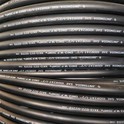
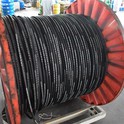
As a supplier of RUBBER Hose SAE R13, I often receive various inquiries from customers. One question that has been coming up more frequently lately is whether RUBBER Hose SAE R13 is resistant to radiation. In this blog post, I will delve into this topic based on scientific knowledge and our experience in the industry.
Understanding RUBBER Hose SAE R13
Before we discuss radiation resistance, let's first understand what RUBBER Hose SAE R13 is. RUBBER Hose SAE R13 is a type of hydraulic rubber hose that conforms to the SAE J517 standard. This standard defines the requirements for different types of hydraulic hoses in terms of their construction, performance, and dimensions. RUBBER Hose SAE R13 is designed for high - pressure hydraulic applications, typically used in heavy - duty machinery, construction equipment, and industrial hydraulic systems.
It usually consists of an inner tube made of synthetic rubber, which is designed to be compatible with various hydraulic fluids. Surrounding the inner tube are multiple layers of reinforcement, often made of high - strength steel wire braids or spirals. The outer cover is also made of rubber, which provides protection against abrasion, weathering, and other environmental factors.
The Nature of Radiation
Radiation can be classified into different types, such as electromagnetic radiation (e.g., gamma rays, X - rays) and particulate radiation (e.g., alpha particles, beta particles). Each type of radiation has different characteristics and levels of energy.
Gamma rays and X - rays are high - energy electromagnetic waves that can penetrate deeply into materials. They can cause ionization of atoms and molecules in the material they pass through, which can lead to chemical and physical changes in the material. Alpha particles are relatively large and heavy, consisting of two protons and two neutrons. They have a short range in air and can be stopped by a thin layer of material. Beta particles are electrons or positrons and have a greater range than alpha particles but are still less penetrating than gamma rays.
Factors Affecting Radiation Resistance of Rubber Hoses
When it comes to the radiation resistance of RUBBER Hose SAE R13, several factors need to be considered:
Material Composition
The type of rubber used in the inner tube and outer cover is crucial. Some synthetic rubbers have better radiation resistance than others. For example, certain types of silicone rubber are known for their relatively good radiation resistance compared to natural rubber. The additives and fillers in the rubber formulation can also affect radiation resistance. Some additives can act as radiation - absorbing agents, reducing the damage caused by radiation.
Reinforcement Materials
The reinforcement materials, such as steel wire braids or spirals, also play a role. Metals generally have different responses to radiation compared to rubber. High - energy radiation can cause changes in the mechanical properties of metals, such as embrittlement or changes in their crystal structure. However, the metal reinforcement in RUBBER Hose SAE R13 also provides some shielding effect against particulate radiation.
Radiation Dose and Exposure Time
The amount of radiation (radiation dose) and the duration of exposure are important factors. Low - level radiation exposure over a long period may have different effects compared to a high - dose, short - term exposure. High - dose radiation can cause more severe damage to the rubber and reinforcement materials, leading to cracking, loss of elasticity, and degradation of mechanical properties.
Is RUBBER Hose SAE R13 Resistant to Radiation?
In general, RUBBER Hose SAE R13 is not specifically designed to be highly resistant to radiation. The standard formulation of the rubber used in these hoses is optimized for hydraulic fluid compatibility, pressure resistance, and abrasion resistance. However, this does not mean that it has no radiation resistance at all.
The outer rubber cover can provide some protection against low - level radiation and particulate radiation. The steel reinforcement can also act as a shield to some extent, especially against alpha and beta particles. But when it comes to high - energy gamma rays or long - term exposure to significant radiation levels, the performance of RUBBER Hose SAE R13 may degrade.
The inner tube, which is in contact with the hydraulic fluid, may also be affected by radiation. Radiation can cause chemical changes in the hydraulic fluid, which in turn can affect the compatibility between the fluid and the inner tube rubber. This can lead to swelling, softening, or hardening of the inner tube, ultimately affecting the performance of the hose.
Comparing with Other Rubber Hoses
If radiation resistance is a critical requirement, customers may consider other types of rubber hoses. For example, RUBBER Hose SAE R2AT and RUBBER Hose SAE R1AT may have different material compositions that could potentially offer better radiation resistance. However, these hoses are also designed for specific applications within the hydraulic system, and their overall performance needs to be evaluated based on the specific requirements of the project.
Our Durable Hydraulic Rubber Hose series may also be an option. These hoses are engineered to provide enhanced durability in various environments, and depending on the specific formulation, they may offer improved radiation resistance compared to standard RUBBER Hose SAE R13.
Testing and Evaluation
To accurately determine the radiation resistance of RUBBER Hose SAE R13, specific testing needs to be conducted. This can involve exposing samples of the hose to different types and levels of radiation in a controlled environment. After exposure, the physical and mechanical properties of the hose, such as tensile strength, elongation at break, hardness, and fluid compatibility, can be measured and compared to the pre - exposure values.
We can also work with customers to customize the formulation of RUBBER Hose SAE R13 to improve its radiation resistance if required. By adding specific radiation - resistant additives or using different types of rubber, we can potentially enhance the hose's ability to withstand radiation.


Conclusion and Call to Action
In conclusion, while RUBBER Hose SAE R13 has some inherent resistance to radiation, it is not designed as a highly radiation - resistant product. If your application involves exposure to significant levels of radiation, it is important to carefully evaluate the requirements and consider alternative solutions or customized formulations.
As a leading supplier of RUBBER Hose SAE R13, we have the expertise and resources to assist you in finding the most suitable hose for your needs. Whether you need a standard RUBBER Hose SAE R13 or a customized solution with improved radiation resistance, we are here to help. Contact us to discuss your specific requirements and start a procurement negotiation. We look forward to working with you to provide high - quality hydraulic hoses that meet your expectations.
References
- SAE J517 Standard - Hydraulic Hose Assemblies
- Textbooks on radiation physics and materials science
- Industry reports on the performance of rubber hoses in different environments