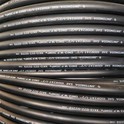
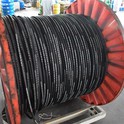
Hey there! As a supplier of RUBBER Hose SAE R17, I often get asked if this type of hose is suitable for use in cold environments. It's a crucial question, especially for industries that operate in chilly conditions, like construction, mining, and agriculture. So, let's dig into this topic and find out if RUBBER Hose SAE R17 can stand the cold.
Understanding RUBBER Hose SAE R17
First off, let's quickly go over what RUBBER Hose SAE R17 is. It's a high - pressure hydraulic hose that meets the standards set by the Society of Automotive Engineers (SAE). This hose is designed to handle a good amount of pressure and is commonly used in hydraulic systems for various heavy - duty applications. It usually consists of an inner tube, reinforcement layers, and an outer cover. The inner tube is what the fluid (usually hydraulic oil) flows through, the reinforcement layers give the hose its strength, and the outer cover protects the hose from external damage.
The Impact of Cold Environments on Hoses
Cold temperatures can have several effects on rubber hoses. When it gets cold, rubber tends to become stiffer. This stiffness can reduce the flexibility of the hose, making it harder to bend and install. In extreme cases, a very stiff hose might crack if it's bent too much.
Another issue is that cold can also affect the seals at the ends of the hose. If the seals become brittle, they may not form a proper seal, which can lead to leaks. And leaks in a hydraulic system are a big no - no, as they can cause a loss of pressure, reduced system efficiency, and even pose a safety hazard.
How RUBBER Hose SAE R17 Performs in the Cold
Now, let's talk about how RUBBER Hose SAE R17 specifically fares in cold environments. The performance of this hose in the cold depends on a few factors.
Material Composition
The rubber used in the inner tube and outer cover of RUBBER Hose SAE R17 plays a big role. Some types of rubber are more cold - resistant than others. For example, hoses made with certain synthetic rubbers can maintain their flexibility better in cold temperatures compared to natural rubber. The reinforcement layers also matter. High - quality reinforcement materials can help the hose maintain its shape and strength even when the rubber gets stiff.
Design Features
The design of the hose can also affect its cold - weather performance. A well - designed RUBBER Hose SAE R17 will have proper insulation and protection to minimize the impact of cold on the inner components. Some hoses may have additional layers or coatings that help to keep the temperature inside the hose more stable.
In general, RUBBER Hose SAE R17 can perform reasonably well in moderately cold environments. If the temperature doesn't drop too low, say above - 20°C (- 4°F), the hose should still be able to function without major issues. The stiffness might increase a bit, but it should still be flexible enough for most applications.
However, in extremely cold environments, say below - 40°C (- 40°F), the performance of RUBBER Hose SAE R17 can start to decline. The hose may become very stiff, and there's a higher risk of cracking or seal failure.
Comparing with Other Hoses
It's also useful to compare RUBBER Hose SAE R17 with other types of hoses when it comes to cold - weather performance. For example, RUBBER Hose SAE R9 is known for its excellent flexibility and can sometimes perform better in cold conditions due to its specific material and design. On the other hand, RUBBER Hose SAE R13 is designed for high - pressure applications and may have different cold - weather characteristics. And RUBBER Hose SAE R2AT is another option that you might consider depending on your specific needs in a cold environment.
Tips for Using RUBBER Hose SAE R17 in Cold Environments
If you plan to use RUBBER Hose SAE R17 in cold environments, here are some tips to ensure its proper performance:


Pre - installation Checks
Before installing the hose, make sure to check it for any signs of damage. Look for cracks, cuts, or other visible issues. Also, let the hose warm up to a reasonable temperature if it has been stored in a very cold place. This can help to make it more flexible and easier to install.
Insulation
Consider using insulation around the hose. There are various types of insulation materials available that can help to keep the hose warmer and reduce the impact of cold temperatures.
Regular Maintenance
In cold environments, it's even more important to perform regular maintenance on the hydraulic system. Check the hoses for leaks, inspect the seals, and make sure the hose is still in good condition. If you notice any problems, replace the hose or the seals as soon as possible.
Conclusion
So, is RUBBER Hose SAE R17 suitable for use in cold environments? The answer is that it can be, but it depends on the severity of the cold. In moderately cold conditions, it should work fine with proper installation and maintenance. However, in extremely cold environments, you may need to take extra precautions or consider other types of hoses.
If you're in the market for RUBBER Hose SAE R17 or have any questions about its performance in cold environments, I'd love to chat. Whether you're working on a small construction project or a large - scale industrial operation, finding the right hose for your needs is crucial. Reach out to me to discuss your requirements and we can figure out the best solution together.
References
- SAE International Standards for Hydraulic Hoses
- Industry research on the effects of cold temperatures on rubber hoses