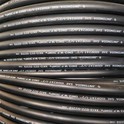
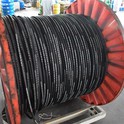
As a supplier of Rubber Hose EN853, I've gained extensive hands - on experience with these products over the years. While Rubber Hose EN853 is widely used in the hydraulic industry for its reliability and performance, it's essential to be aware of its limitations. This knowledge not only helps customers make informed decisions but also allows us to offer more tailored solutions.
1. Temperature Limitations
One of the significant limitations of Rubber Hose EN853 is its temperature tolerance. These hoses are typically designed to operate within a specific temperature range. Most commonly, the working temperature for Rubber Hose EN853 ranges from -40°C to +100°C. However, this can vary depending on the specific compound used in the hose's construction.
When exposed to temperatures outside this range, the rubber material can experience significant degradation. At extremely low temperatures, the rubber becomes brittle. This brittleness makes the hose more prone to cracking and failure, especially under pressure. For example, in cold - climate industries such as arctic oil exploration or winter construction, if the hoses are not properly insulated or protected, the low - temperature brittleness can lead to sudden leaks or bursts, causing costly downtime and potential safety hazards.
On the other hand, high temperatures can cause the rubber to soften and lose its mechanical strength. The hose may start to swell, and the internal pressure - holding capacity can be compromised. In high - temperature environments like industrial furnaces or engine compartments, the excessive heat can accelerate the aging process of the rubber, reducing the hose's lifespan and increasing the risk of failure.
2. Chemical Compatibility
Rubber Hose EN853 is not universally compatible with all types of hydraulic fluids and chemicals. The rubber compounds used in these hoses are formulated to be compatible with common hydraulic oils, but when exposed to certain aggressive chemicals, they can deteriorate rapidly.
For instance, some synthetic hydraulic fluids, solvents, and fuels can have a detrimental effect on the rubber. These chemicals can cause the rubber to swell, dissolve, or become embrittled. When the rubber swells, it can lead to an increase in the internal diameter of the hose, which may affect the flow rate and pressure distribution in the hydraulic system. In severe cases, the chemical attack can weaken the hose structure to the point where it fails under normal operating conditions.
Customers need to carefully consider the chemical environment in which the hoses will be used. If the application involves contact with non - standard hydraulic fluids or chemicals, they should consult with us to determine if a different type of hose, such as Rubber Hose EN856 or Rubber Hose EN857, which may have better chemical resistance, is more suitable.
3. Pressure Limitations
Although Rubber Hose EN853 is designed to withstand high pressures, there are still limits to its pressure - holding capacity. Each hose is rated for a specific maximum working pressure, which is determined by factors such as the hose's construction, the number of reinforcement layers, and the quality of the rubber compound.
Exceeding the maximum working pressure can lead to catastrophic failure of the hose. The reinforcement layers may rupture, causing the hose to burst and release hydraulic fluid at high velocity. This not only poses a significant safety risk to personnel in the vicinity but can also damage other components in the hydraulic system.
It's crucial for users to ensure that the pressure in the hydraulic system is always within the rated capacity of the Rubber Hose EN853. In applications where the pressure requirements are close to or exceed the rated pressure of the standard hoses, we may recommend using higher - pressure rated hoses like Rubber Hose 2SC.
4. Abrasion Resistance
In many industrial applications, hoses are exposed to abrasive environments. Rubber Hose EN853 has a certain level of abrasion resistance, but it may not be sufficient for all situations.
When the hose rubs against rough surfaces, sharp edges, or other moving parts, the outer rubber layer can wear down over time. As the outer layer wears, it exposes the inner reinforcement layers, which are more vulnerable to damage. Once the reinforcement layers are compromised, the hose's strength and pressure - holding capacity are significantly reduced.
In industries such as mining, construction, and agriculture, where hoses are often dragged across the ground or come into contact with rocks and debris, additional abrasion protection may be required. This can include using hose guards or selecting hoses with a more abrasion - resistant outer cover.
5. Flexibility and Bend Radius
Another limitation of Rubber Hose EN853 is related to its flexibility and minimum bend radius. The hose needs to be flexible enough to be installed in various hydraulic systems, but it also has a minimum bend radius that must be maintained.
If the hose is bent beyond its minimum bend radius, it can cause kinking. Kinking restricts the flow of hydraulic fluid through the hose, leading to a decrease in system efficiency. Additionally, kinking can cause internal damage to the hose, such as damage to the reinforcement layers, which can ultimately lead to premature failure.


When designing a hydraulic system, it's important to ensure that there is enough space for the hoses to be installed without exceeding their minimum bend radius. In some cases, if the installation space is limited, more flexible hoses or hose - bending techniques may need to be considered.
6. Long - Term Aging and Fatigue
Like all rubber products, Rubber Hose EN853 is subject to long - term aging and fatigue. Over time, exposure to factors such as heat, oxygen, sunlight, and mechanical stress can cause the rubber to deteriorate.
The aging process can lead to a loss of elasticity, hardening of the rubber, and cracking. Fatigue, which is caused by repeated cycles of pressure and flexing, can also weaken the hose structure. These effects are more pronounced in hoses that are used in harsh environments or subjected to high - frequency operations.
Regular inspection and maintenance of the hoses are essential to detect signs of aging and fatigue early. Customers should replace hoses that show significant signs of wear and tear to prevent unexpected failures.
Conclusion
While Rubber Hose EN853 is a reliable and widely used product in the hydraulic industry, it has its limitations. By being aware of these limitations, customers can make more informed decisions when selecting hoses for their applications. As a supplier, we are committed to providing our customers with the best possible solutions. If you have any questions or need help in choosing the right hose for your specific needs, please do not hesitate to contact us for procurement discussions. We can offer expert advice and high - quality products to ensure the smooth operation of your hydraulic systems.
References
- "Hydraulic Hose Handbook", Industry Standard Publication
- "Rubber Material Science and Applications in Hydraulic Systems", Academic Research Paper