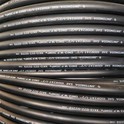
SAE R15 rubber hoses are a crucial component in various hydraulic systems, known for their high - pressure resistance and durability. As a supplier of RUBBER Hose SAE R15, I've encountered numerous inquiries about the markings on these hoses. In this blog, I'll delve into the significance of these markings, what they represent, and why they matter in the context of hydraulic applications.
Understanding SAE Standards
The Society of Automotive Engineers (SAE) has established a set of standards for hydraulic rubber hoses, including the R15 specification. These standards ensure that hoses meet certain performance and safety criteria. The SAE R15 standard, in particular, pertains to four - wire braid hydraulic hoses designed for high - pressure applications.
Key Markings on SAE R15 Rubber Hoses
1. SAE Specification
The most prominent marking on an SAE R15 rubber hose is the "SAE R15" itself. This indicates that the hose has been manufactured to meet the specific requirements of the SAE R15 standard. It assures users that the hose has undergone rigorous testing and meets the necessary performance criteria for high - pressure hydraulic systems. For instance, SAE R15 hoses are designed to handle working pressures that can reach up to 6000 psi, making them suitable for heavy - duty applications such as construction equipment, agricultural machinery, and industrial hydraulic systems.

2. Hose Size
Another important marking is the hose size. It is typically indicated by a dash number followed by a measurement. For example, a marking like "-08" might be present on the hose. The dash number represents the inside diameter (ID) of the hose in 1/16 - inch increments. So, a "-08" hose has an inside diameter of 8/16 or 1/2 inch. This information is crucial for ensuring proper fluid flow within the hydraulic system. Using a hose with the wrong size can lead to inefficient operation, increased pressure drop, and potential damage to the system.

3. Working Pressure Rating
The working pressure rating is marked on the hose to indicate the maximum pressure that the hose can safely handle during normal operation. This marking is usually given in pounds per square inch (psi) or megapascals (MPa). For SAE R15 hoses, as mentioned earlier, the working pressure can be quite high, often up to 6000 psi. It's essential to always operate the hose within its specified pressure rating to prevent hose failure, which could result in leaks, equipment damage, or even injury.
4. Manufacturer Information
The name or logo of the hose manufacturer is also marked on the hose. This provides users with information about the source of the product and can be useful for warranty claims, technical support, and quality assurance. Reputable manufacturers like us ensure that our SAE R15 hoses are produced using high - quality materials and advanced manufacturing processes to meet or exceed the SAE standards.
5. Date Code
A date code is often included on the hose marking. This code indicates the date of manufacture, usually in a format that includes the month and year. Knowing the manufacturing date is important for maintenance and replacement schedules. Hoses have a finite lifespan, and over time, their performance can degrade due to factors such as exposure to heat, chemicals, and pressure cycling. By referring to the date code, users can determine when it's time to replace the hose to prevent potential failures.
Comparison with Other SAE Hose Types
It's also worth comparing SAE R15 hoses with other SAE hose types, such as [RUBBER Hose SAE R12](/hydraulic - rubber - hose - sae - j517/rubber - hose - sae - r12.html) and [RUBBER Hose SAE R1AT](/hydraulic - rubber - hose - sae - j517/rubber - hose - sae - r1at.html).
SAE R12 hoses are two - wire braid hoses, which means they have a lower pressure - handling capacity compared to SAE R15 hoses. They are typically used in medium - pressure applications. The markings on SAE R12 hoses will also include the SAE R12 specification, along with hose size, working pressure rating, and other relevant information, but the pressure rating will be lower than that of SAE R15 hoses.
On the other hand, SAE R1AT hoses are single - wire braid hoses designed for low - pressure applications. Their markings will reflect their lower pressure capabilities and are suitable for less demanding hydraulic systems.
Importance of Correct Markings
The markings on SAE R15 rubber hoses play a vital role in ensuring the safe and efficient operation of hydraulic systems. Here's why:
1. Safety
Proper markings help users select the right hose for their specific application. Using a hose with an incorrect pressure rating or size can lead to dangerous situations, such as hose bursts or leaks. By following the markings, users can ensure that the hose can withstand the pressures and flow rates of their hydraulic system, minimizing the risk of accidents.
2. Compatibility
The markings also assist in ensuring compatibility with other components in the hydraulic system. For example, the hose size marking helps in selecting the appropriate fittings and connectors. If the hose size is not correctly matched with the fittings, it can result in poor connections, leaks, and reduced system performance.

3. Maintenance and Replacement
The date code and other markings provide valuable information for maintenance and replacement schedules. Regular inspection of the hoses, along with referring to the markings, allows users to identify when a hose is approaching the end of its useful life and needs to be replaced. This proactive approach helps in preventing unexpected breakdowns and costly repairs.

Quality Assurance in Marking
As a supplier of [RUBBER Hose SAE R15](/hydraulic - rubber - hose - sae - j517/rubber - hose - sae - r15.html), we take great care in ensuring that our hoses are accurately marked. Our manufacturing process includes strict quality control measures to verify the markings on each hose. We use high - quality ink and marking techniques to ensure that the markings are clear, durable, and will not fade or wear off over time. This ensures that our customers can rely on the markings for accurate information throughout the life of the hose.
Conclusion
In conclusion, the markings on SAE R15 rubber hoses are essential for ensuring the safe, efficient, and reliable operation of hydraulic systems. They provide crucial information about the hose's specifications, size, pressure rating, and manufacturing date. By understanding these markings, users can make informed decisions when selecting, installing, and maintaining SAE R15 hoses.
If you're in the market for high - quality SAE R15 rubber hoses, we invite you to contact us for a detailed discussion about your specific requirements. Our team of experts is ready to assist you in finding the right hoses for your hydraulic applications. Whether you need hoses for a small - scale industrial project or a large - scale construction equipment fleet, we have the products and knowledge to meet your needs. Reach out to us to start the procurement process and experience the difference of working with a reliable SAE R15 hose supplier.
References
- Society of Automotive Engineers (SAE) standards documentation for hydraulic rubber hoses.
- Industry best practices for hydraulic system design and maintenance.