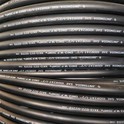
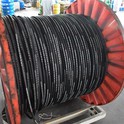
When it comes to the question of whether RUBBER Hose SAE R15 can be used in nuclear power plants, we need to delve into a detailed analysis from multiple perspectives. As a supplier of RUBBER Hose SAE R15, I am well - versed in the properties of this product and the unique requirements of nuclear power plants.
I. Understanding RUBBER Hose SAE R15
RUBBER Hose SAE R15 is a type of hydraulic rubber hose that conforms to the SAE J517 standard. It is designed to handle high - pressure hydraulic applications. The hose typically consists of an inner tube, reinforcement layers, and an outer cover. The inner tube is usually made of synthetic rubber, which is resistant to various hydraulic fluids. The reinforcement layers, often made of high - strength steel wire braids, provide the hose with the necessary pressure - bearing capacity. The outer cover protects the inner structure from environmental factors such as abrasion, ozone, and weathering.
Compared with other similar hoses in the SAE J517 series, like [RUBBER Hose SAE R13](/hydraulic - rubber - hose - sae - j517/rubber - hose - sae - r13.html) and [RUBBER Hose SAE R12](/hydraulic - rubber - hose - sae - j517/rubber - hose - sae - r12.html), RUBBER Hose SAE R15 offers some distinct advantages. It has a higher pressure rating and better flexibility, which makes it suitable for applications where high - pressure fluid transfer is required in confined spaces.
II. Requirements for Hoses in Nuclear Power Plants
Nuclear power plants have extremely strict requirements for the materials and components used in their systems. The safety and reliability of these components are of utmost importance to prevent any potential nuclear accidents.
A. Radiation Resistance
One of the most critical factors is radiation resistance. Nuclear power plants generate a significant amount of radiation. Hoses used in these facilities must be able to withstand long - term exposure to radiation without significant degradation of their physical and chemical properties. Radiation can cause the rubber materials in hoses to become brittle, crack, or lose their elasticity, which can lead to leaks and system failures.
B. Temperature and Pressure Stability
Nuclear power plants operate under high - temperature and high - pressure conditions. Hoses need to maintain their integrity and performance over a wide range of temperatures and pressures. They must be able to resist thermal expansion and contraction without causing any damage to the hose structure or the connection points.
C. Chemical Compatibility
The hoses must be chemically compatible with the fluids used in the nuclear power plant systems. These fluids can include coolant, lubricants, and various chemical agents. Any chemical reaction between the hose material and the fluid can lead to corrosion, degradation of the hose, and potential leakage.

D. Fire Resistance
Fire safety is also a major concern in nuclear power plants. Hoses should have good fire - resistant properties to prevent the spread of fire in case of an accident.
III. Analysis of RUBBER Hose SAE R15 for Nuclear Power Plant Use
A. Radiation Resistance
The standard RUBBER Hose SAE R15 may not have sufficient radiation resistance for direct use in high - radiation areas of nuclear power plants. The synthetic rubber used in the inner tube and outer cover can be affected by radiation. However, with the development of new materials and manufacturing processes, it is possible to modify the rubber formulation to enhance its radiation resistance. For example, adding radiation - resistant additives to the rubber compound can improve its ability to withstand radiation exposure.

B. Temperature and Pressure Stability
RUBBER Hose SAE R15 is designed for high - pressure hydraulic applications, which means it has a certain level of pressure - bearing capacity. However, the high - temperature environment in nuclear power plants may pose a challenge. The rubber materials may start to soften or degrade at high temperatures, reducing the hose's performance and safety. Special heat - resistant rubber materials can be used to improve the temperature stability of the hose.
C. Chemical Compatibility
The chemical compatibility of RUBBER Hose SAE R15 depends on the specific fluids used in the nuclear power plant. The inner tube material of the hose is usually selected to be compatible with common hydraulic fluids. However, in nuclear power plants, there may be some special chemicals or coolant fluids. A thorough chemical compatibility test should be conducted to ensure that the hose can work properly without any chemical reactions.
D. Fire Resistance
The standard RUBBER Hose SAE R15 may not have excellent fire - resistant properties. To meet the fire - safety requirements of nuclear power plants, fire - retardant materials can be used in the outer cover of the hose. These materials can slow down the spread of fire and reduce the risk of fire - related accidents.
IV. Potential Modifications and Customization
As a supplier of RUBBER Hose SAE R15, we understand the specific needs of nuclear power plants. We can offer customized solutions to meet the strict requirements of these facilities.

A. Material Selection
We can select special rubber materials with better radiation resistance, temperature stability, and chemical compatibility. For example, some high - performance synthetic rubbers, such as fluorocarbon rubber, have excellent resistance to radiation, high temperatures, and various chemicals.
B. Manufacturing Process Improvement
We can improve the manufacturing process to enhance the overall performance of the hose. This may include optimizing the reinforcement layer structure to improve the pressure - bearing capacity and using advanced vulcanization techniques to improve the rubber's physical properties.
C. Testing and Certification
We will conduct comprehensive testing on the customized RUBBER Hose SAE R15 to ensure that it meets all the requirements of nuclear power plants. This includes radiation resistance testing, temperature and pressure cycling tests, and chemical compatibility tests. Once the hose passes all the tests, we can obtain relevant certifications to prove its quality and safety.
V. Conclusion
In conclusion, the standard RUBBER Hose SAE R15 may not be directly suitable for use in nuclear power plants due to the strict requirements of radiation resistance, temperature and pressure stability, chemical compatibility, and fire resistance. However, with proper modifications and customization, it is possible to make RUBBER Hose SAE R15 meet the needs of nuclear power plants.

As a professional supplier of [RUBBER Hose SAE R15](/hydraulic - rubber - hose - sae - j517/rubber - hose - sae - r15.html), we are committed to providing high - quality and customized solutions for nuclear power plants. If you are interested in our products or have any specific requirements for hoses in nuclear power plant applications, please feel free to contact us for further discussion and procurement negotiation. We look forward to working with you to ensure the safety and reliability of your nuclear power plant systems.
References
- SAE J517 Standard for Hydraulic Rubber Hoses
- Research papers on radiation - resistant rubber materials
- Industry reports on nuclear power plant component requirements