Hey there! As a supplier of Rubber Hose 1SN, I've seen my fair share of hoses in different conditions. Today, I'm gonna chat about the repair methods for Rubber Hose 1SN.
First off, let's understand why Rubber Hose 1SN is so important. It's widely used in various industries due to its great flexibility, pressure resistance, and durability. Whether it's for hydraulic systems in construction equipment or in industrial machinery, it plays a crucial role. But like any other product, it can get damaged over time.
Common Damages and Causes
There are several common issues that can happen to Rubber Hose 1SN. One of the most frequent ones is abrasion. When the hose is in constant contact with rough surfaces or other moving parts, the outer layer of the hose can wear down. This could lead to the exposure of the reinforcement layer, which weakens the overall strength of the hose.
Another common problem is leakage. This can be caused by improper fitting of the hose ends, cracks in the hose body, or damage to the sealing components. High - pressure applications can also exacerbate this issue if the hose isn't properly rated for the pressure.
Cracks are also a big concern. Exposure to extreme temperatures, sunlight, or certain chemicals can cause the rubber to crack. Overbending of the hose can also lead to internal and external cracks, which might not be immediately visible but can grow over time and eventually cause failure.
Repair Methods
Patching for Minor Abrasions
For minor abrasions on the outer layer of the Rubber Hose 1SN, patching can be a good solution. First, you need to clean the damaged area thoroughly. Use a mild detergent and water to remove any dirt or debris. Once it's dry, apply a suitable rubber patch. There are many types of rubber patches available in the market. Make sure to choose one that is compatible with the type of rubber used in the hose.
Apply an adhesive to the back of the patch and to the damaged area of the hose. Press the patch firmly onto the damage, ensuring there are no air bubbles trapped underneath. You can use a roller or your hand to smooth out the patch for better adhesion.
Hose Re - Ending
If the damage is at the end of the hose, re - ending might be the answer. To do this, you'll first need to cut off the damaged end of the hose using a sharp hose cutter. Make sure the cut is clean and perpendicular to the hose axis. Then, select a new fitting that matches the diameter and type of the hose.
Before attaching the fitting, lubricate the inside of the fitting and the end of the hose with a silicone - based lubricant. Slide the fitting onto the hose and use a proper crimping tool to crimp the fitting onto the hose. This will ensure a tight and secure connection.
Pipe Splicing for Mid - Section Damage
When there's damage in the middle section of the Rubber Hose 1SN, pipe splicing can be used. You'll need to cut out the damaged part of the hose. Measure the length of the cut - out section accurately. Then, obtain a suitable coupling that matches the hose diameter.
Insert the coupling into one end of the remaining hose and use the crimping tool to secure it. Do the same for the other end of the remaining hose. Make sure the coupling is properly aligned with the hose to avoid any kinks or restrictions in the flow.
Precautions During Repair
When repairing Rubber Hose 1SN, there are some precautions you should take. First, always follow the manufacturer's instructions for repair materials and tools. Using the wrong adhesive or crimping tool can lead to improper repairs, which might cause the hose to fail again.
Also, make sure to test the repaired hose before putting it back into service. You can use a pressure test to check for any leaks or weaknesses in the repaired area. If there are any issues, you'll need to redo the repair.
The Importance of Regular Inspections
Regular inspections are key to preventing major damage to Rubber Hose 1SN. By inspecting the hoses on a regular basis, you can detect minor issues early and repair them before they turn into big problems. Look for signs of abrasion, cracks, or leakage during the inspections.
You can also check the fittings to make sure they're tight and in good condition. If you notice any signs of corrosion on the fittings, it's a good idea to replace them.
Related Products
If you're interested in other types of rubber hoses, we also have some great options like Rubber Industry Hose, Rubber Hose 1SC, and Rubber Hose EN857. These hoses have their own unique features and applications, and they're also made with high - quality materials to ensure long - term performance.
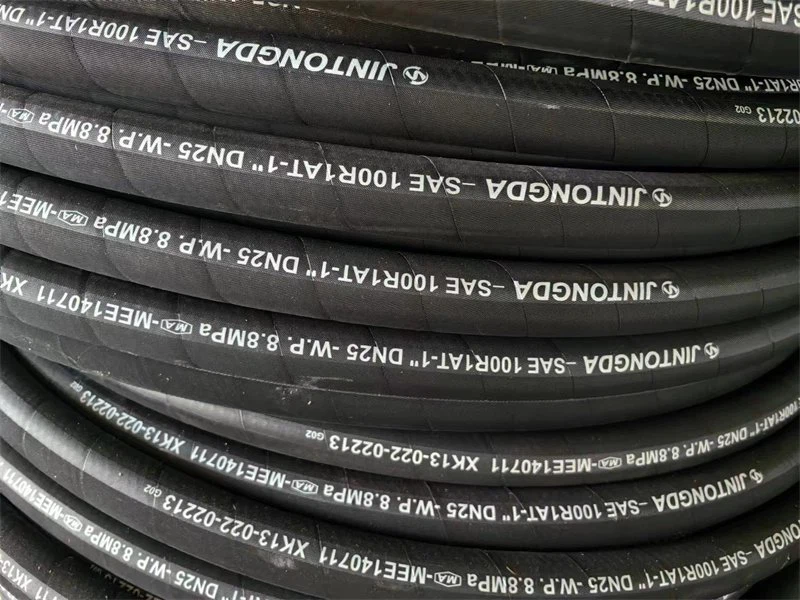

If you're in the market for Rubber Hose 1SN or any of our other products, or if you have questions about the repair methods I've discussed, don't hesitate to reach out for a purchase negotiation. We're always here to help you find the right solutions for your needs.
References
- Hydraulic Hose Handbook, various industry manufacturers.
- Rubber Hose Maintenance Guides, available from industry associations.