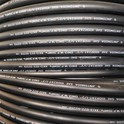
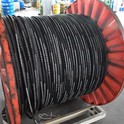
As a supplier of rubber engine hoses, I've witnessed firsthand the crucial role these components play in the smooth operation of engines. Over the years, I've encountered numerous situations where engine failures were traced back to failing rubber hoses. In this blog post, I'll share the signs that indicate a rubber engine hose is on the verge of failure, helping you identify and address issues before they lead to more significant problems.
Visual Inspection
One of the simplest ways to detect a failing rubber engine hose is through a visual inspection. Regularly checking your hoses can help you catch early signs of wear and tear.
Cracks and Splits
Cracks and splits are perhaps the most obvious signs of a failing rubber hose. These can occur due to a variety of factors, including age, exposure to high temperatures, and chemical damage. Cracks can start small and gradually grow over time, eventually leading to a complete rupture of the hose. Look for any visible cracks on the surface of the hose, especially around the bends and connections. Even small cracks can allow coolant or other fluids to leak out, which can lead to engine overheating or other problems.

Bulges and Blisters
Bulges and blisters on the surface of the hose are another sign of potential failure. These can be caused by internal pressure build-up, which can weaken the hose and eventually cause it to burst. Bulges and blisters can also be a sign of chemical damage or improper installation. If you notice any bulges or blisters on a hose, it's important to replace it immediately to avoid a catastrophic failure.
Discoloration
Discoloration of the rubber hose can indicate that it's being exposed to excessive heat or chemicals. Over time, the rubber can break down and lose its elasticity, making it more prone to cracking and splitting. Look for any areas of the hose that have turned brown, black, or brittle. If you notice significant discoloration, it's a good idea to replace the hose to prevent further damage.
Abrasion
Abrasion occurs when the hose rubs against other components in the engine compartment. This can cause the outer layer of the hose to wear away, exposing the inner layers and making the hose more vulnerable to damage. Look for any signs of abrasion, such as frayed or worn areas on the hose. If you notice abrasion, you may need to install protective sleeves or reposition the hose to prevent further damage.
Performance Issues
In addition to visual signs, there are also several performance issues that can indicate a failing rubber engine hose.
Leaks
Leaks are one of the most common signs of a failing rubber hose. If you notice any puddles of coolant or other fluids under your vehicle, it's likely that you have a leaky hose. Leaks can occur at the connections, along the length of the hose, or at the point where the hose is attached to the engine. Even small leaks can lead to significant problems over time, so it's important to address them as soon as possible.
Loss of Pressure
A loss of pressure in the cooling system or other fluid systems can also be a sign of a failing rubber hose. If you notice that your engine is running hotter than normal or that the fluid levels are dropping rapidly, it could be due to a loss of pressure in the system. A failing hose can cause a decrease in pressure, which can prevent the fluid from circulating properly and lead to overheating or other problems.
Poor Engine Performance
A failing rubber hose can also affect the performance of your engine. If the hose is leaking or not functioning properly, it can cause a decrease in power, acceleration, and fuel efficiency. You may also notice that your engine is running rough or that there are strange noises coming from the engine compartment. If you experience any of these symptoms, it's important to have your vehicle inspected by a professional mechanic to determine the cause of the problem.
Maintenance and Replacement
Regular maintenance is key to preventing rubber engine hose failures. Here are some tips to help you keep your hoses in good condition:
Inspect Your Hoses Regularly
As mentioned earlier, regular visual inspections are essential for detecting early signs of wear and tear. Check your hoses at least once a month or more frequently if you drive in harsh conditions. Look for any cracks, bulges, discoloration, or abrasion, and replace any hoses that show signs of damage.
Replace Your Hoses at the Recommended Intervals
Most manufacturers recommend replacing rubber engine hoses every 4-6 years or every 60,000-100,000 miles, depending on the type of vehicle and the conditions in which it's driven. However, it's important to follow the specific recommendations in your vehicle's owner's manual. Replacing your hoses at the recommended intervals can help prevent unexpected failures and keep your engine running smoothly.
Use High-Quality Hoses
When replacing your rubber engine hoses, it's important to use high-quality hoses that are designed for your specific vehicle. Using low-quality hoses can increase the risk of failure and may not provide the same level of performance and durability as OEM (original equipment manufacturer) hoses. Look for hoses that are made from high-quality materials and meet or exceed the specifications of your vehicle.
Install Hoses Properly
Proper installation is also crucial for the performance and longevity of your rubber engine hoses. Make sure that the hoses are the correct length and size for your vehicle and that they are installed in the correct position. Use the appropriate clamps and connectors to secure the hoses in place, and make sure that they are tightened to the correct torque specification. Improper installation can cause leaks, damage to the hoses, and other problems.
Our Products
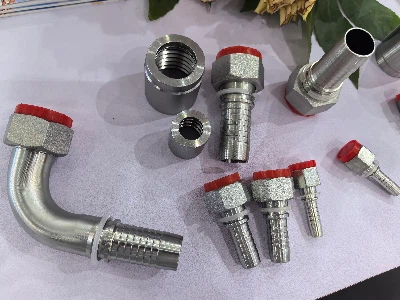
At our company, we offer a wide range of high-quality rubber engine hoses to meet the needs of our customers. Our hoses are made from the finest materials and are designed to provide reliable performance and durability. We offer a variety of hoses, including Rubber Hose Pipe for Hot Water, Rubber Pipe For Water, and RUBBER Hose SAE J517. Whether you need a replacement hose for your car, truck, or other vehicle, we have the right product for you.
If you're experiencing any of the signs of a failing rubber engine hose or if you're looking to replace your hoses as part of your regular maintenance, we encourage you to contact us. Our team of experts can help you choose the right hoses for your vehicle and provide you with the information and support you need to ensure a successful installation. We're committed to providing our customers with the highest level of service and quality products, and we look forward to working with you.
References
- Automotive Service Excellence (ASE). "Automotive Maintenance and Light Repair Study Guide." ASE, 2023.
- Chilton's Automotive Repair Manuals. Various editions.
- Your vehicle's owner's manual.