Yo, folks! As a supplier of rubber hoses, I often get asked about the colors available for these bad boys. Well, you're in luck because I'm here to spill the beans on all the different hues you can find in the world of rubber hoses.
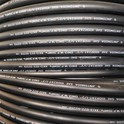
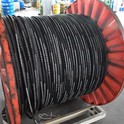
Let's start with the basics. The most common color for rubber hoses is black. It's like the classic little black dress of the hose world - it goes with everything and is super practical. Black rubber hoses are popular for a bunch of reasons. First off, they're great at hiding dirt and grime. If you're using your hose in a messy environment, like a construction site or a farm, you won't have to worry about it looking dirty all the time.
Another reason black is so common is that it's very durable. The pigments used to make black rubber hoses are often more stable, which means the hose is less likely to fade or break down over time. This makes it a reliable choice for long - term use. You can check out some great black rubber hoses at Rubber Hose Princess Auto. They've got a wide selection that's sure to meet your needs.
But black isn't the only game in town. You can also find rubber hoses in red. Red hoses are often used in situations where visibility is key. For example, in fire departments, red hoses are a staple. They're easy to spot in an emergency, whether it's a big fire or a rescue operation. Red hoses can also be used in industrial settings where quick identification is necessary. If you're working in a factory with lots of hoses running everywhere, a red hose can stand out and make it easier to find the one you need. And if you're looking for a red Rubber Engine Hose, we've got some high - quality options that are built to last.
Next up is blue. Blue rubber hoses are commonly used for water applications. They're often seen in plumbing systems, both in residential and commercial buildings. The blue color can signify that the hose is meant for transporting clean water. It's a reassuring color, letting you know that the water flowing through the hose is safe and clean. Blue hoses can also be used in some agricultural settings for irrigation purposes. They're flexible and can handle the pressure of water flow, making them a great choice for watering crops.
Yellow is another color you might come across. Yellow rubber hoses are often used for air applications. In pneumatic systems, where compressed air is used to power tools and machinery, yellow hoses are a common sight. The bright yellow color makes it easy to see the hose, even in dimly lit areas. It also helps to prevent tripping hazards, as people can easily spot the hose on the floor. And if you're in the market for a yellow RUBBER Hose SAE J517, we've got a variety of sizes and specifications to choose from.


Green rubber hoses are often used in environmental or gardening applications. They blend in well with the natural surroundings, making them a good choice for outdoor use. You might see green hoses in a garden for watering plants or in a park for maintaining the lawn. They're also sometimes used in some industrial processes where the hose needs to be less obtrusive.
Now, besides these standard colors, there are also custom - colored rubber hoses available. If you have a specific branding or identification need, you can get a rubber hose made in a custom color. For example, if your company has a unique logo color, you can have a rubber hose made in that exact shade. This can be a great way to add a personal touch to your equipment and make it stand out.
When it comes to choosing the right color for your rubber hose, there are a few things to consider. First, think about the application. If you need a hose for a high - visibility situation, like a fire department or an industrial setting, a bright color like red or yellow might be the way to go. If you're using the hose for water or air transport, the standard blue or yellow colors associated with those applications are a good choice.
Durability is also important. Some colors might be more prone to fading or damage than others. As I mentioned earlier, black is generally a very durable color, but you'll want to make sure that whatever color you choose can withstand the conditions it will be exposed to.
Cost can also be a factor. Custom - colored hoses might be more expensive than standard colors because of the additional manufacturing processes involved. So, you'll need to weigh the benefits of having a custom color against the extra cost.
In conclusion, there's a wide range of colors available for rubber hoses, each with its own unique benefits and uses. Whether you need a black hose for its durability, a red hose for visibility, or a custom - colored hose for branding, we've got you covered. If you're interested in purchasing rubber hoses or have any questions about the colors and applications, don't hesitate to reach out. We're here to help you find the perfect hose for your needs.
References
- General knowledge of rubber hose industry practices and applications.
- Product specifications and marketing materials related to rubber hoses.